

Jetboil Stash Stove Review
Planning an adventure? Check out our popular trail guides! 4.8 stars (17K+ ratings)


Jetboil Stash Stove Review
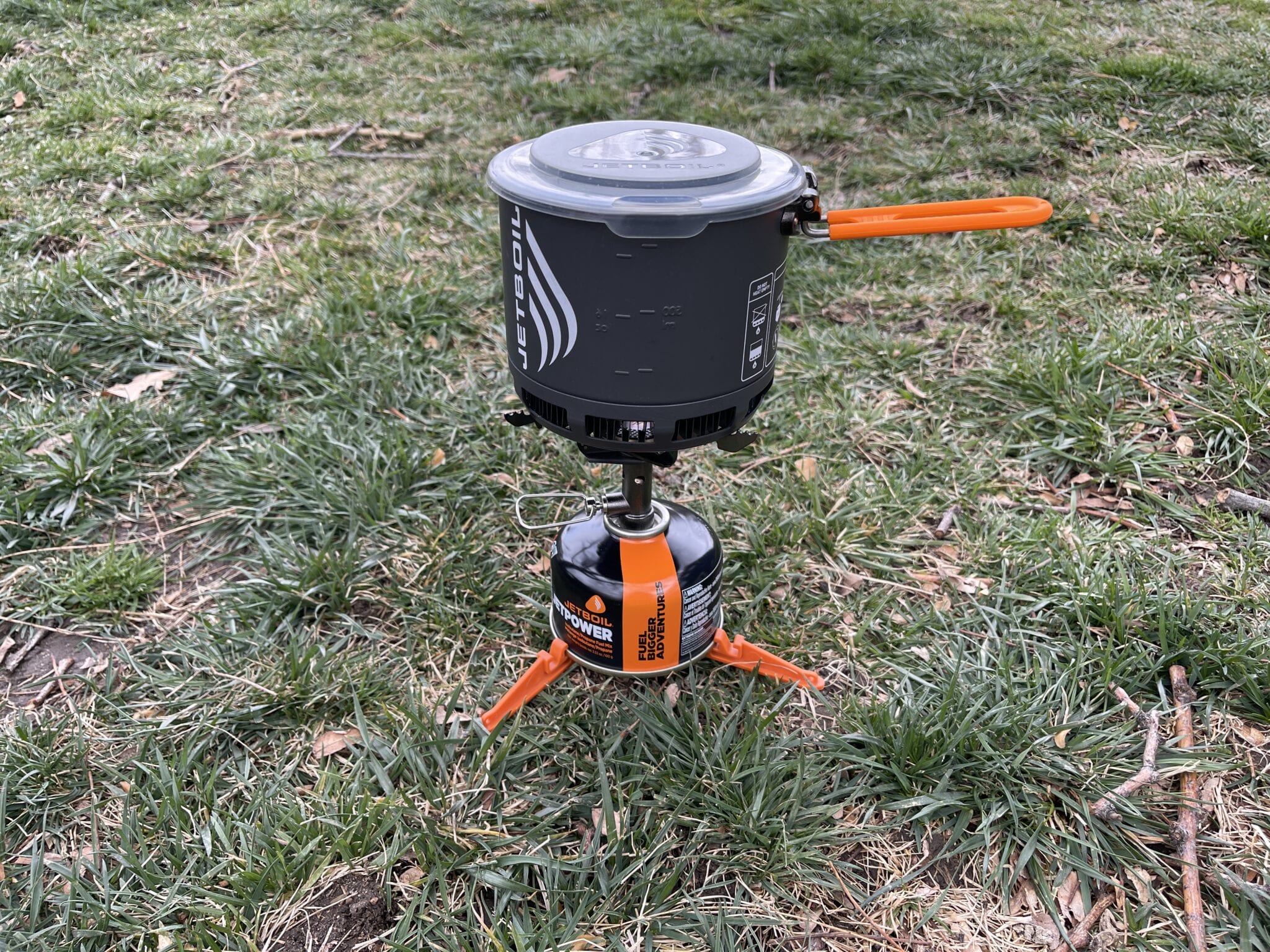
We tested the newly released Jetboil Stash backpacking stove and this is what we found.
Paul Bodnar Educational 4/26/2021
Educational
4/26/2021
Jetboil Stash stove system: $129.95
Stash 0.8-liter aluminum pot with FluxRing 131 grams
Stash plastic pot lid 16 grams
Stash titanium stove 59 grams
Stash stove carrying case 6 grams
Fuel canister stabilizer 26 grams
Total Weight 238 grams
Total Weight, without stabilizer and stove case 206 grams (7.3 ounces)

**We purchased all items and were not solicited to review any item in this blog post.
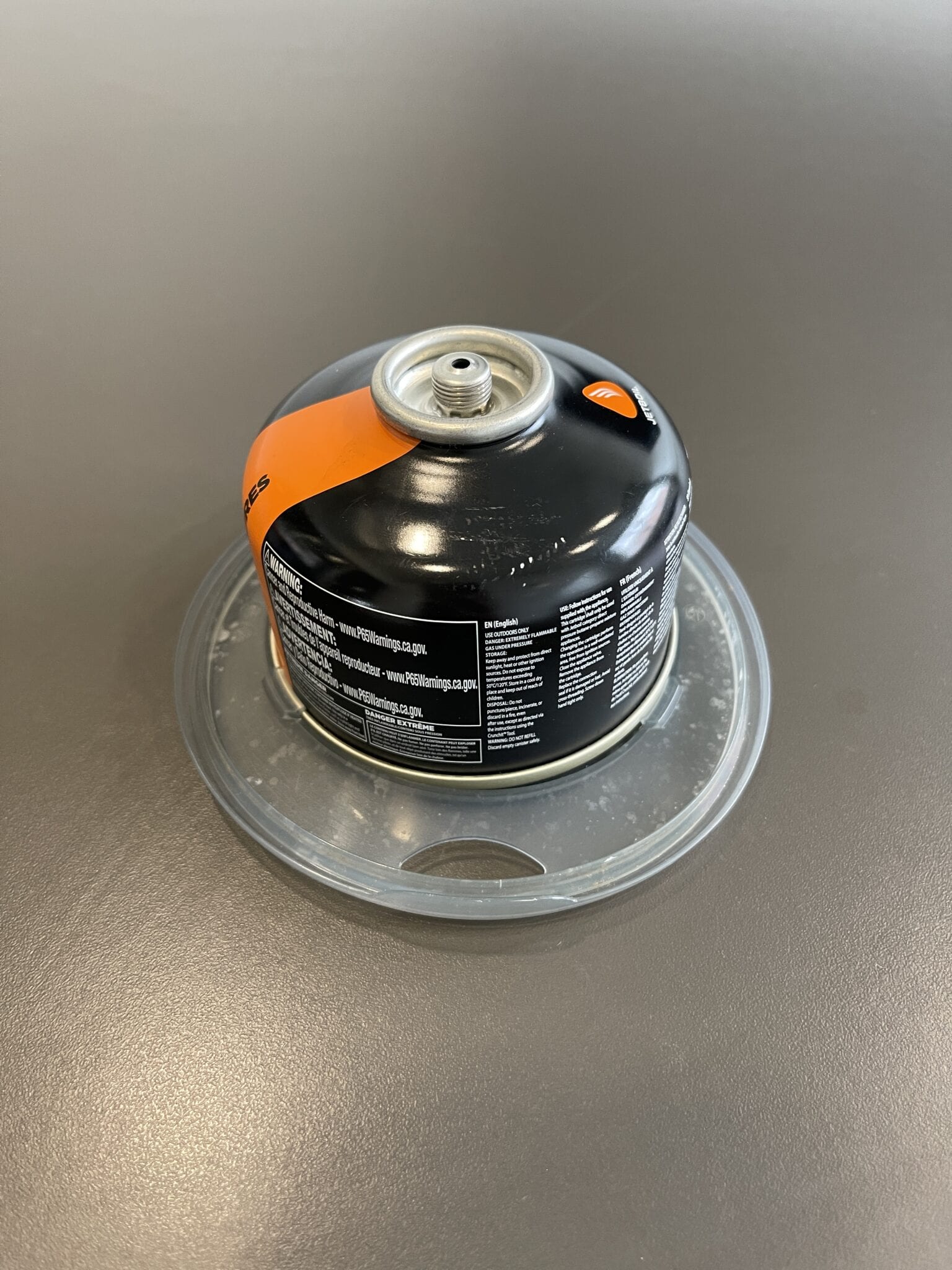
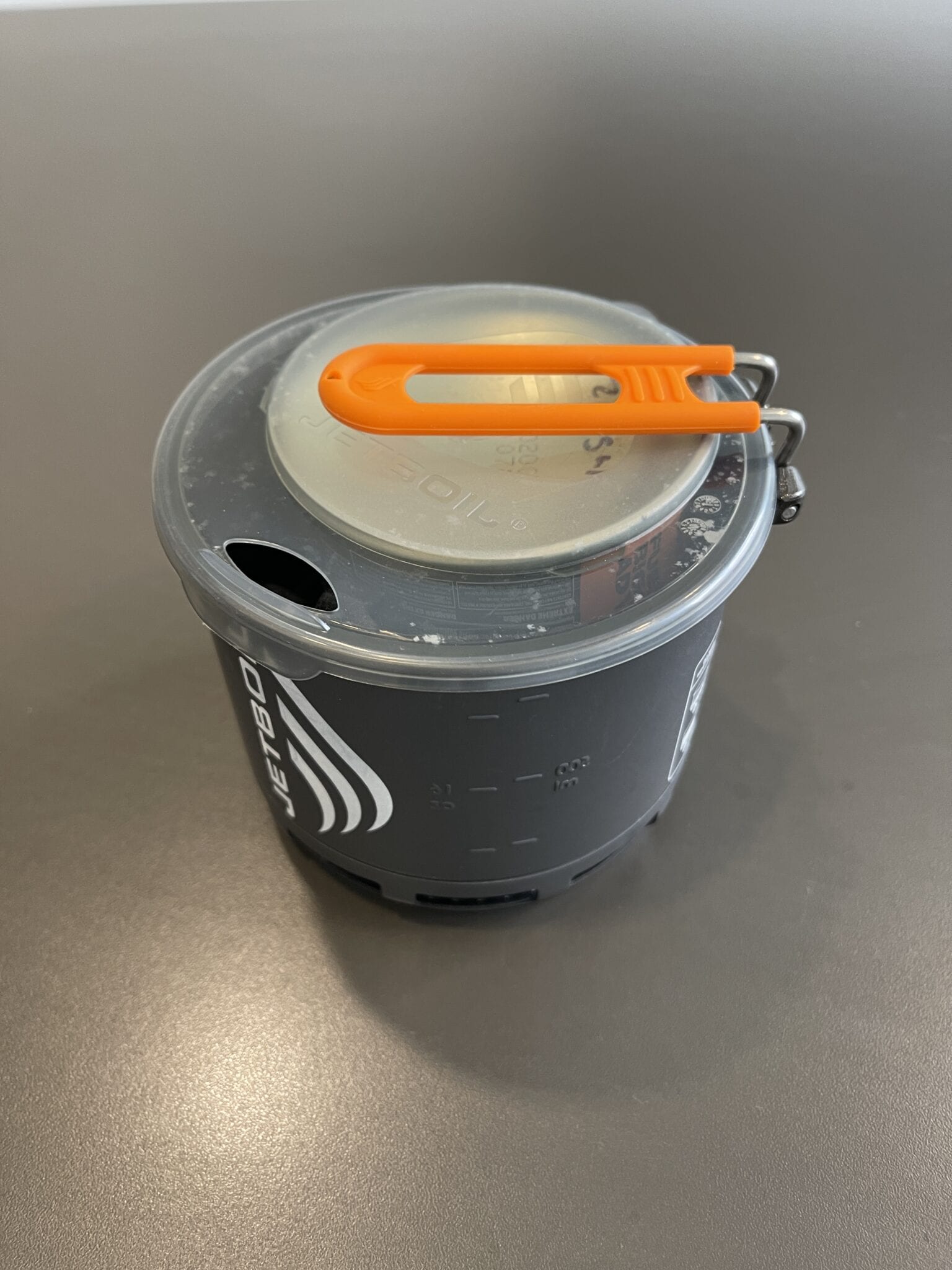
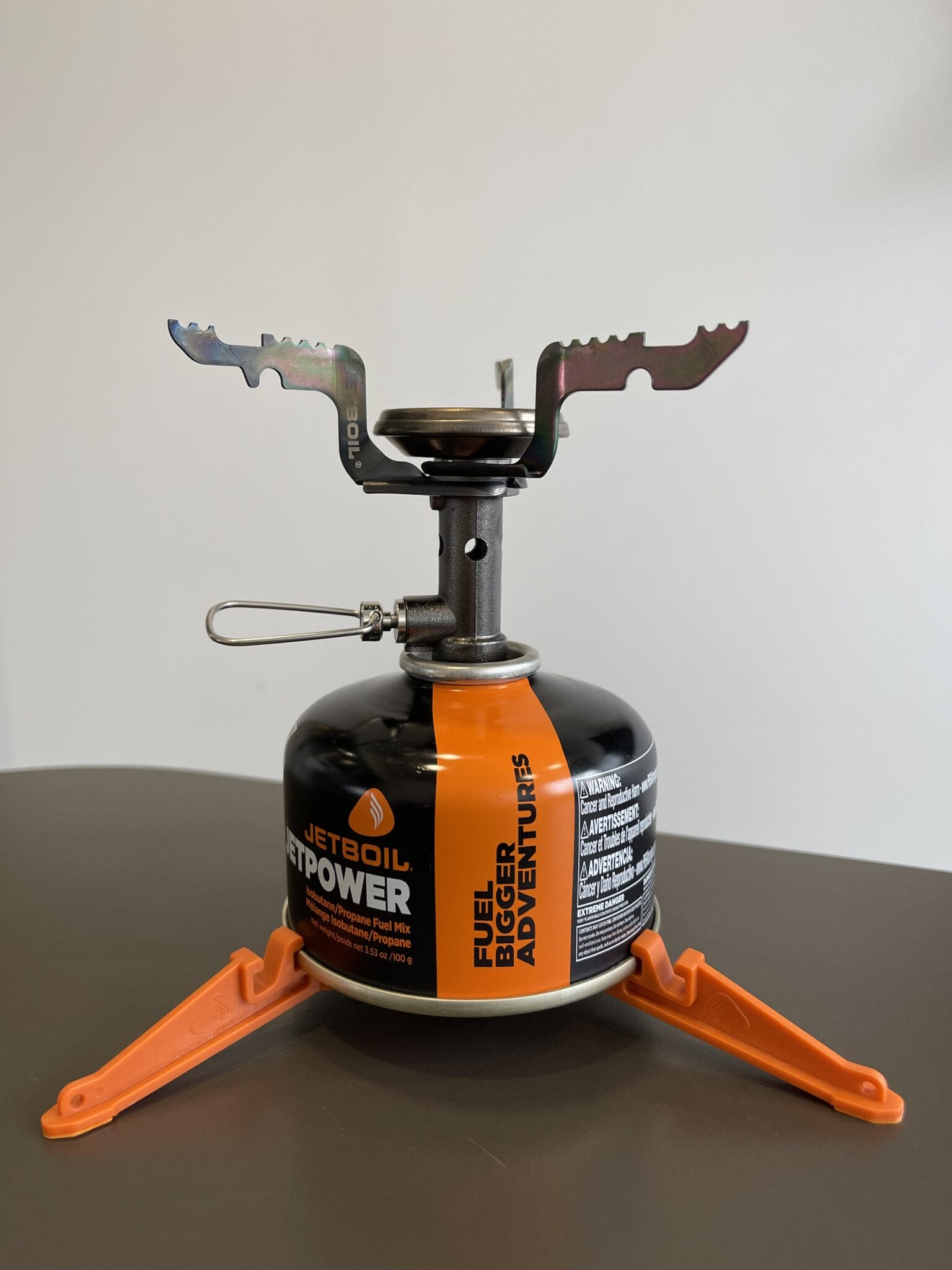
The new Jetboil Stash stove system is compact and relatively lightweight (238 grams). Jetboil accomplished this by reducing the weight of the stove, lid, and pot. By addressing all three of these areas Jetboil effectively reduced the weight without compromising performance.
The three prong stove weighs just 59 grams because the burner cup is made from lightweight titanium. To save weight Jetboil did not include a push start ignitor or a fuel regulator. Simmer control is not as good as other backpacking stoves but still functions. The stove puts out a maximum flow rate of about 1.9 grams of fuel a minute which is about half the flow rate of the average lightweight backpacking stove. The low fuel flow rate increases boil time but optimizes fuel efficiency.
The plastic pot lid is only 16 grams which is about half the weight of a similar titanium lid. The plastic lid also has a nice pour spout which makes it easy to pour water. The lid is also designed to securely hold a 100 gram fuel canister and a BIC Mini lighter.
The 0.8-liter pot (actually measured closer to 0.9-liters) is formed from thin hard anodized aluminum and weighs just 131 grams. About 30% of the pot weight comes from the FluxRing (estimated 40 grams) permanently attached to the bottom. The pot is marked with 0.25 liter and 1 cup increments making measuring water easy. The pot should always be used with liquid inside the pot so the pot doesn’t overheat and damage the FluxRing. The pot securely fits into place on specific grooves on the three prong stove support. However, the pot does not lock on the stove support. The silicone covered handle keeps the handle cool and also folds over the lid securing everything in place.
The Jetboil Stash system which includes stove and aluminum pot retails for $129.95.
Just 3.6 grams of fuel to boil 2-cups of water
The new Jetboil Stash stove boils water like a champ without using much fuel. Jetboil made this possible by optimizing the low stove fuel flow rate of around 1.9 grams per minute with the specially designed FluxRing aluminum pot. The low fuel flow rate on the Stash stove keeps the flame centered under the pot and more contained by the FluxRing. A larger flame would escape the FluxRing and reduce the overall fuel efficiency. Our tests showed you can boil 2-cups of 72°F water at 5,280 feet in 1:55 with just 3.6 grams of fuel. This is about half the fuel consumption used in most lightweight backpacking stoves. This means a 100-gram fuel canister could yield about 27 two cup boils under the most ideal cooking conditions. Which closely agrees with Jetboil estimate of 24 two cup boils from a 100-gram canister.

Stash stove fuel efficiency comes from the Jetboil FluxRing and low fuel flow rate
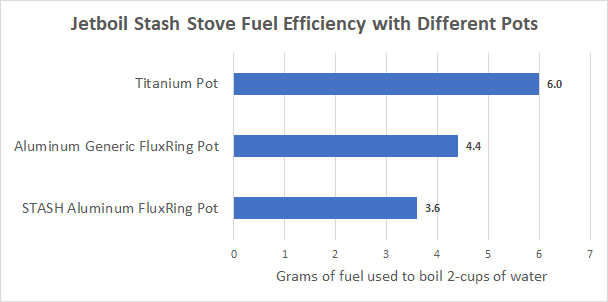
The Stash 0.8-liter FluxRing aluminum pot weighs in at 147 grams with lid. The pot weight is 41 grams heavier than the same sized titanium pot and lid. The heavier Jetboil Stash pot is due to the weight of the FluxRing located on the bottom of the pot. The Stash stove makes it easy to switch from using the Stash aluminum FluxRing pot to any other standard cooking pot. However, when not using the Stash aluminum FluxRing pot the fuel efficiency plummets. The time to boil 2-cups of water with the same sized titanium pot was 3:08 and used 6.0 grams of fuel. Switching to the titanium pot increased cooking time and fuel consumption by about 63%. When using a generic aluminum pot with a similar FluxRing the boil time was 2:18 and used 4.4 grams of fuel. Switching from the Stash aluminum pot with FluxRing to a generic copy reduced fuel efficiency and increased boil times by 20%. The Jetboil Stash low fuel flowing stove is optimized for use with the included Stash aluminum pot with FluxRing.
The Jetboil Stash system performed well in the wind
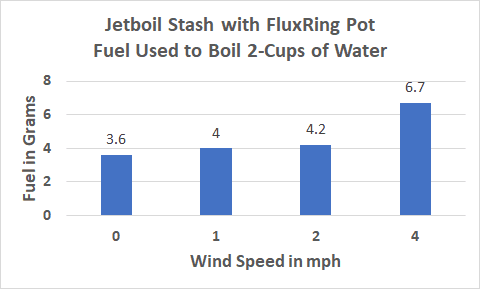
The Jetboil Stash system was tested in 0, 1, 2 and 4 mph simulated wind speeds. It performed remarkably well when used with included FluxRing aluminum pot. Even in a simulated wind speed of 4 mph the stove boiled water in 3:32 and only used only 6.7 grams of fuel. The Jetboil FluxRing on the aluminum pot provided better than expected wind protection. The Jetboil Stash system burned on average less than half the fuel in the wind than other popular backpacking stoves.
Other backpacking stove systems are lighter
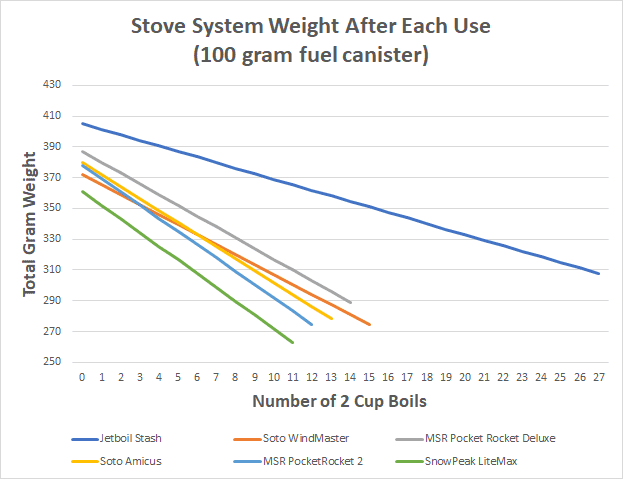
The Jetboil Stash system is heavier than other lightweight backpacking stove systems. This is because the Jetboil Stash system includes a FluxRing that adds about 40 grams of weight to the bottom of the cooking pot. This extra weight makes it heavier than all the other ultralight stoves tested. Because of this fact it is often overlooked as a stove of choice for long-distance backpacking. If you are hiking where it is easy to resupply every few days and don’t plan on running out of fuel when using a 100 gram fuel canister, then the lighter and less fuel-efficient stoves might be the better choice.
Below is a weight comparison of the Jetboil Stash stove system with five popular lightweight stoves using a titanium pot. All stoves were compared using a 100-gram fuel canister.
Under some conditions the Jetboil Stash stove system is the lightest choice
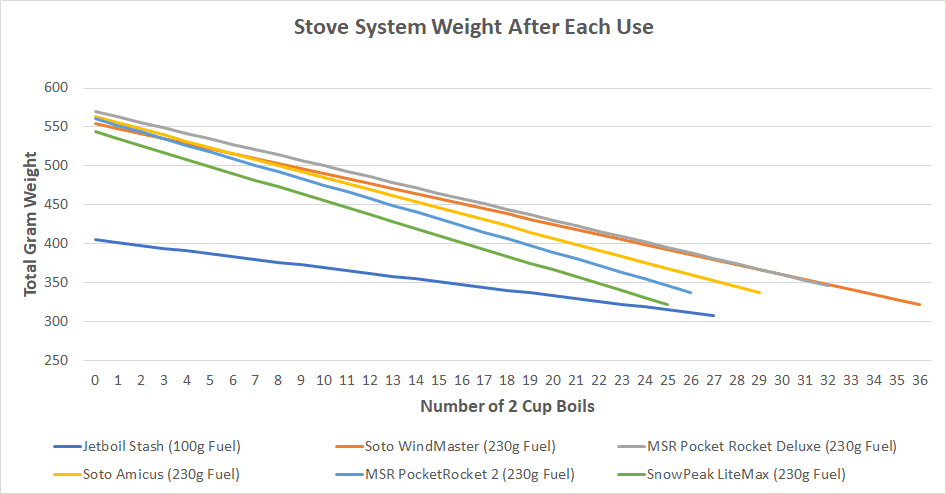
The utility of the Jetboil Stash system becomes clear if you must carry a larger 230-gram fuel canister with your lightweight stove. The graph below illustrates how the Jetboil Stash with a 100-gram fuel canister is significantly lighter than other lightweight stoves with a 230-gram canister. Under these conditions it makes sense to consider the fuel efficient and lighter Jetboil Stash system.
Summary
Pros
- Extremely fuel efficient when boiling water
- Better performance in the wind compared to other stoves
- Compact design and very little rattle
Cons
- Designed to boil just water
- Higher cost than other stoves
- Slightly heavier than other backpacking stoves systems
Jetboil is known for their fuel efficient stove systems using the FluxRing technology. They are also know for being heavy cooking systems when compared to other lightweight backpacking stoves. The new Jetboil Stash stove system addresses this earlier weight problem and now provides a lighter alternative without making big compromises on performance. The value in the fuel efficient Jetboil Stash stove system becomes apparent when you plan on boiling a lot of water between resupplies. This is because most ultralight stoves are limited to a maximum of fifteen 2-cup boils on a small 100-gram fuel canister. The Jetboil Stash can boil almost twice as much water or around twenty seven 2-cup boils using a 100-gram fuel canister. So if you need to boil a lot of water between resupplies and want to avoid carrying the heavier 230-gram fuel canister then the Jetboil Stash stove system can be a better lightweight option.
Note: All these tests were conducted in a controlled environment. I plan on testing the Jetboil Stash stove system on a 210+ mile John Muir Trail hike this summer. I will take one 100-gram fuel canister and report back with the results!
**We purchased all items and were not solicited to review any item in this blog post.
Read more!
Check out some related blog posts!

Download our popular hiking and biking guides!


Trail guides that get you to places you’ve dreamed of.
As the makers of Guthook Guides, Bikepacking Guides, and Cyclewayz, we help you navigate the most popular trails around the world on your smartphone. Our hiking guides and biking guides work completely offline. Let Guthook guide your next adventure!
Showers Lake Vista, Tahoe Rim Trail
Photo courtesy of the Tahoe Rim Trail Association

Showers Lake Vista, Tahoe Rim Trail
Photo courtesy of the Tahoe Rim Trail Association
Trail guides that get you to places you’ve dreamed of.
As the makers of Guthook Guides, Bikepacking Guides, and Cyclewayz, we help you navigate the most popular trails around the world on your smartphone. Our hiking guides and biking guides work completely offline. Let Guthook guide your next adventure!
Download our popular hiking and biking guides!
About the Author

Paul Bodnar
Paul has always liked hiking and thru-hiked the Pacific Crest Trail in 1997 after college. After years of working in chemistry, he wanted to create a career involving the outdoors, so he hiked the PCT again in 2010 to do research for his guide book, Pocket PCT. He realized that creating a smartphone app for navigating the outdoors would make it easier to keep the data current and provide a better way to navigate. While hiking with Ryan (aka Guthook) in 2010, they decided to work together to create the first comprehensive smartphone guide for the PCT.

What is the Best Lighter for Your Thru-Hike?
Planning an adventure? Check out our popular trail guides! 4.8 stars (17K+ ratings)
What is the Best Lighter for Your Thru-Hike?
We tested three of the most popular disposable lighters based on cost, weight, packed dimensions, and number of lights. Find out which one was rated the best.
Paul Bodnar Gear Review 4/28/2021
Paul Bodnar
Gear Review
4/28/2021
You’re going on an epic 6-month hike and have decided to carry a lighter to light your stove. What lighter should you choose?
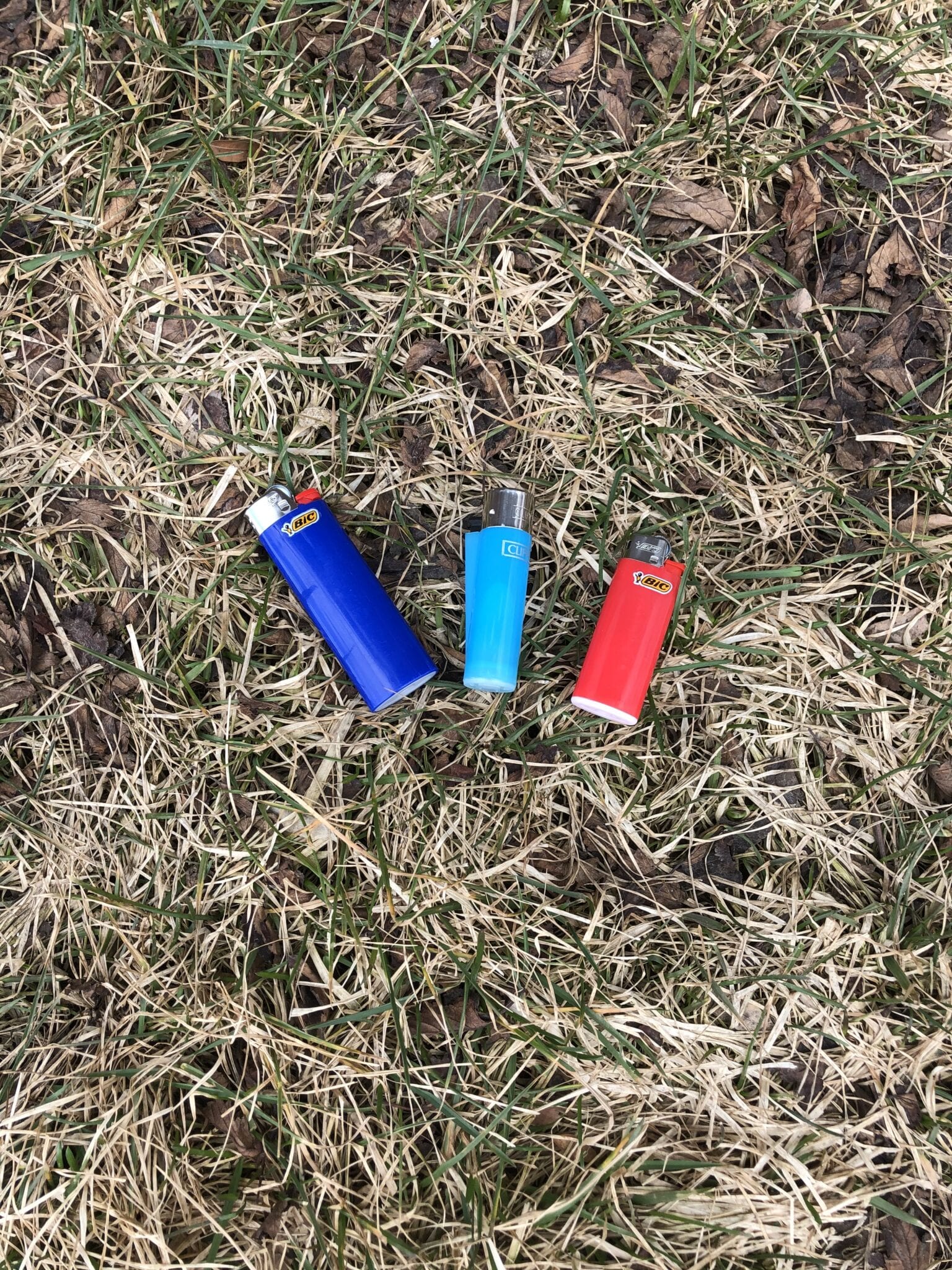
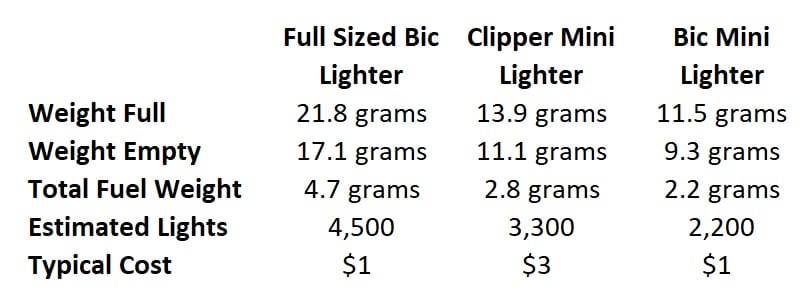
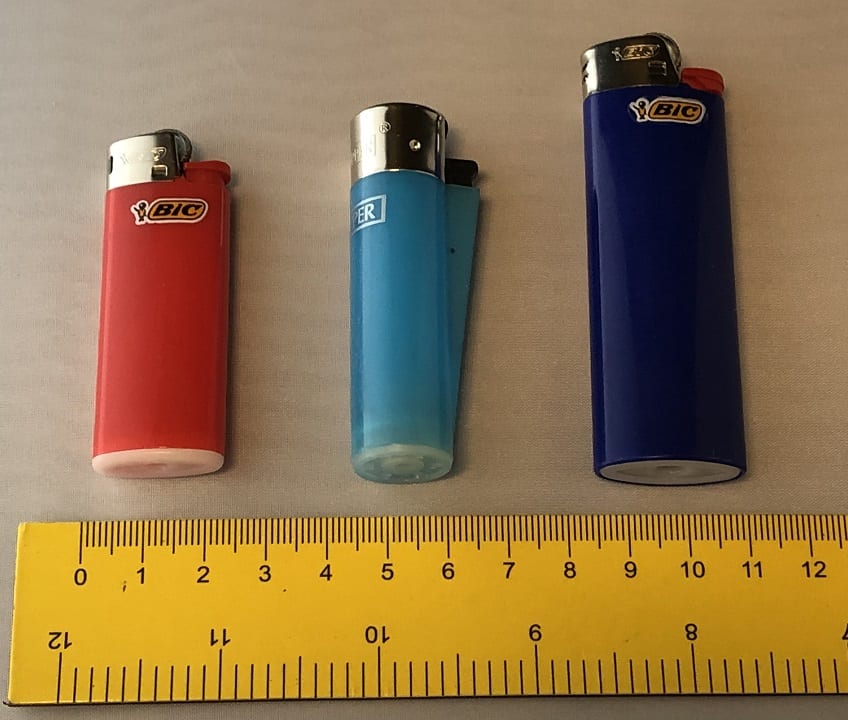
We compared a BIC full-sized lighter, a BIC Mini lighter, and a Clipper Mini lighter. The BIC Mini lighter was the clear winner for a United States-based hike, because it was the lightest, most affordable, most compact, and widely available. The Clipper Mini came in second because of the higher cost, heavier weight, slightly larger dimensions, and lack of availability in the United States. But if you are hiking in Europe, the Clipper Mini is a great choice.
Read more!
Check out some related blog posts!
Download our popular hiking and biking guides!
Trail guides that get you to places you’ve dreamed of.
As the makers of Guthook Guides, Bikepacking Guides, and Cyclewayz, we help you navigate the most popular trails around the world on your smartphone. Our hiking guides and biking guides work completely offline. Let Guthook guide your next adventure!
Showers Lake Vista, Tahoe Rim Trail
Photo courtesy of the Tahoe Rim Trail Association
Showers Lake Vista, Tahoe Rim Trail
Photo courtesy of the Tahoe Rim Trail Association
Trail guides that get you to places you’ve dreamed of.
As the makers of Guthook Guides, Bikepacking Guides, and Cyclewayz, we help you navigate the most popular trails around the world on your smartphone. Our hiking guides and biking guides work completely offline. Let Guthook guide your next adventure!
Download our popular hiking and biking guides!
About the Author
Paul Bodnar
Paul has always liked hiking and thru-hiked the Pacific Crest Trail in 1997 after college. After years of working in chemistry, he wanted to create a career involving the outdoors, so he hiked the PCT again in 2010 to do research for his guide book, Pocket PCT. He realized that creating a smartphone app for navigating the outdoors would make it easier to keep the data current and provide a better way to navigate. While hiking with Ryan (aka Guthook) in 2010, they decided to work together to create the first comprehensive smartphone guide for the PCT.
Will a BIC Full Sized Lighter Last for Your Entire Thru-Hike?
Planning an adventure? Check out our popular trail guides! 4.8 stars (17K+ ratings)
Will a BIC Full Sized Lighter Last for Your Entire Thru-Hike?
The BIC full sized lighter is the most common disposable lighter in the United States. We ran some tests to see how long a BIC full sized lighter would last.
Paul Bodnar Gear Review 4/27/2021
Paul Bodnar
Gear Review
4/27/2021
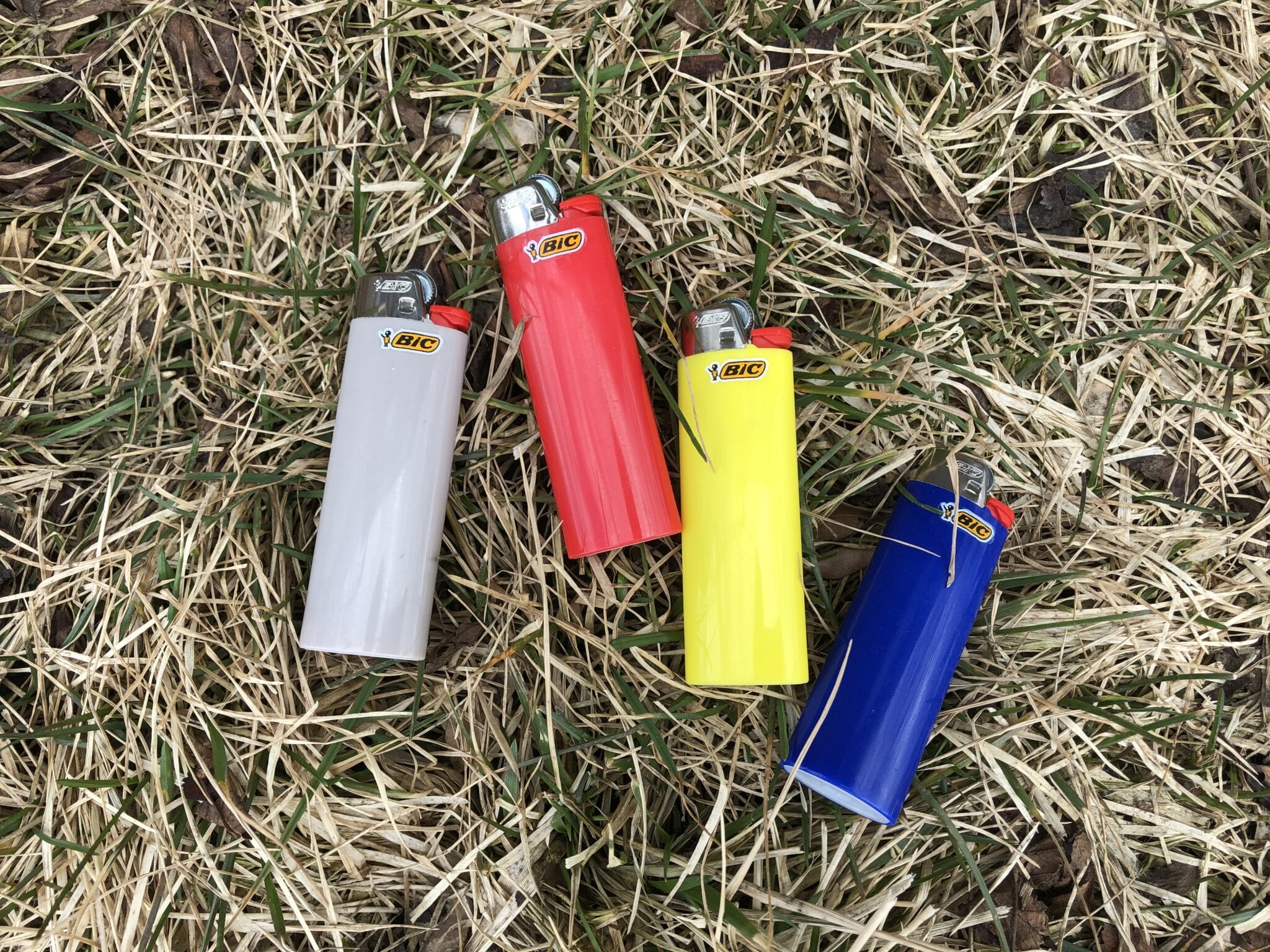
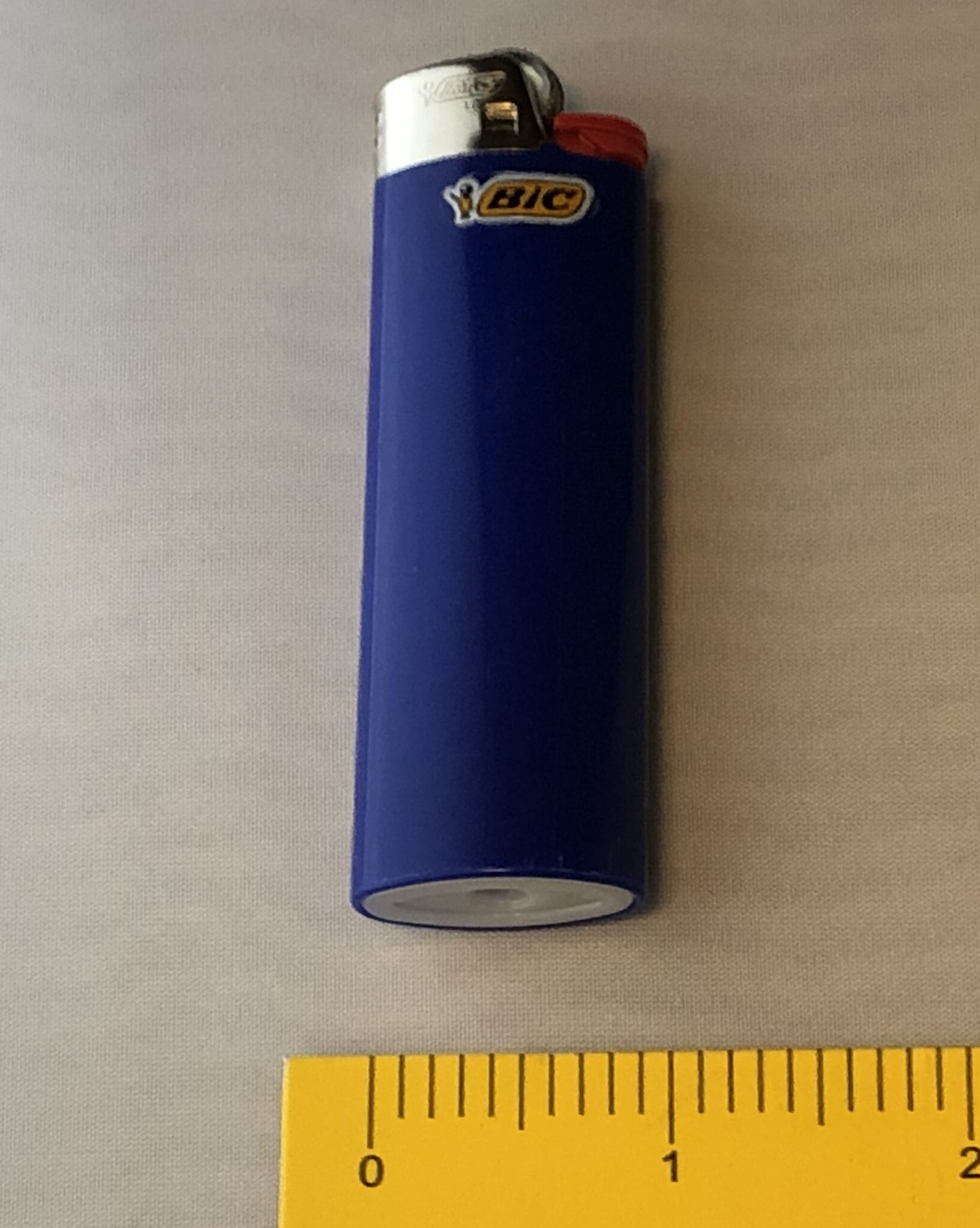
The BIC lighter is a very common lighter in the United States. It is readily available at grocery stores, gas stations and is very reliable. The BIC lighter is about 3 1/4 inches long, 1 inch wide and ½ inch thick and lasts a long time. With normal use a full sized BIC lighter can last two thru-hikes or over 5,000 miles of hiking!
Weight Full: 21.8 grams (0.77 ounces)
Weight Empty: 17.1 grams (0.60 ounces)
Total Fuel Weight: 4.7 grams (0.17 ounces)
Estimated Number of Lights: 4,500
Typical Cost: $1
How long will the BIC full sized lighter last?
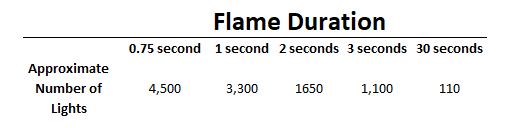
The BIC lighter can provide more than 4,000 lights. However, it really depends on the burn-time of the flame. If you are lighting a stove, you will likely use a 0.75 second flame and burn around 0.001 grams of fuel. This means you have about 4,500 lights from a full sized BIC lighter. However, if you are lighting a campfire, you will probably need at least a 3-second flame, which burns about 0.004 grams of fuel. In this case you will get about 1,100 lights from the BIC lighter. In either case a BIC lighter could easily last a year with limited daily use. From our tests we estimate that a BIC lighter can produce a flame for a total of about 55 minutes. The manufacturer states that the lighter should not stay lit for more than 30 seconds.
How to Estimate Remaining Fuel
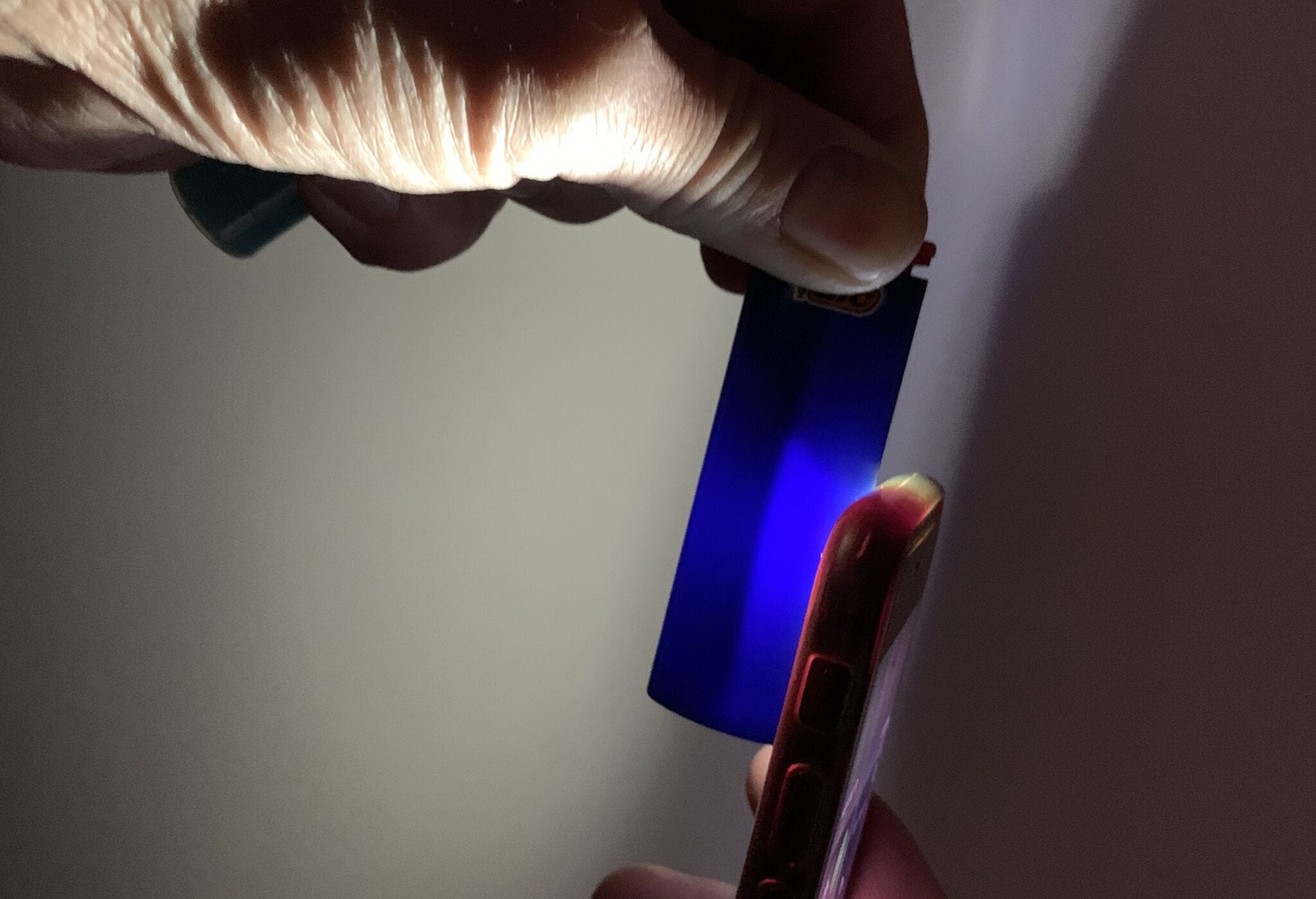
Shine a bright light on the edge of the lighter to illuminate the fuel inside the lighter. Illuminating the lighter in a dark area can make it easier to see the fuel level. Dark colored lighters make it harder to see the fuel level.
Read more!
Check out some related blog posts!
Download our popular hiking and biking guides!
Trail guides that get you to places you’ve dreamed of.
As the makers of Guthook Guides, Bikepacking Guides, and Cyclewayz, we help you navigate the most popular trails around the world on your smartphone. Our hiking guides and biking guides work completely offline. Let Guthook guide your next adventure!
Showers Lake Vista, Tahoe Rim Trail
Photo courtesy of the Tahoe Rim Trail Association
Showers Lake Vista, Tahoe Rim Trail
Photo courtesy of the Tahoe Rim Trail Association
Trail guides that get you to places you’ve dreamed of.
As the makers of Guthook Guides, Bikepacking Guides, and Cyclewayz, we help you navigate the most popular trails around the world on your smartphone. Our hiking guides and biking guides work completely offline. Let Guthook guide your next adventure!
Download our popular hiking and biking guides!
About the Author
Paul Bodnar
Paul has always liked hiking and thru-hiked the Pacific Crest Trail in 1997 after college. After years of working in chemistry, he wanted to create a career involving the outdoors, so he hiked the PCT again in 2010 to do research for his guide book, Pocket PCT. He realized that creating a smartphone app for navigating the outdoors would make it easier to keep the data current and provide a better way to navigate. While hiking with Ryan (aka Guthook) in 2010, they decided to work together to create the first comprehensive smartphone guide for the PCT.
Will a Clipper Mini Lighter Last for Your Entire Thru-Hike?
Planning an adventure? Check out our popular trail guides! 4.8 stars (17K+ ratings)
Will a Clipper Mini Lighter Last for Your Entire Thru-Hike?
The Clipper Mini lighter is a compact, refillable lighter popular in Europe and the UK. We ran some tests to see how long the Clipper Mini lighter would last.
Paul Bodnar Gear Review 3/26/2021
Paul Bodnar
Gear Review
3/26/2021
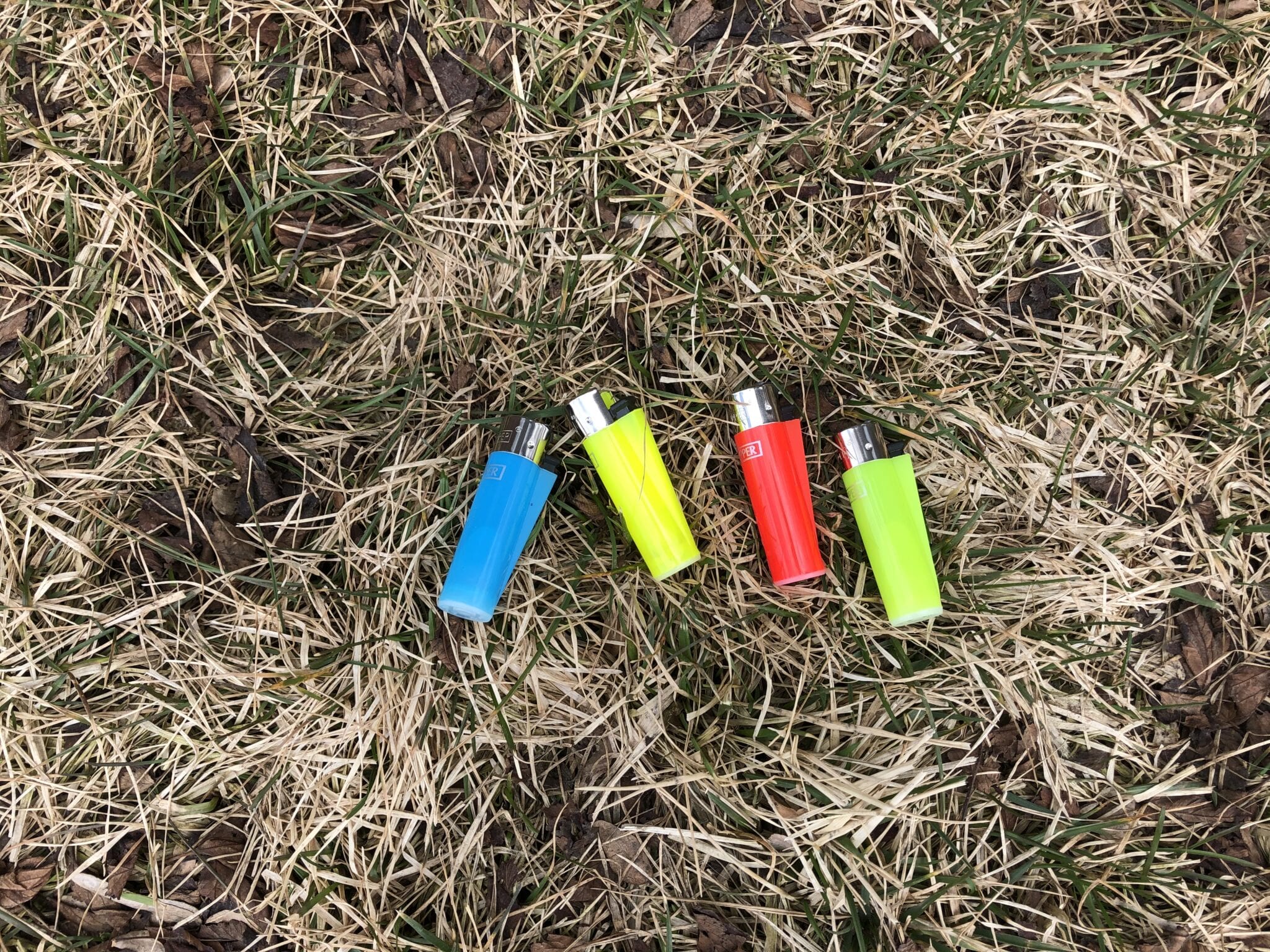
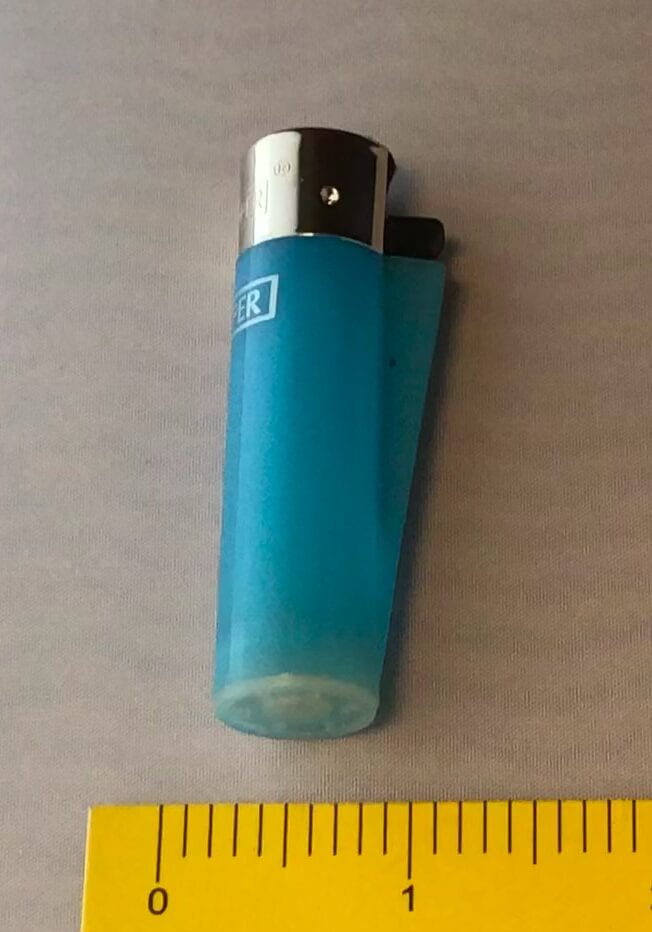
The Clipper Mini lighter is a compact lighter (2 ½ inches long and ⅞ inches wide and about ½ inch thick) just slightly larger than the BIC Mini lighter. It is popular because you can refill the fuel and replace the flint. However, the Clipper Mini lighter is difficult to find in stores in the United States. But it is available online. Based upon my experiments, I conclude that the Clipper Mini can easily last an entire six-month hike.
Weight Full: 13.9 grams (0.49 ounces)
Weight Empty: 11.1 grams (0.39 ounces)
Total Fuel Weight: 2.8 grams (0.10 ounces)
Estimated Number of Lights: 3,300
Typical Cost: $3
How long will the Clipper Mini lighter last?
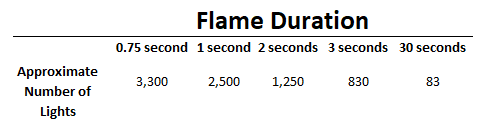
The Clipper Mini lighter can provide more than 3,000 lights but it really depends on the burn-time of the flame. If you only us it to light a stove — a ¾-second flame, which burns about 0.001 grams of fuel — you should get about 3,300 lights. However, if you are lighting a campfire, you will probably need at least a 3-second flame, which burns about 0.003 grams of fuel. In this case you will get about 830 lights. In either case the Clipper Mini lighter should easily last a 6-month hike. From our tests the Clipper Mini can produce a flame for about 40 minutes and burns fuel at a rate of about 0.0011 grams per second. But you should not light a Clipper Mini for more than 30 seconds.
Clipper Mini lighter bonus features
The Clipper Mini lighter is not your normal disposable lighter. You can actually refill the Clipper Mini lighter with butane and replace the flints! Below you can see a picture of the lighter disassembled.
If you plan on refilling the Clipper Mini lighter with butane, make sure the butane refill tip is the correct size. Standard Zippo butane refill tips are not compatible with the Clipper Mini lighter.

How to Estimate Remaining Fuel
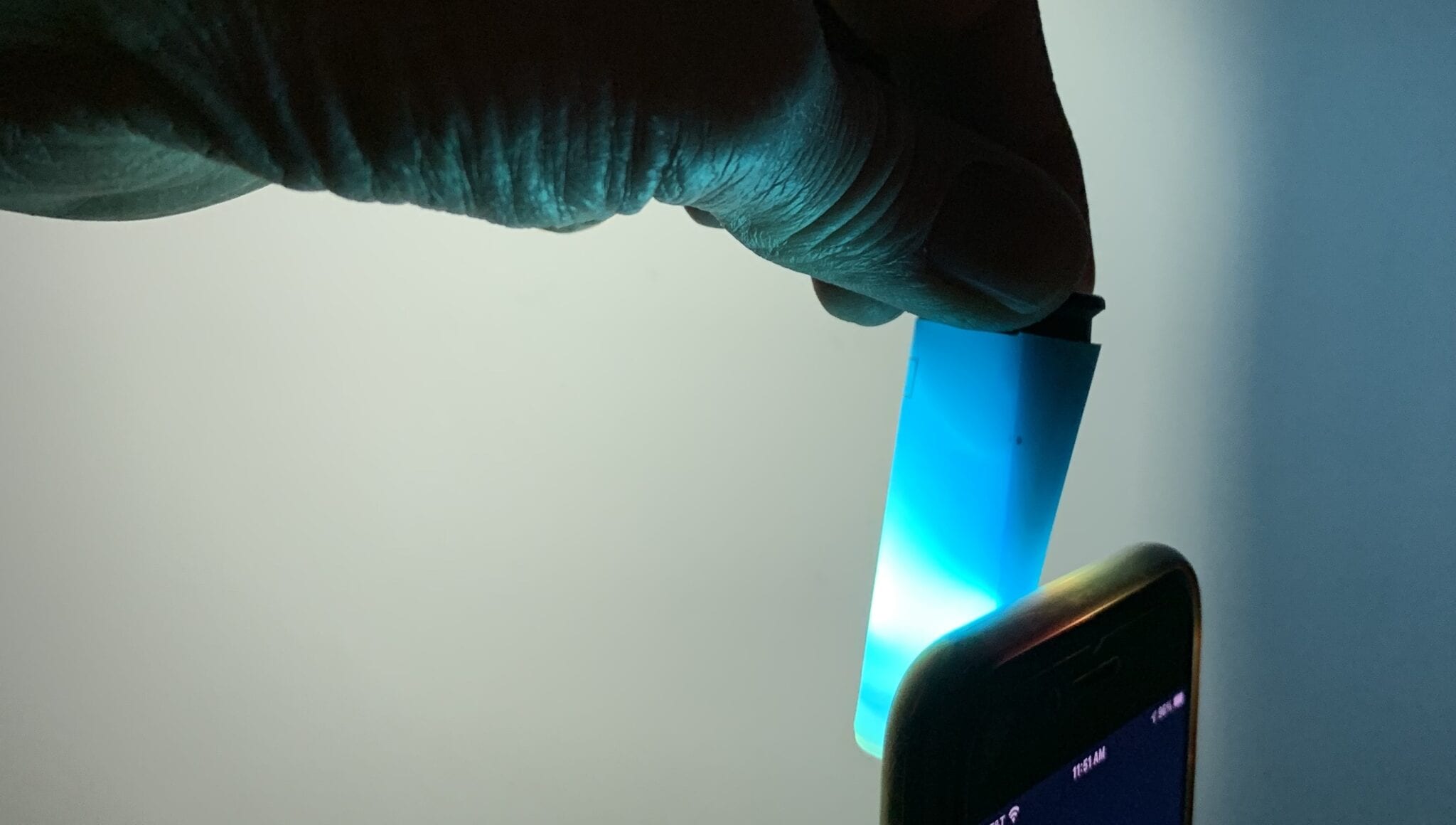
Shine a bright light on the edge of the lighter to illuminate the fuel inside the lighter. Illuminating the lighter in a dark area can make it easier to see the fuel level. It can be difficult to see the fuel level on dark-colored lighters.
Read more!
Check out some related blog posts!
Download our popular hiking and biking guides!
Trail guides that get you to places you’ve dreamed of.
As the makers of Guthook Guides, Bikepacking Guides, and Cyclewayz, we help you navigate the most popular trails around the world on your smartphone. Our hiking guides and biking guides work completely offline. Let Guthook guide your next adventure!
Showers Lake Vista, Tahoe Rim Trail
Photo courtesy of the Tahoe Rim Trail Association
Showers Lake Vista, Tahoe Rim Trail
Photo courtesy of the Tahoe Rim Trail Association
Trail guides that get you to places you’ve dreamed of.
As the makers of Guthook Guides, Bikepacking Guides, and Cyclewayz, we help you navigate the most popular trails around the world on your smartphone. Our hiking guides and biking guides work completely offline. Let Guthook guide your next adventure!
Download our popular hiking and biking guides!
About the Author
Paul Bodnar
Paul has always liked hiking and thru-hiked the Pacific Crest Trail in 1997 after college. After years of working in chemistry, he wanted to create a career involving the outdoors, so he hiked the PCT again in 2010 to do research for his guide book, Pocket PCT. He realized that creating a smartphone app for navigating the outdoors would make it easier to keep the data current and provide a better way to navigate. While hiking with Ryan (aka Guthook) in 2010, they decided to work together to create the first comprehensive smartphone guide for the PCT.

Connecticut River Paddlers' Trail



4.8 ★★★★★ | 17K+ Reviews
Connecticut River Paddlers' Trail
400 miles • Connecticut, Massachusetts, New Hampshire, & Vermont, U.S.
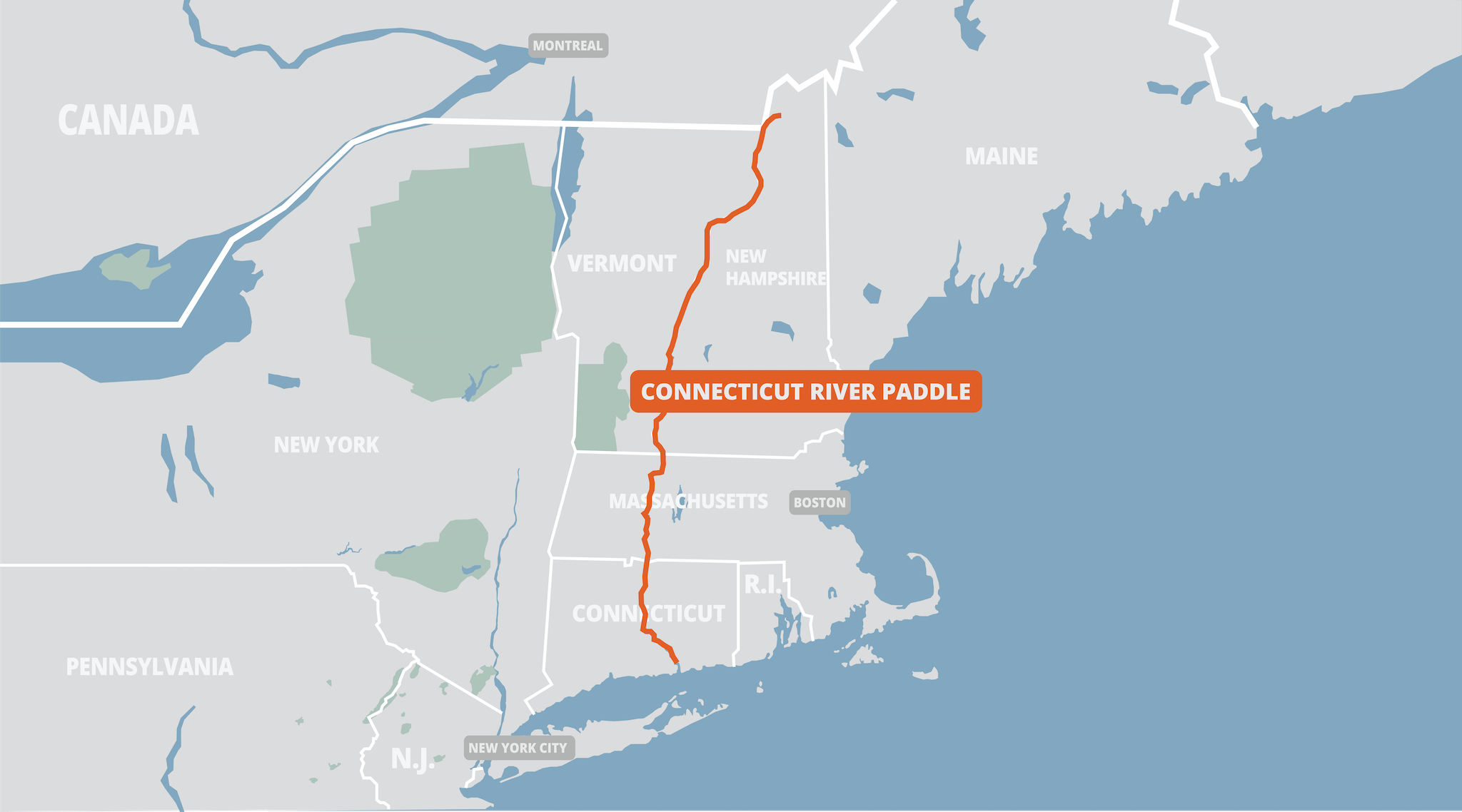
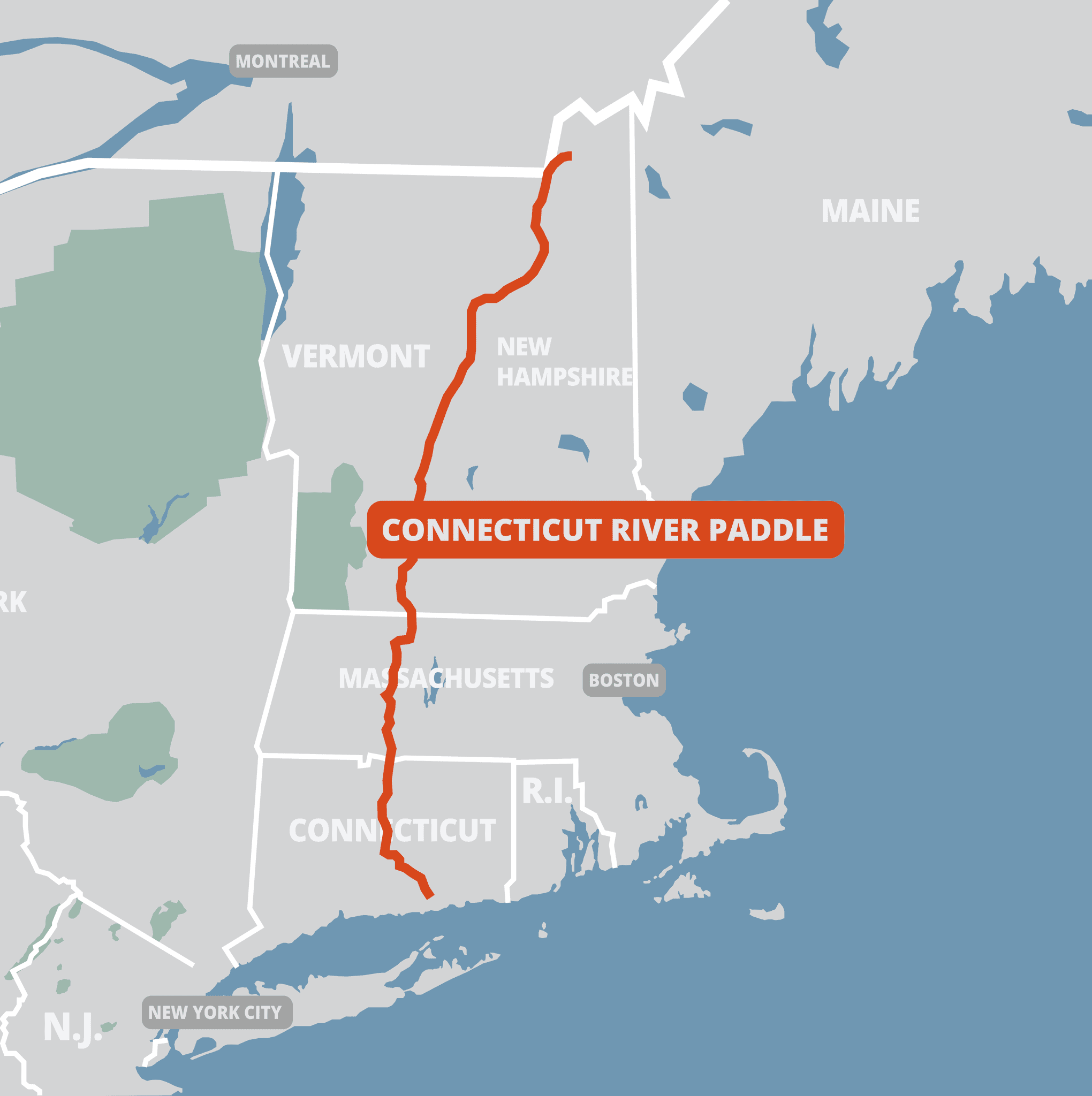
Download our guide to access this 400 mile long Connecticut River Paddlers' Trail! The Connecticut River Paddlers' Trail is a long-distance paddling trail that follows the 400-mile Connecticut River from its headwaters at the US-Canada border to its terminus at the Long Island Sound. Mostly meandering, but at times rushing forcefully, the Connecticut River flows past a diverse landscape of rich agricultural lands, rural communities, urban centers, and tidal marshes. With its consistently navigable waters, few portages or difficult rapids, a rich cultural history and a varied natural landscape, the Connecticut River provides a unique opportunity to paddle through the heart of New England. Traveling through four New England states (NH, VT, MA, and CT) the Connecticut River offers endless exploration opportunities for any paddler that comes along!
$9.99 full guide
400 miles
$9.99 full guide
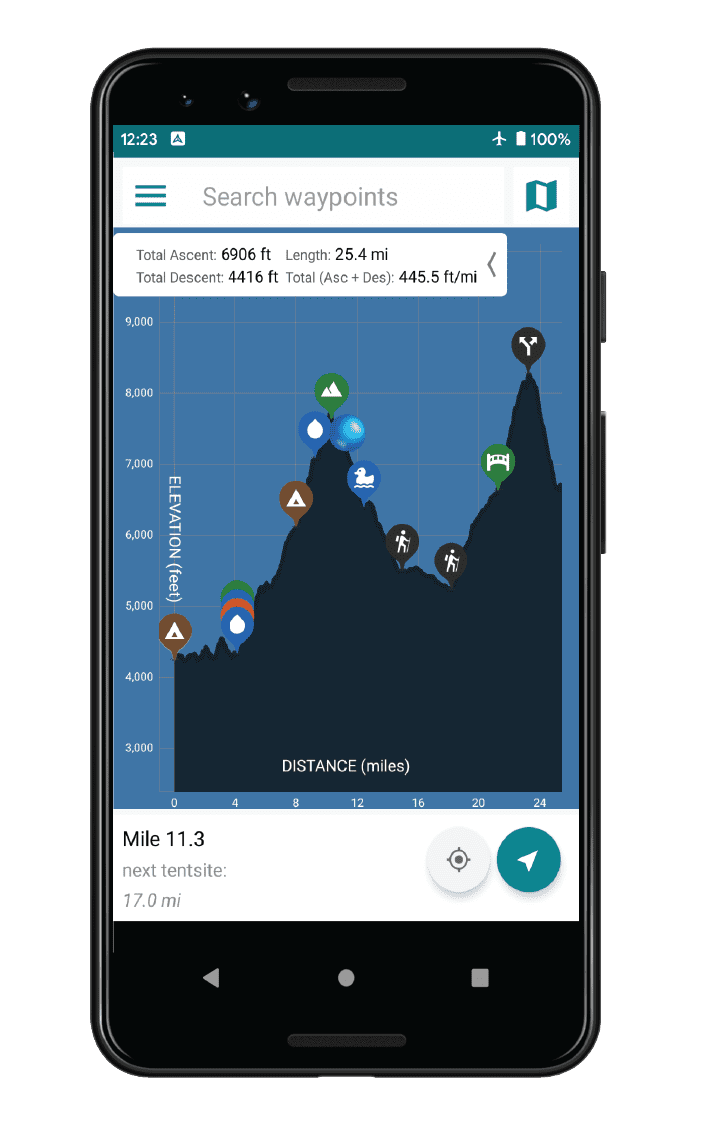
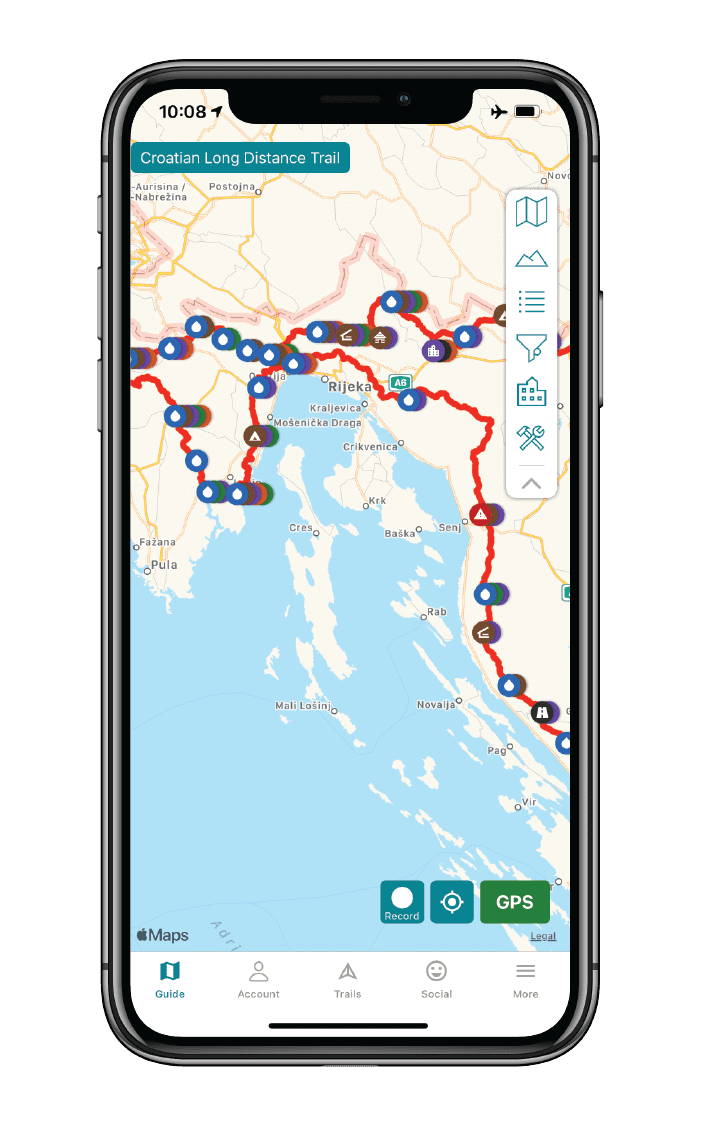
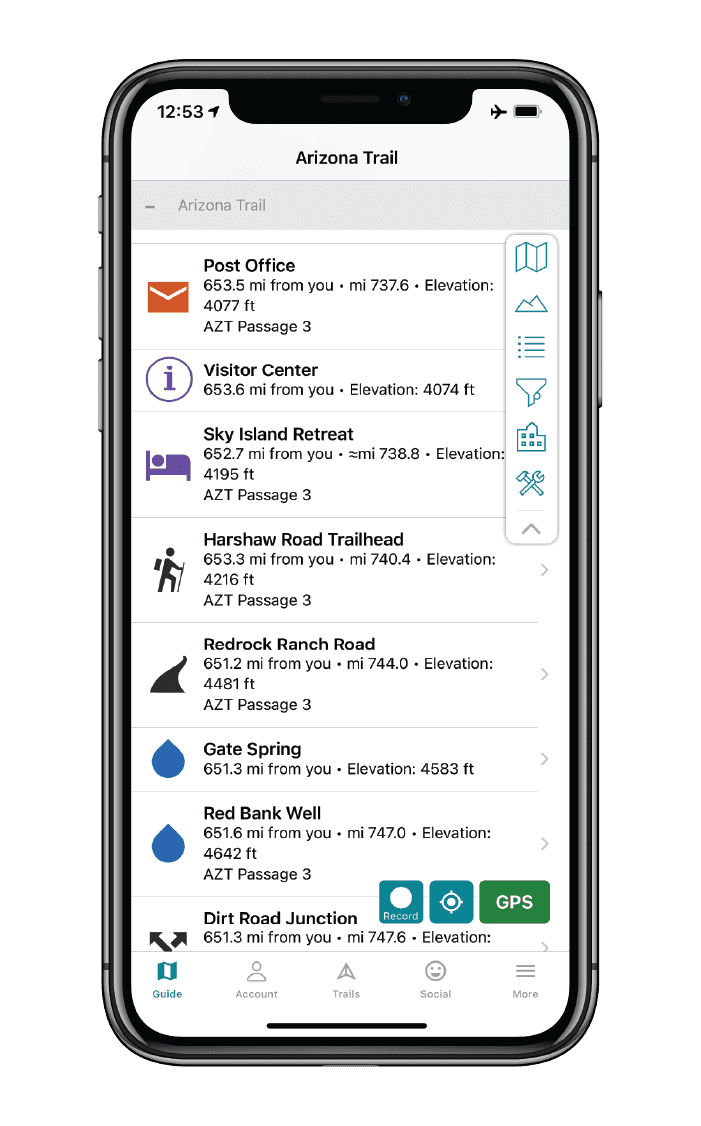
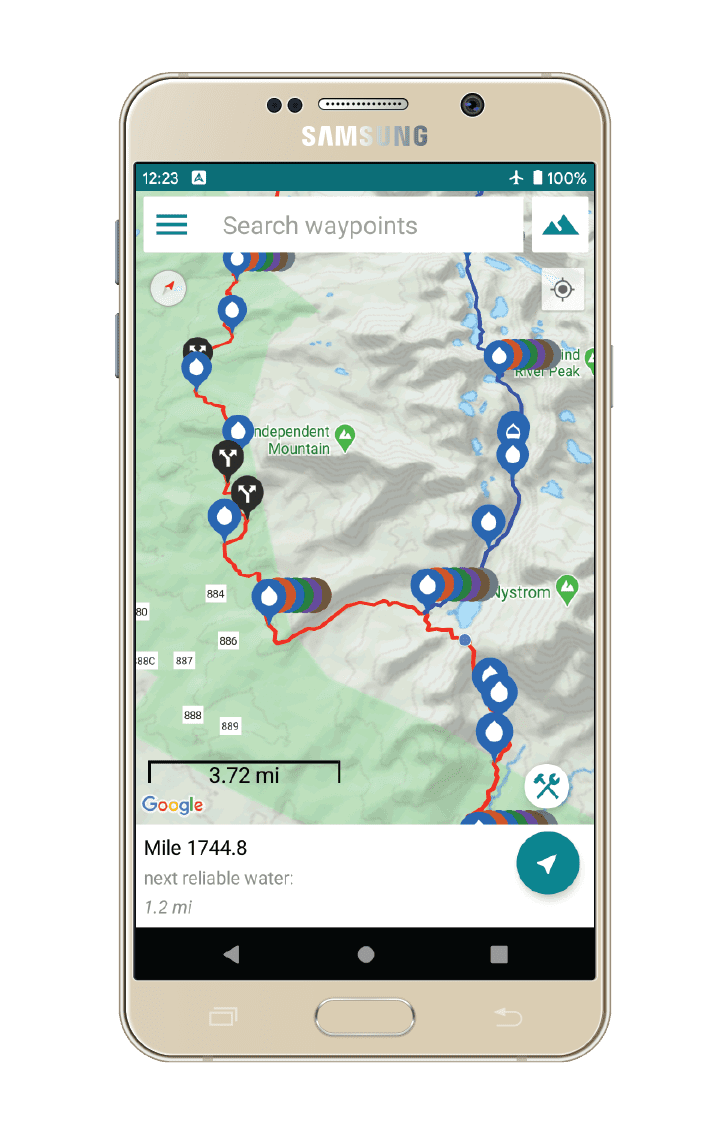
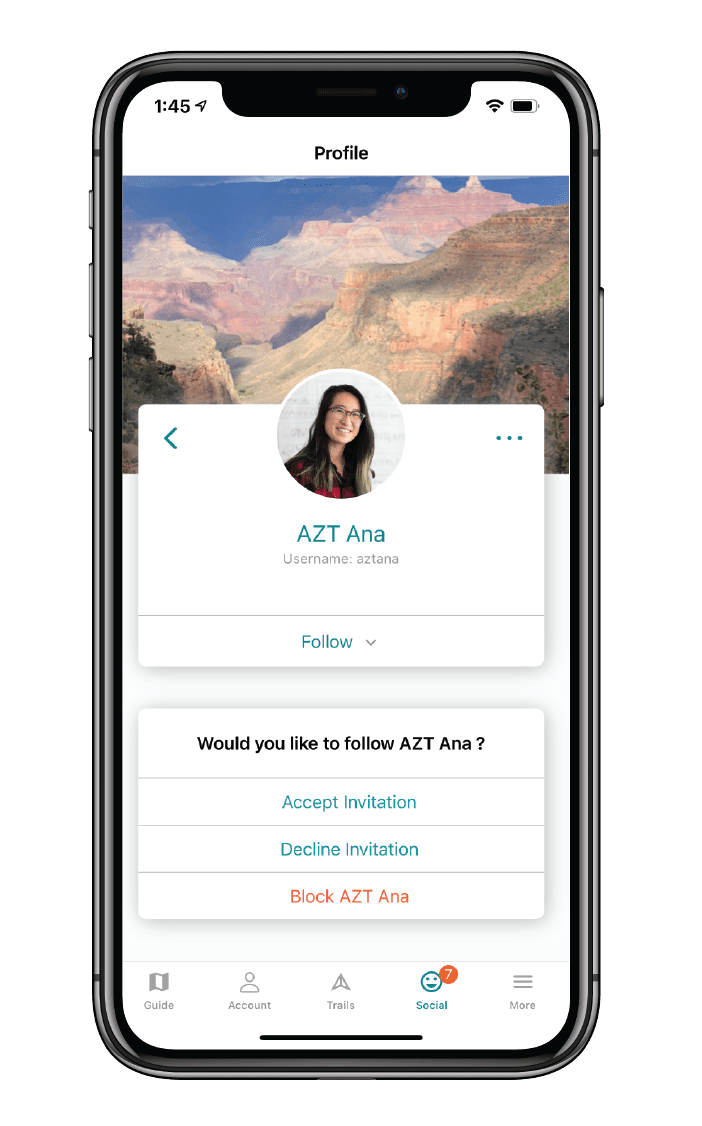
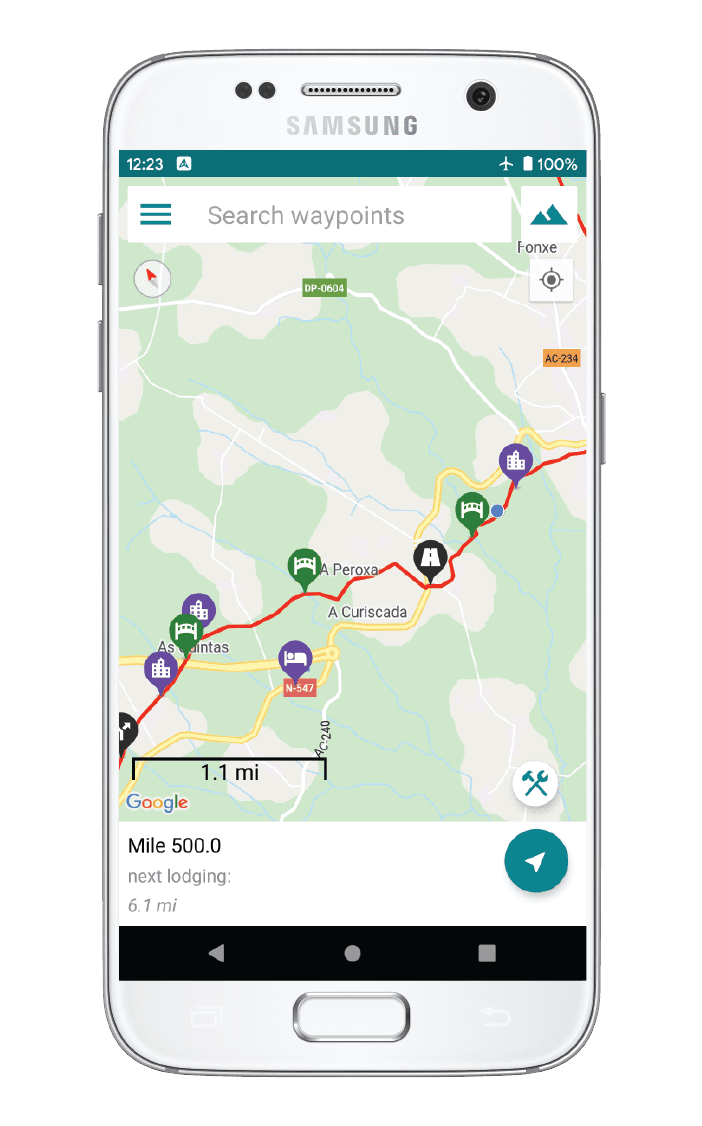
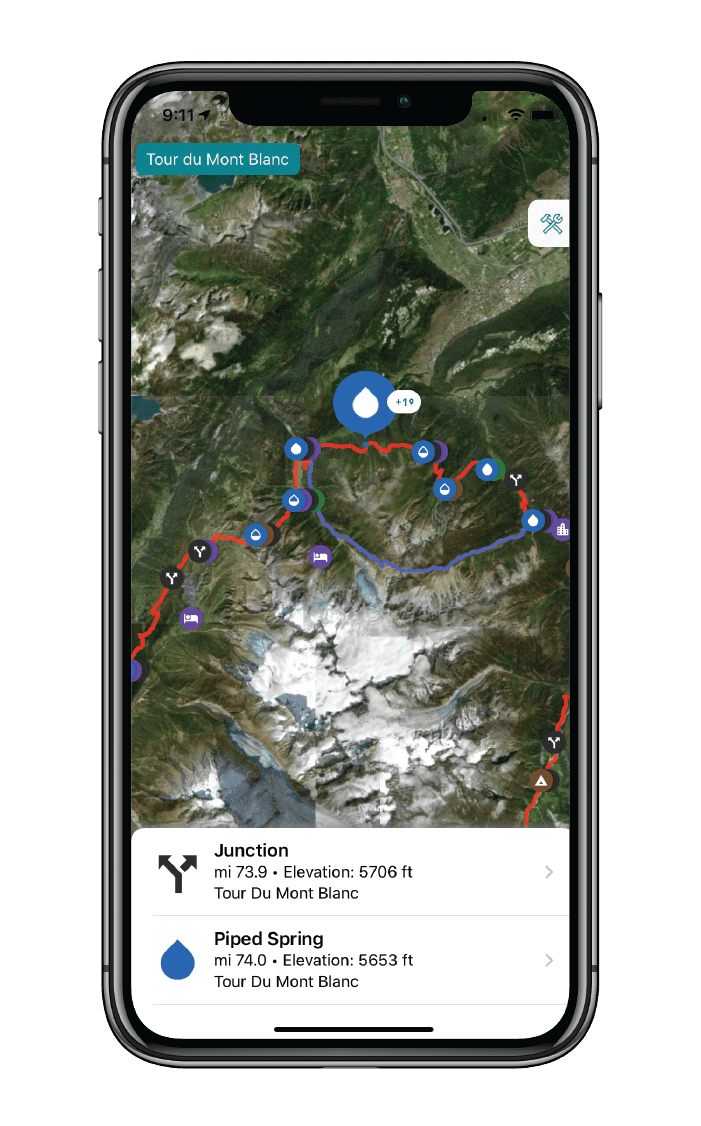
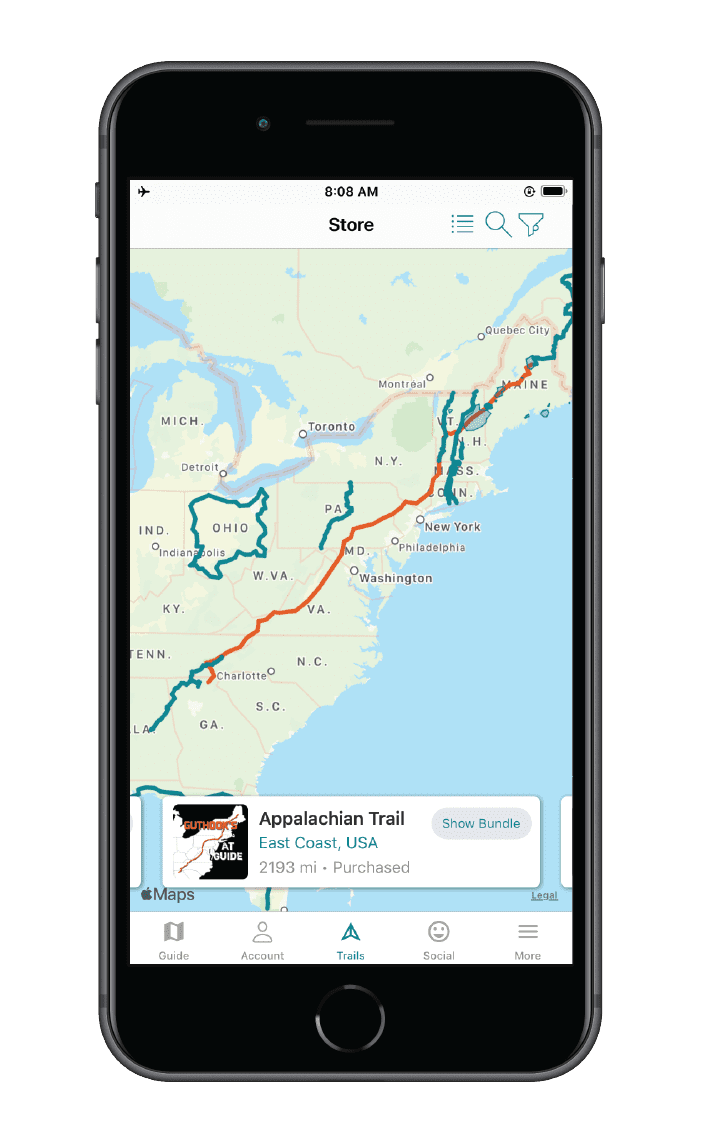
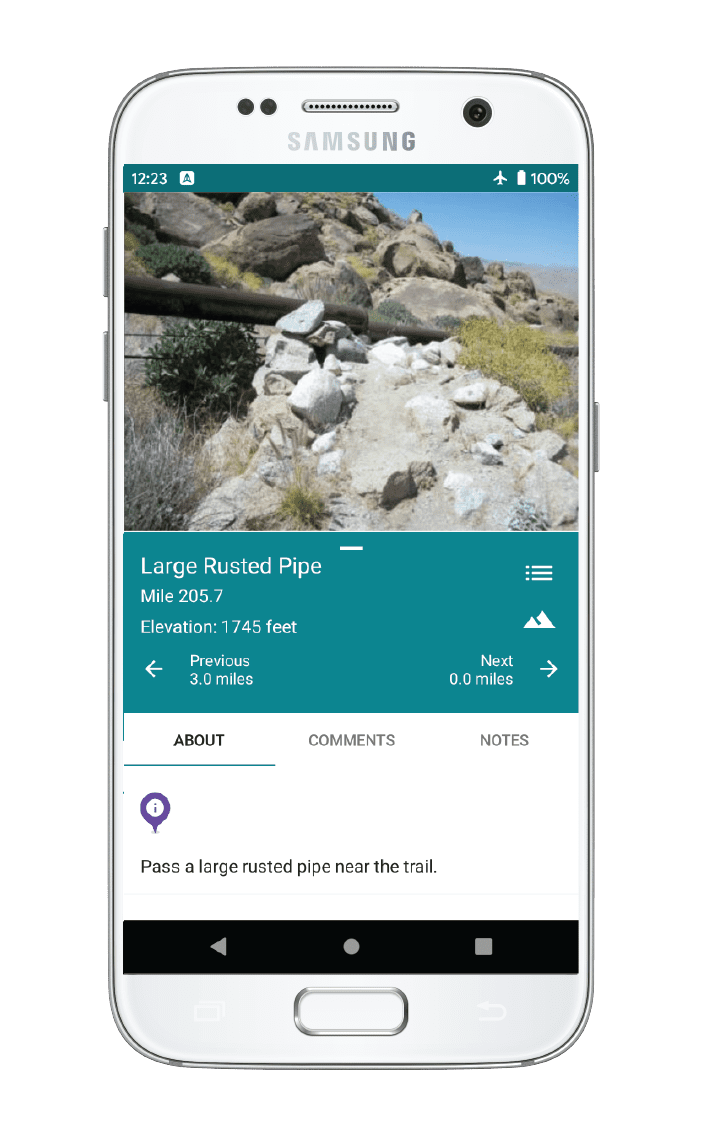
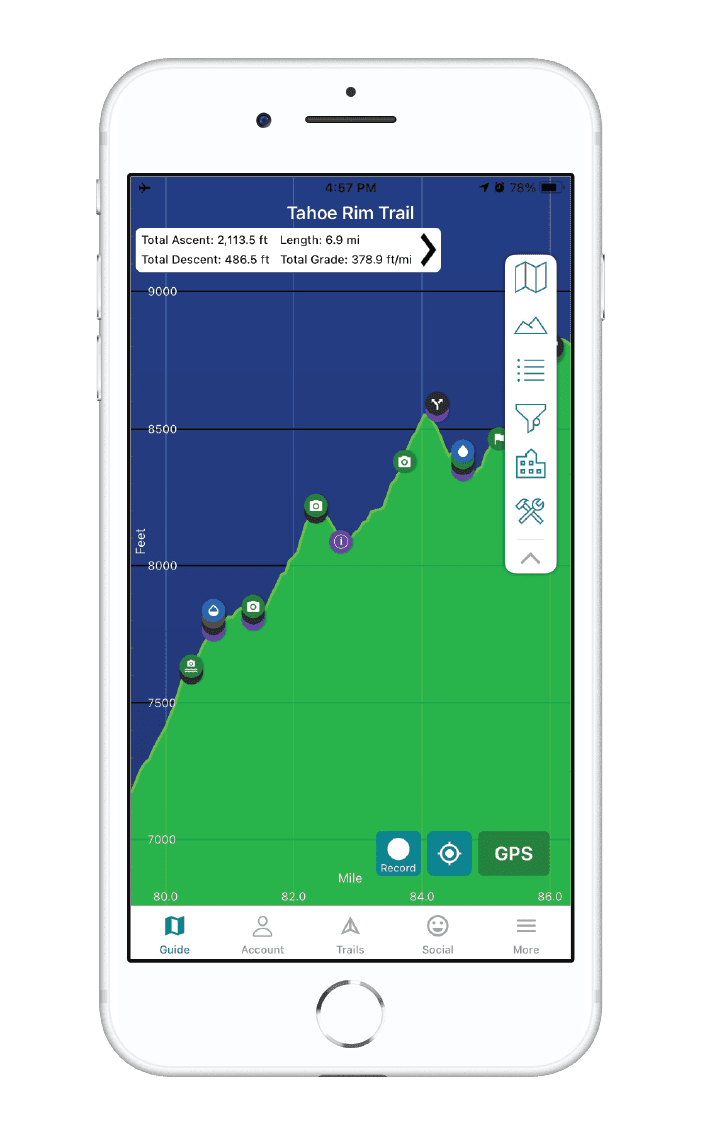
Connecticut River Paddlers’ Trail Map









How can I get it?
The The Connecticut River Paddlers' Trail map is available as an in-app purchase in our Guthook Guides app, a free download from the Apple App Store or the Google Play Store.
Our iOS and Android apps do differ slightly in their appearance. However, the majority of their features remain the same, and they access the same trail guide data.
The Connecticut River Paddlers’ Trail spans 400 miles of the Connecticut River from its headwaters at the US/ Canadian border to its terminus at the Long Island Sound traversing through New Hampshire, Vermont, Massachusetts & Connecticut, USA
$9.99
Photos of the Connecticut River Paddlers Trail

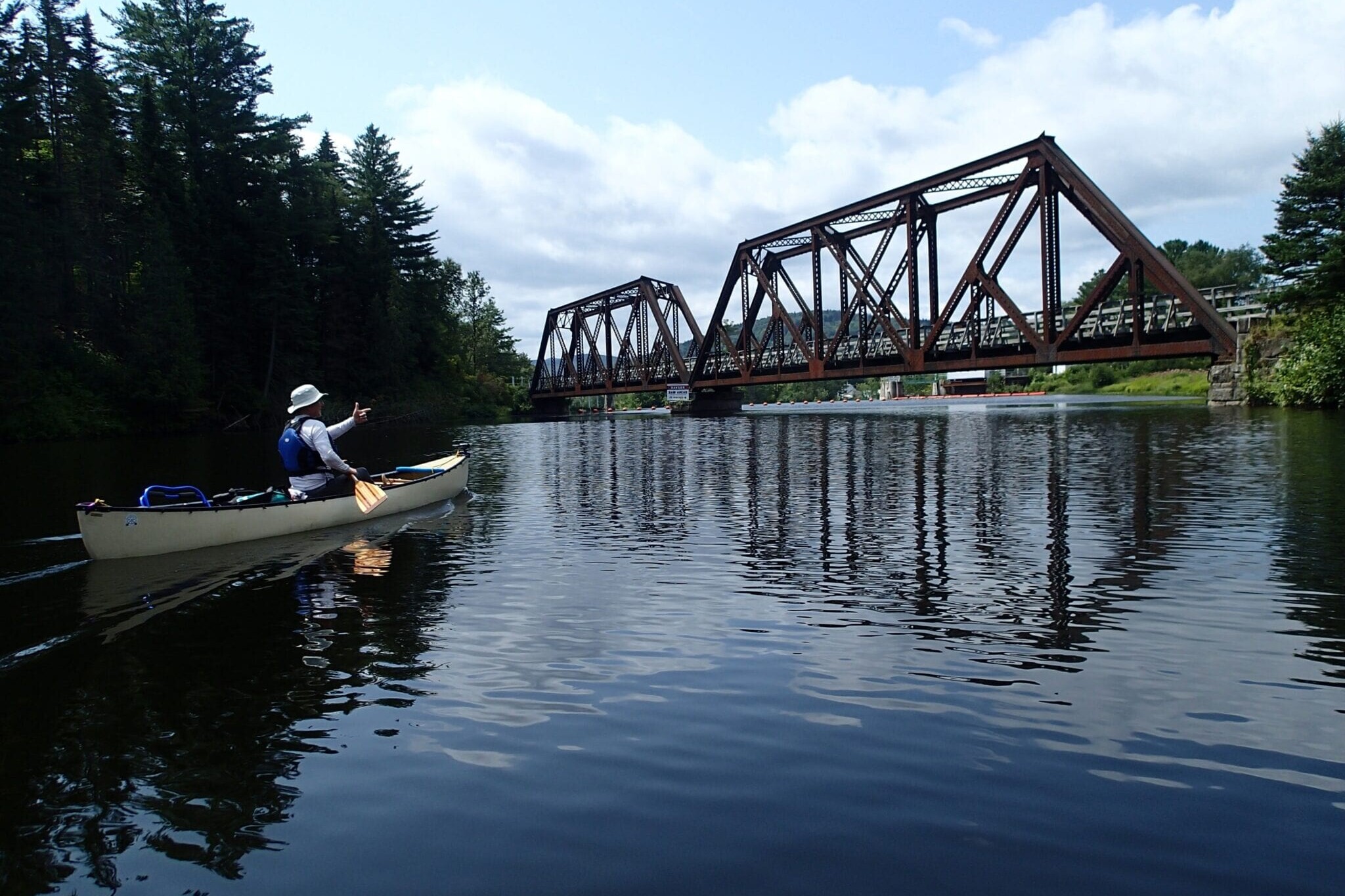
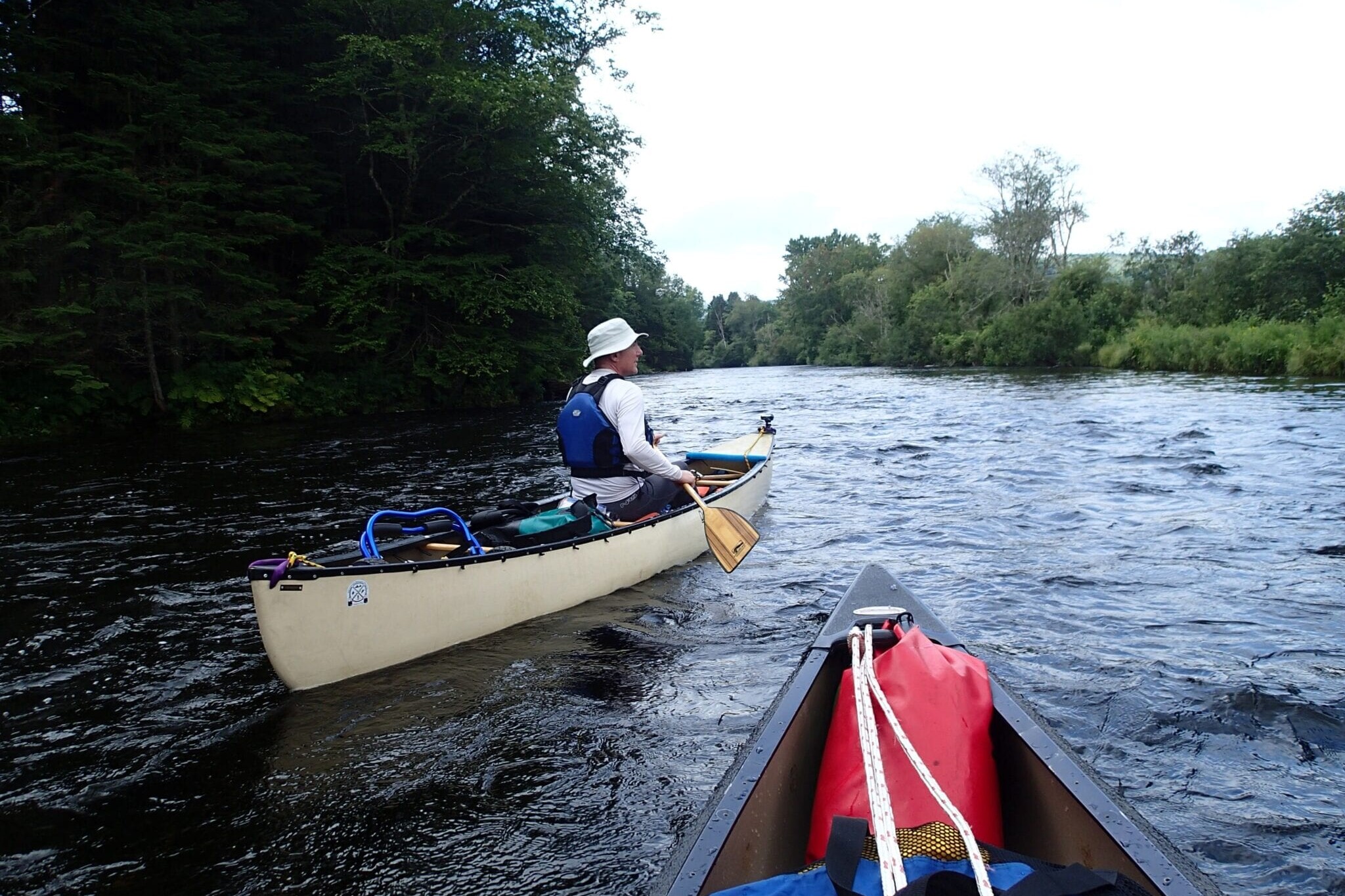
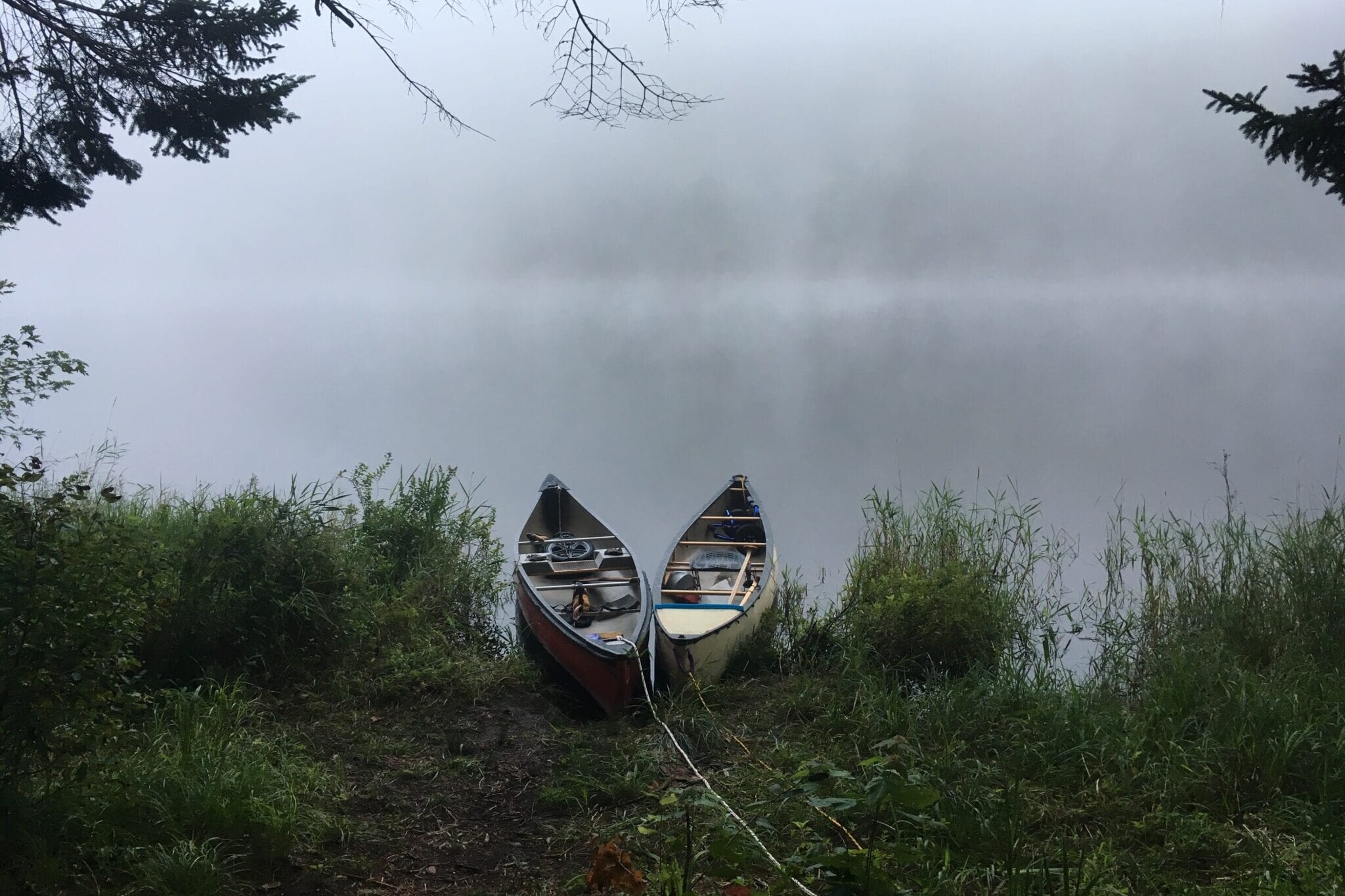



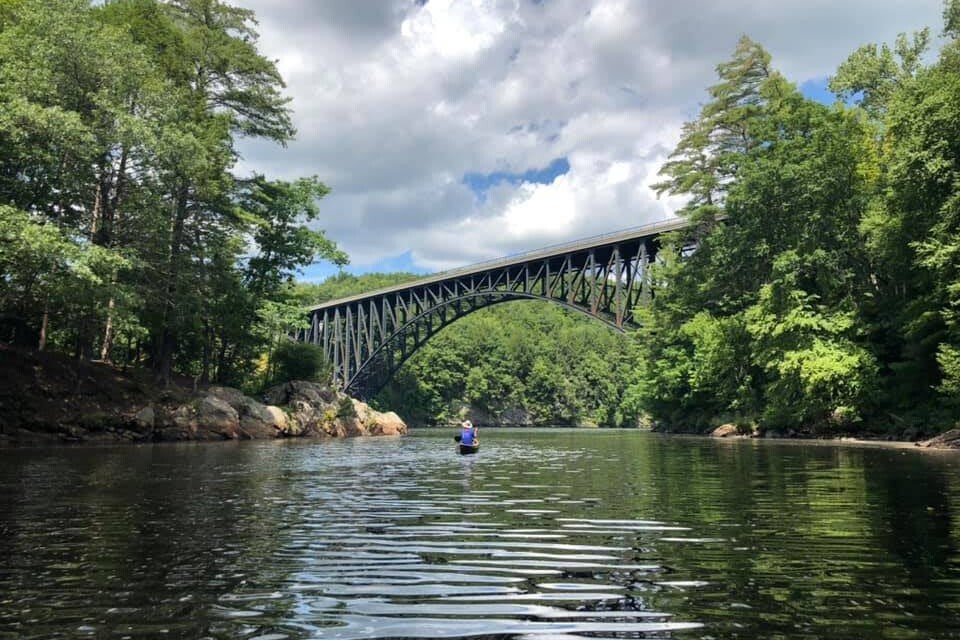

Hike more.
Check out some of the other trail guides we offer!

About our partners
The Connecticut River Paddlers’ Trail
The Connecticut River Paddlers’ Trail guide is maintained through efforts coordinated by a 7 person CRPT Executive Committee in partnership with members that represent state agencies, non-profit partners, and the general public as well as Atlas Guides. For a full list of trail partners visit Connecticut River Paddlers’ Trail website
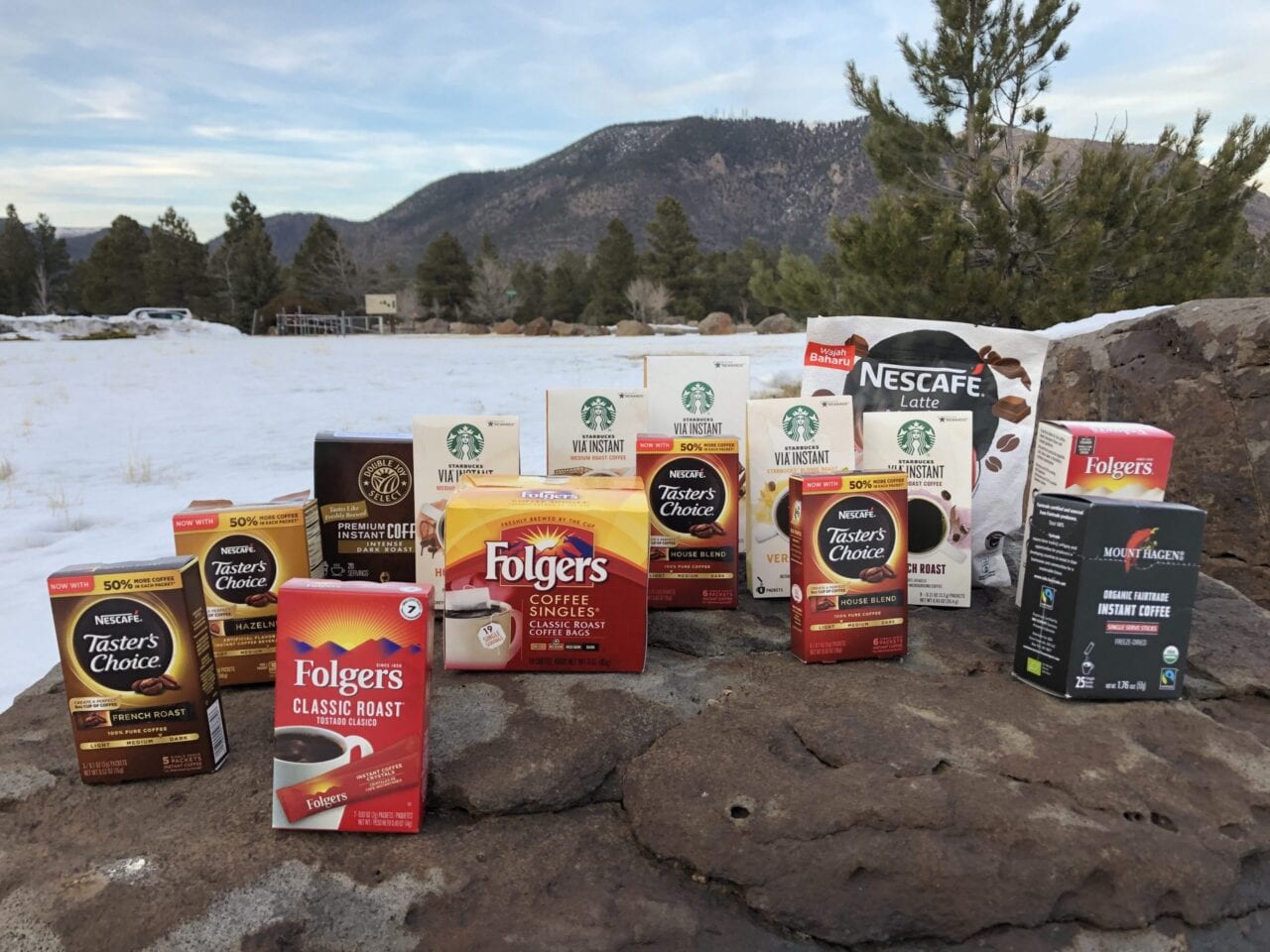
6 Instant Coffee Brands for Thru-Hiking
Planning an adventure? Check out our popular trail guides! 4.8 stars (17K+ ratings)
6 Instant Coffee Brands for Thru-Hiking
It is easier than ever to enjoy a good cup of instant coffee in the outdoors. We tested ten flavors of instant coffee with varying brand, taste, cost and weight. The best instant coffee for you depends on your individual taste. But we are sure with a bit of testing you'll quickly find something you will like.
Paul Bodnar Tech on the Trail 1/8/2020
Paul Bodnar
Tech on the Trail
1/8/2020
Instant coffee is by far the easiest and most light-weight way to get your coffee fix on the trail. All you have to do is put instant coffee in a cup, add water, and you’re done. However, instant coffee has a reputation for poor taste. But don’t worry — things have changed.
Preferred brewed coffee? Check out our post about brewing coffee in the backcountry: 8 Ways to Make Coffee While Thru-Hiking or Camping
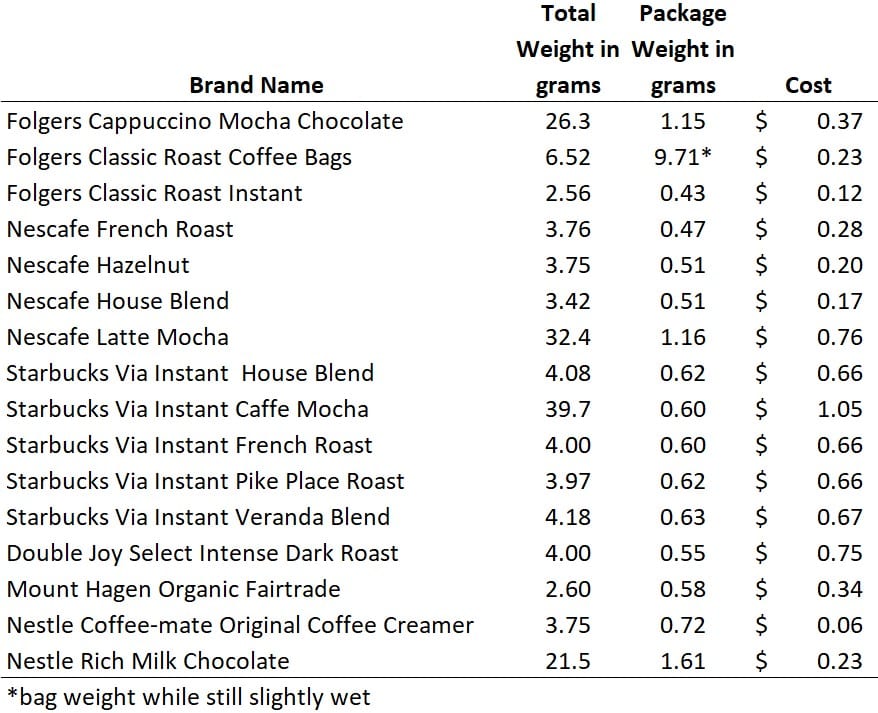
We tasted a variety of instant coffees. Most weighed less than 4 grams per serving, including packaging, with the packaging weighing in at less than one gram.
We’re not coffee snobs, but we know a good cup of coffee from a bad cup. If you haven’t tried instant coffee in a while, you’ll be in for a pleasant surprise. They all tasted just fine, even Folgers.
We tested some of the most common brands founds in the grocery store or on Amazon. But the sky is the limit: there’s an instant coffee out there for any taste. With a little experimentation, you will certainly find an instant coffee that will work for you.
We purchased all items and were not solicited to review any item in this blog post.
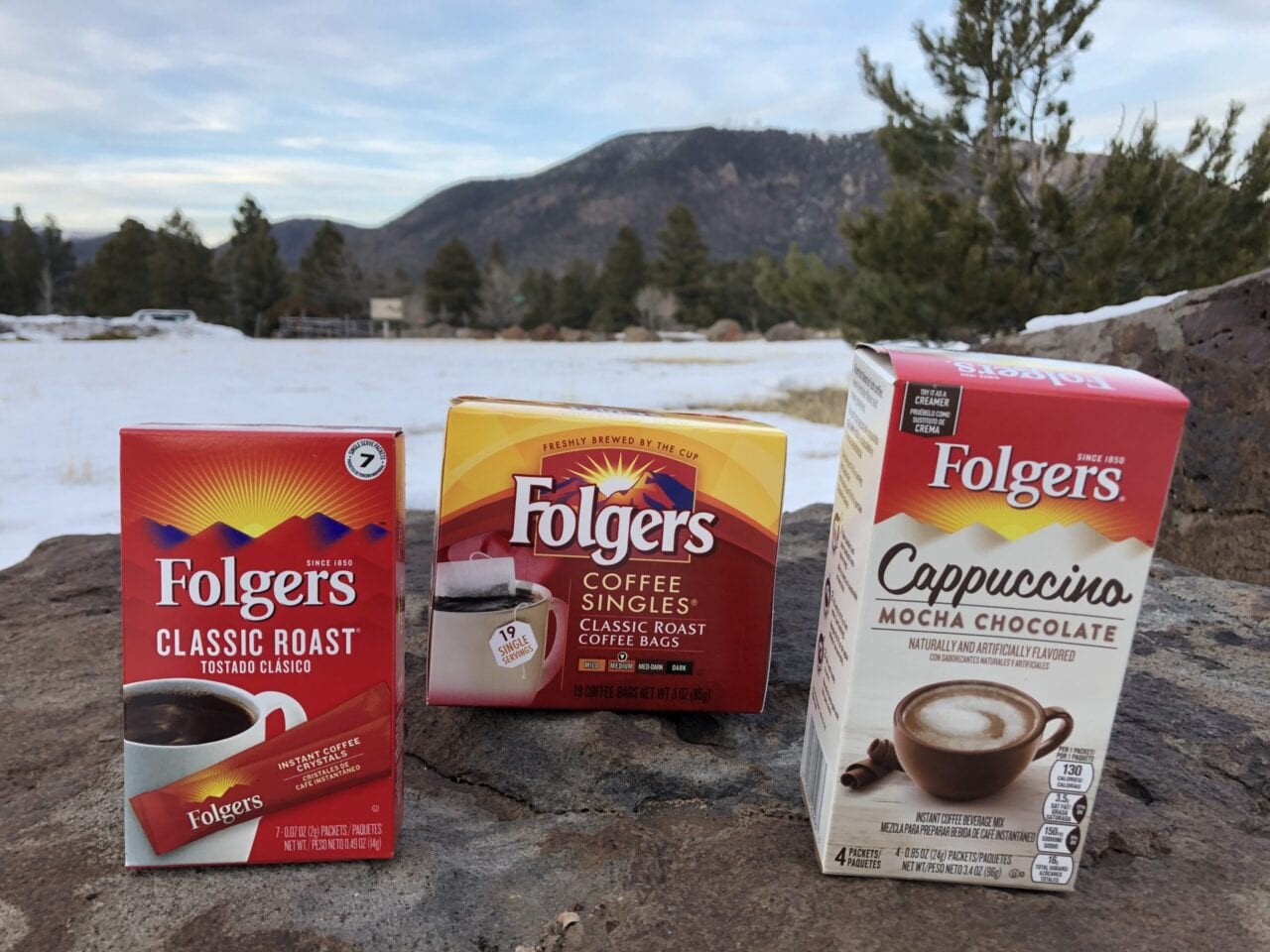
1. Folgers
Folgers is the classic, affordable coffee drank by millions. Coffee aficionados may turn their nose up to it, but give the instant a try.
The Classic Roast instant has a mild flavor at one-fifth the price of Starbucks Via (reviewed below). However, this was our least favorite of all the coffees we tried. Small downside: it is designed for 6 oz. water, unlike all other instant coffees reviewed here, which call for 8 oz. water.
$0.12/serving, 2.6g total, 0.4g packaging
Folgers also offers an instant Cappuccino Mocha that is about one-third the price of the Starbucks instant Caffe Mocha.
$0.37/serving, 26g total, 1.1g packaging
We include the Folgers single classic coffee bag here for those who like brewed coffee, but packing out the used bag is on the heavy side compared to instant.
$0.23/serving, 6.5g dry, 9.7g slightly wet
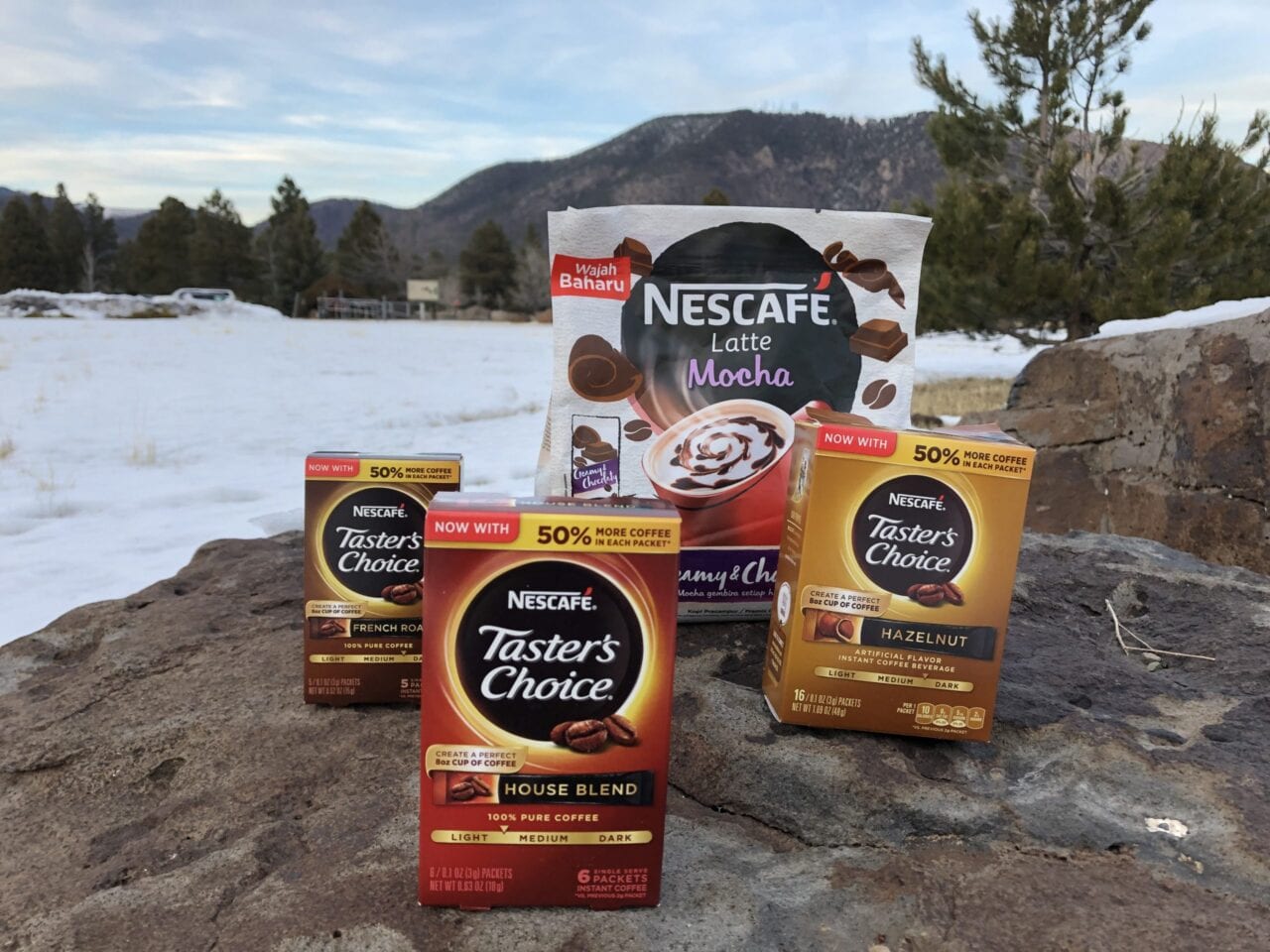
2. Nescafe Taster’s Choice
Taster’s Choice is your classic instant coffee that comes in a variety of roasts and flavors and packaging options. We found it to be a surprisingly good-tasting coffee at an affordable price.
French Roast
$0.28/serving, 3.8g total, 0.5g packaging
House Blend
$0.17/serving, 3.4g total, 0.5g packaging
Hazelnut
$0.20/serving, 3.8g total, 0.5g packaging
Latte Mocha
$0.76/serving, 32g total, 1.2gpackaging
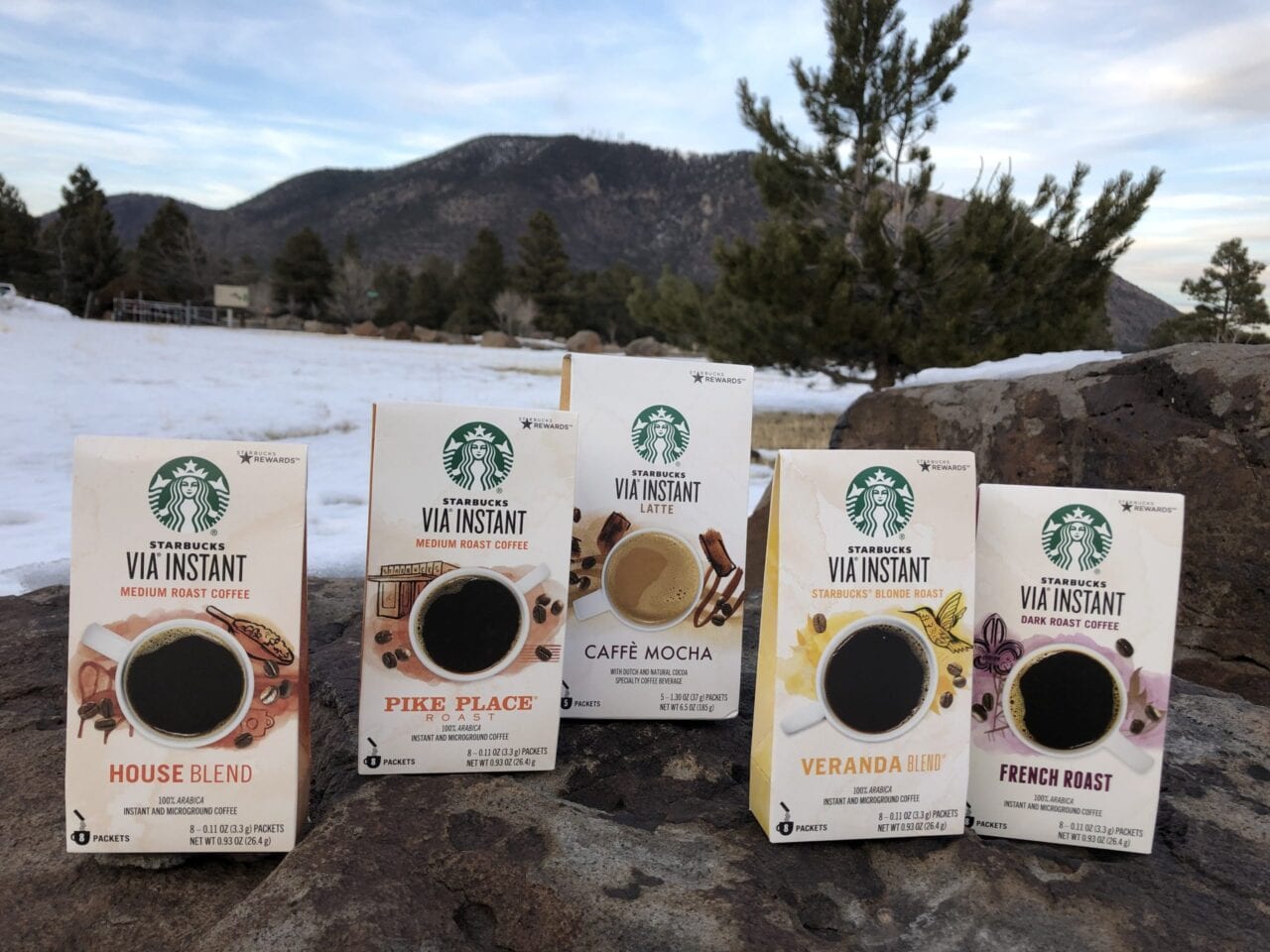
3. Starbucks
We tried four Starbucks Via instant blends and the Starbucks Caffe Mocha. These are robust coffees and have that slightly-burned taste that seems common with Starbucks. We particularly liked the Via Pike Place and Via Veranda blends . The Via French Roast is quite strong. Starbucks was among the most expensive instant coffees we tested, and while it has a great flavor you can probably get away with spending less.
House / Pike Place / Veranda / French Roast
$0.66/serving, 4g total, 0.6g packaging
Caffe Mocha
$1.05/serving, 40g total, 0.6g packaging
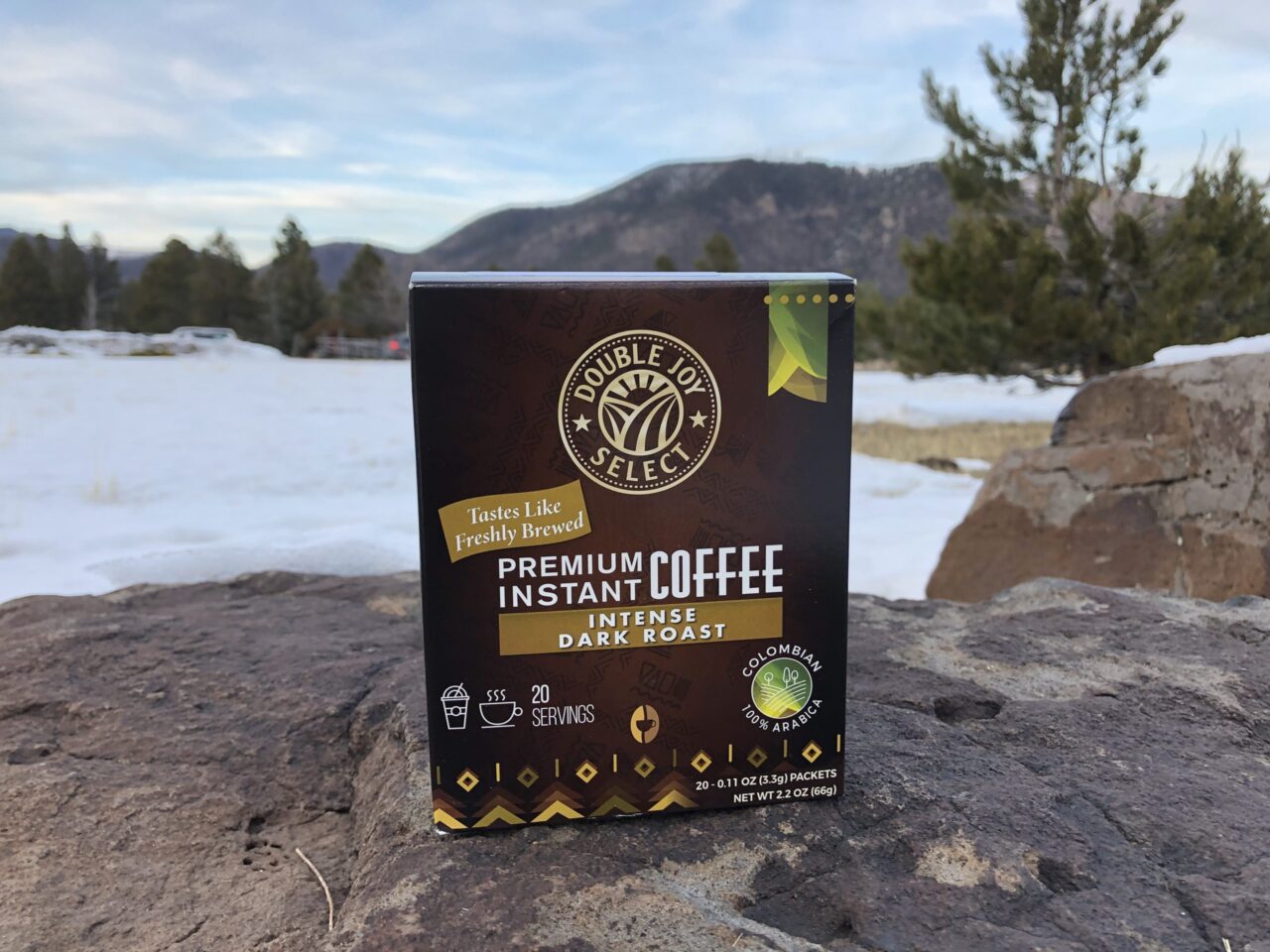
4. Double Joy Select
Double Joy Select intense dark roast was the most expensive instant coffee we tested. It had a bold, smooth taste without the bitter/burned ending you might get with other bold coffees. It is powdered, which means no stirring is required.
$0.75/serving, 4g total, 0.6g packaging
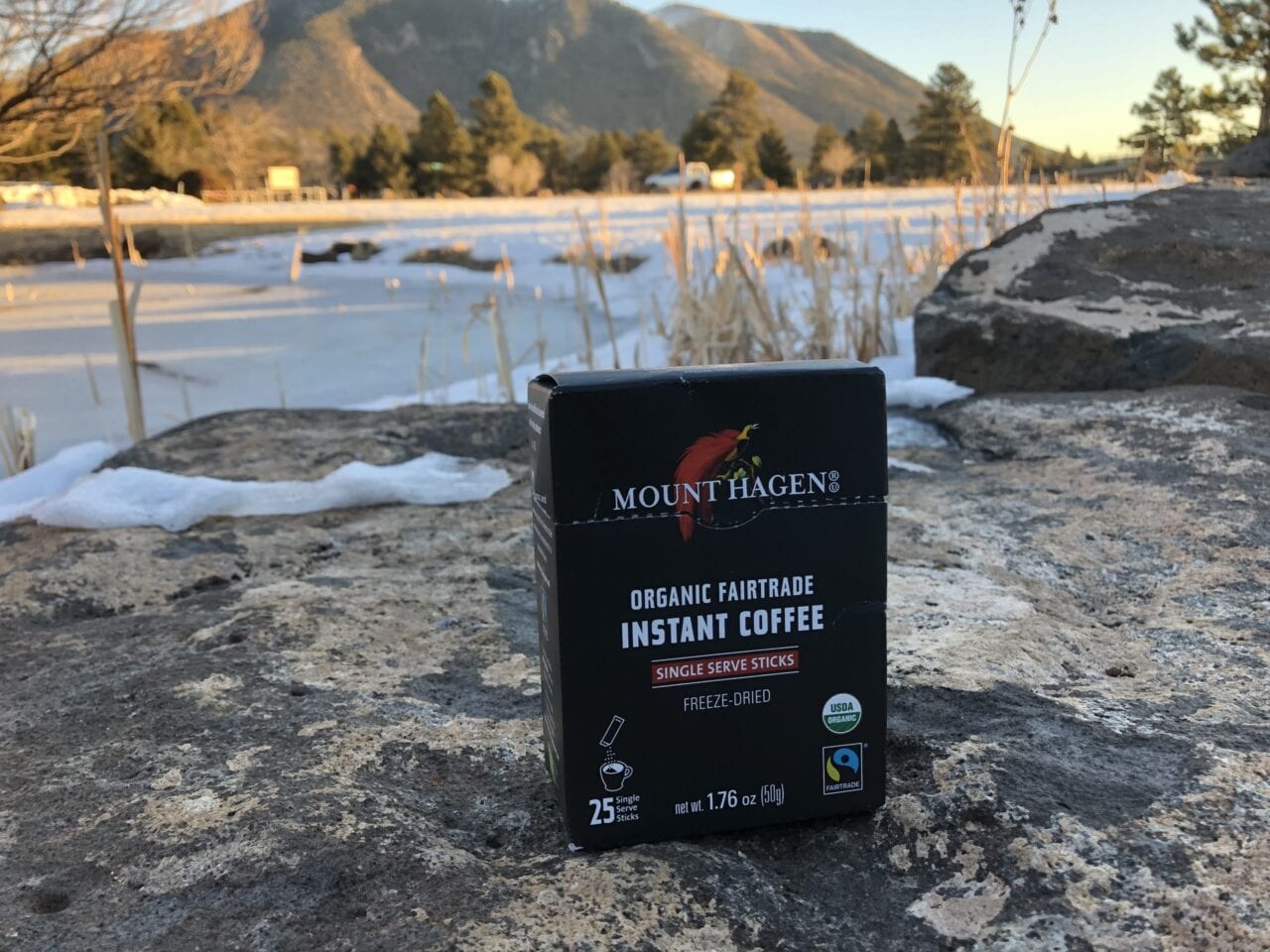
5. Mount Hagen Organic Fairtrade
Mount Hagen is a German coffee company that exclusively offers Fairtrade, organically grown coffee, with an instant variety at about half the cost of Starbucks Via. It is a well-rounded coffee that you can feel good about drinking. This was one of our favorites.
$0.34/serving, 2.6g total, 0.6g packaging
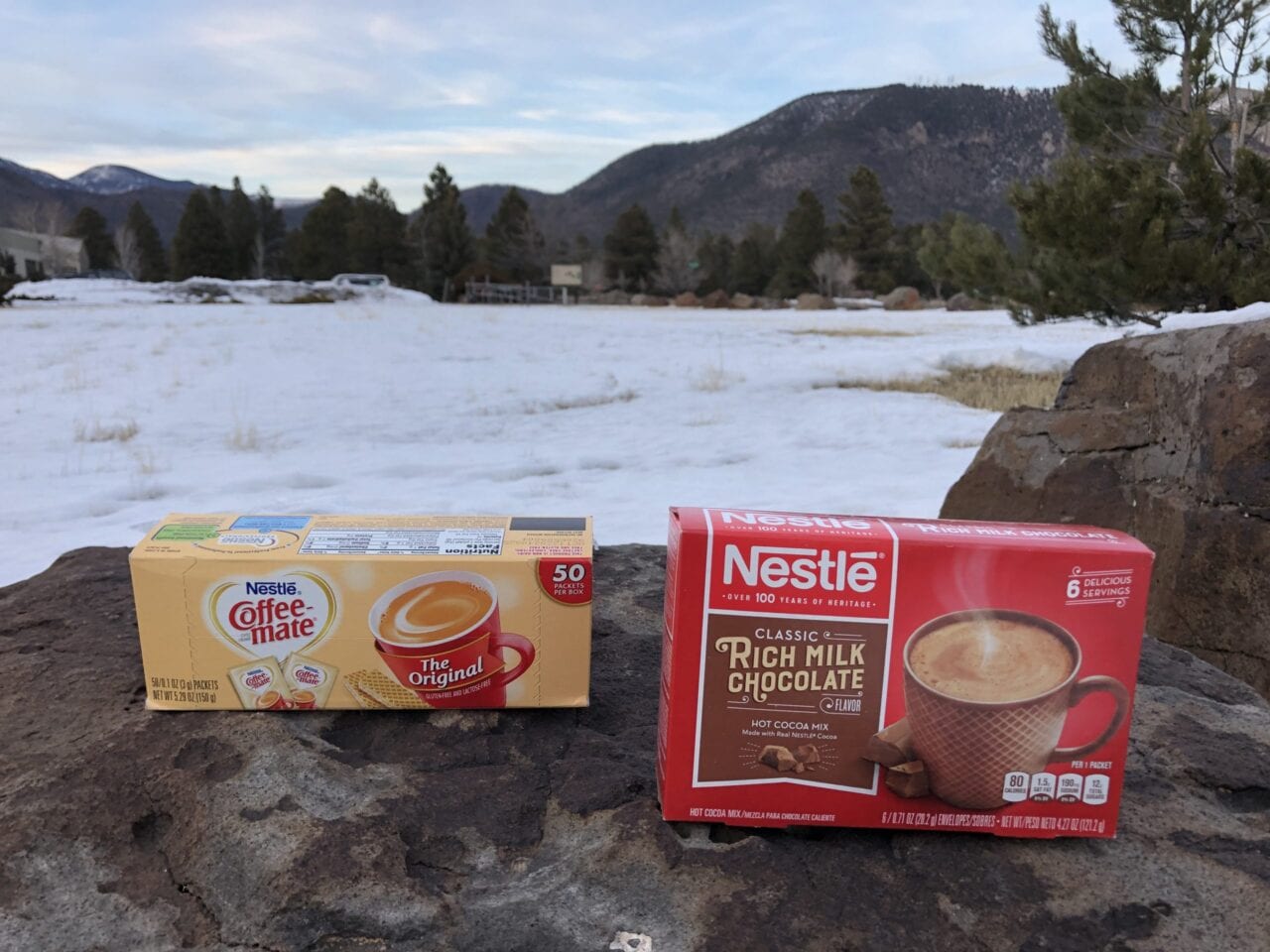
6. Coffee Additions
If you are craving some extra calories or something sweet, consider adding powdered Coffee-mate or powdered hot chocolate to your coffee. You can make your own mocha at a fraction of the cost of a pre-packaged mocha.
Coffee-mate creamer
$0.06/serving, 3.8g total, 0.7g packaging
Nestle Rich Milk Chocolate cocoa mix
$0.23/serving, 22g total, 1.6g packaging
Instant Coffee Summary
There are so many choices of instant coffee today. With a little experimentation we are sure that you can find an instant coffee that fits your desired taste and cost.
Pro tip! Add BOILING water to your instant coffee. Otherwise it may not completely dissolve and result in an unappealing mixture.
Want to keep up with all that’s going on at Atlas Guides? Sign up for our newsletter!
Read more!
Check out some related blog posts!
Download our popular hiking and biking guides!
Trail guides that get you to places you’ve dreamed of.
As the makers of Guthook Guides, Bikepacking Guides, and Cyclewayz, we help you navigate the most popular trails around the world on your smartphone. Our hiking guides and biking guides work completely offline. Let Guthook guide your next adventure!
Showers Lake Vista, Tahoe Rim Trail
Photo courtesy of the Tahoe Rim Trail Association
Showers Lake Vista, Tahoe Rim Trail
Photo courtesy of the Tahoe Rim Trail Association
Trail guides that get you to places you’ve dreamed of.
As the makers of Guthook Guides, Bikepacking Guides, and Cyclewayz, we help you navigate the most popular trails around the world on your smartphone. Our hiking guides and biking guides work completely offline. Let Guthook guide your next adventure!
Download our popular hiking and biking guides!
About the Author
Paul Bodnar
Paul has always liked hiking and thru-hiked the Pacific Crest Trail in 1997 after college. After years of working in chemistry, he wanted to create a career involving the outdoors, so he hiked the Pacific Crest Trail again in 2010 to do research for his guide book Pocket PCT. He realized that creating a smartphone app for navigating the outdoors would make it easier to keep the data current and provide a better way to navigate. While hiking with Ryan (aka Guthook) in 2010, they decided to work together to create the first comprehensive smartphone guide for the Pacific Crest Trail. Now with the help of a team of great people they have created over 50 guides for trails around the world.

After the Trail: Post-Hike Depression
Planning an adventure? Check out our popular trail guides! 4.8 stars (17K+ ratings)
Heading home after the hike
Photo by Morre Christophe
After the trail: post-hike depression
Many thru hikers have difficulty adjusting to life after an epic hike and may even experience post-hike depression. Read what experienced thru hikers have to say about life after the trail.
Alice Bodnar Inside Atlas Guides 10/12/2018
Alice Bodnar
Inside Atlas Guides
10/12/2018
Last summer I hiked Hadrian’s Wall and the Cotswold Way in England and had the great pleasure of walking with Keith “Fozzie” Foskett the first 15 miles of the Cotswold Way. Fozzie has been working with us from afar as a data collector since 2014, and it was good to finally meet him in person. As we walked we got on the subject of depression. At the time Fozzie was working on his latest book High and Low, which recounts his journey of discovering that he has depression as he hiked through Scotland. It made me think about the various ways that depression ties into long-distance hiking. Some people go on a thru hike because they’re depressed or need to work through a difficult issue. Others discover, in the course of the long walk, that they have been suffering from depression. And then others become depressed when the hike is finished and subsequently find it difficult to adjust to life off the trail.

Photo by Zach Searcy
You may have experienced it yourself or read about it: it is very common to become depressed after a long hike. You feel more comfortable in the woods than in town. You have changed but your friends and family have not. No one is interested in your story about how your friend got her trail name. The barrage of advertising in the “real world” seems ridiculous. And most of all, you just want to be back on the trail, where life makes sense to you.
If this is you, you’re not alone. It happens to long-distance hikers, world travelers, and even retirees: it’s difficult to make huge life transitions. I have compiled a short list of depression-related articles from well-known and experienced long-distance hikers. You might be thinking, how are these famous hikers’ experiences relevant to me? I have to go back to work! Although these authors are known for their hiking accomplishments, they each have to make a living doing something other than hiking. So they have a lot of experience transitioning between the hiking world and non-hiking world.
What experienced hikers say…
Keith Foskett
My friend Keith “Fozzie” Foskett, hiker and writer extraordinaire, is in the midst of a 15-part blog series detailing his practical tips for dealing with depression. Each of the entries might seem obvious to someone who hasn’t dealt with depression. For instance: be aware that something is wrong; go to the doctor. But if you’re experiencing depression, these tips may not be obvious. And it can take a lot of courage to do something about it. This series comes out of Fozzie’s detailed account in his book High and Low of his depression journey while hiking in Scotland.
Liz Thomas
If you like fact-based advice, read Triple Crowner Liz “Snorkel” Thomas’s excellent article on the reasons why you have post-hike depression and what you can do about it. This article is packed with links for further reading.
Paul Magnanti
This post by Paul “PMags” Magnanti is a little over 8 years old. PMags recounts the very personal story of his difficult post-Appalachian Trail experience, and his choice to go against the grain of others’ expectations. He also discusses his post-PCT and CDT experiences. PMags is an IT professional and continues to make hiking a central part of his life today.
Jennifer Pharr Davis
It’s almost inevitable that you will be a changed person after a thru-hike. Former AT speed-record holder Jennifer Pharr Davis discusses how to accept and embrace the new you after a hike.
More resources
The Trek
The editors of The Trek polled thru-hikers dealing with post-hike depression and compiled their advice. There are also a number of additional tips in the comments.
Google ‘post-hike depression’ and you will be amazed at the number of accounts you will find. You’re not alone. As Liz Thomas reminds us, post-hike depression is a real thing. Don’t let the fact that your friends or family do not understand keep you from trusting your own feelings and seeking help from a doctor or counselor.
Did you know that you can talk to a crisis counselor by text?
-
Text HOME to 741741 (https://www.crisistextline.org, US only)
Want to keep up with all that’s going on at Atlas Guides? Sign up for our newsletter!
Read more!
Check out other blog posts!
Download our popular hiking and biking guides!
Trail guides that get you to places you’ve dreamed of.
As the makers of Guthook Guides, Bikepacking Guides, and Cyclewayz, we help you navigate the most popular trails around the world on your smartphone. Our hiking guides and biking guides work completely offline. Let Guthook guide your next adventure!
Showers Lake Vista, Tahoe Rim Trail
Photo courtesy of the Tahoe Rim Trail Association
Showers Lake Vista, Tahoe Rim Trail
Photo courtesy of the Tahoe Rim Trail Association
Trail guides that get you to places you’ve dreamed of.
As the makers of Guthook Guides, Bikepacking Guides, and Cyclewayz, we help you navigate the most popular trails around the world on your smartphone. Our hiking guides and biking guides work completely offline. Let Guthook guide your next adventure!
Download our popular hiking and biking guides!
About the Author

Alice Bodnar
Alice left her super stressful job as an attorney and thru-hiked the Pacific Crest Trail in 2012 with her husband (and Atlas Guides co-founder) Paul. After the hike she began developing the Guthook’s PCT Guide for Android and intended to return to law as soon as she caught up with her Android work. She never caught up, and is now a co-owner of Atlas Guides and serves as general counsel and head of operations.