


6 Lightweight and Practical Tips for Thru-Hiking
Planning an adventure? Check out our popular trail guides! 4.8 stars (17K+ ratings)


6 Lightweight and Practical Tips for Thru-Hiking
We started this company as thru-hikers who wanted to help other thru-hikers. We know a lot about long-distance backpacking, so we decided to give you our top 6 lightweight and practical tips to consider on your next big hike.
Paul Bodnar Educational 4/1/2021
Paul Bodnar
Educational
4/1/2021
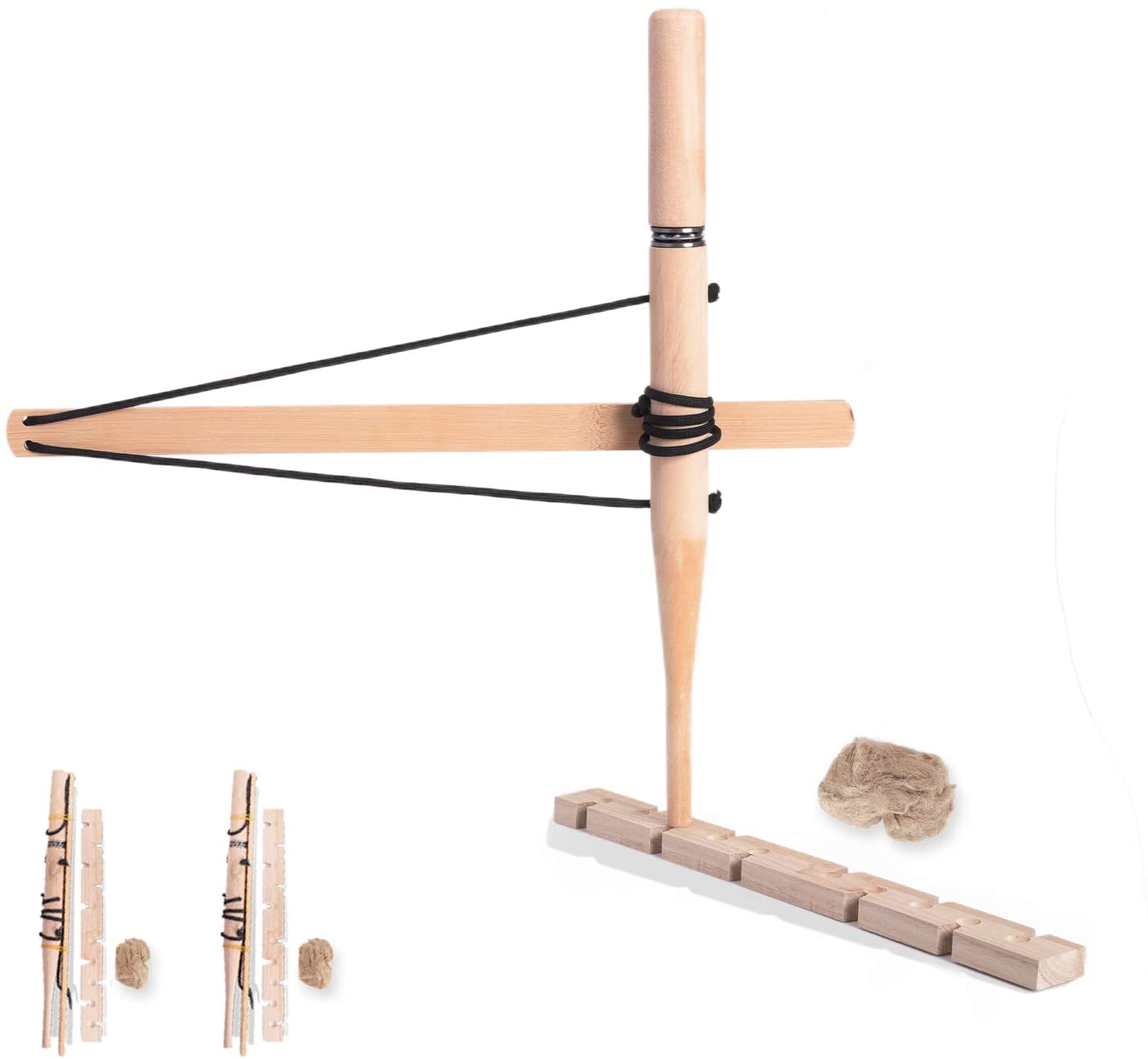
1. Use a bow drill to start a fire
Lighters can run out of fuel… but a bow drill always works if used correctly!
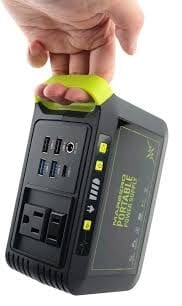
2. Carry a handheld battery as you hike
Take the weight off your back. Bring a lightweight battery that you can easily carry in your hand as you hike.

3. Protect yourself from the sun AND the rain
Sun protection is important but it is also important to keep your pack dry from the rain. A large sun hat can do both!
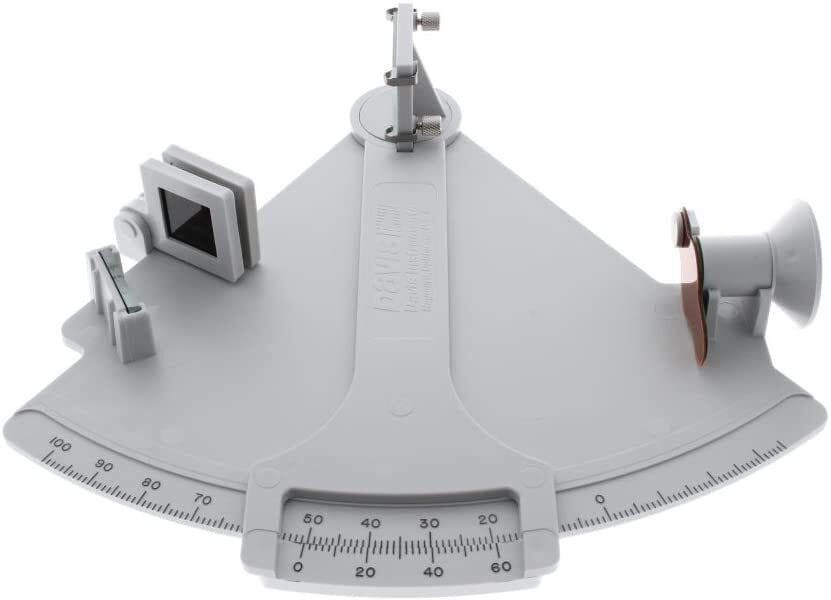
4. Use a plastic sextant for navigation
The plastic sextant is a reliable, lightweight, and an easy way to navigate that works without electronics. Use the artificial horizon when you’re not near a lake.
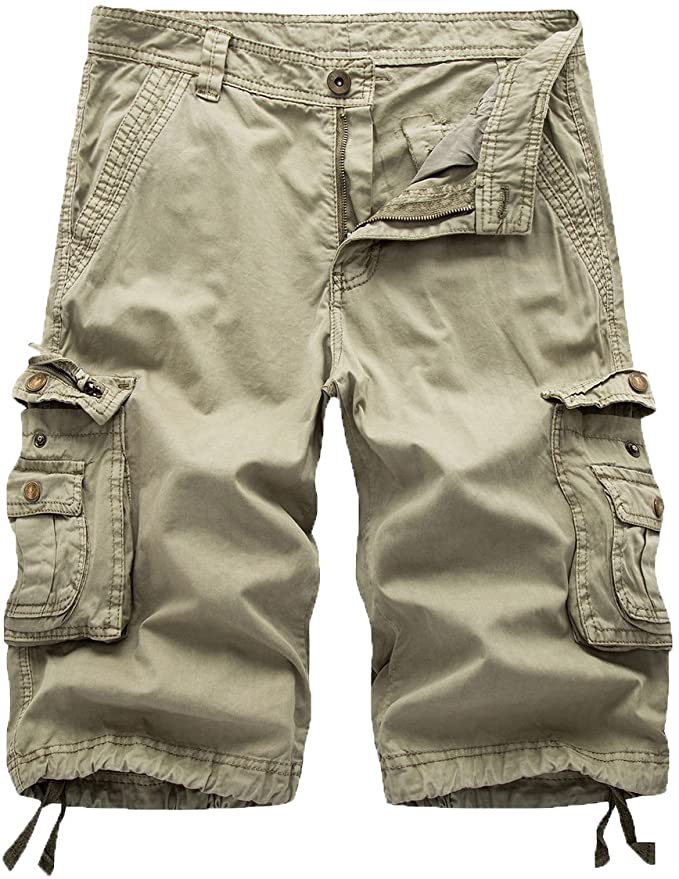
5. Cargo shorts = worn weight
Wear cargo shorts on your hike so you can load up the pockets to reduce your pack weight and increase your worn weight.
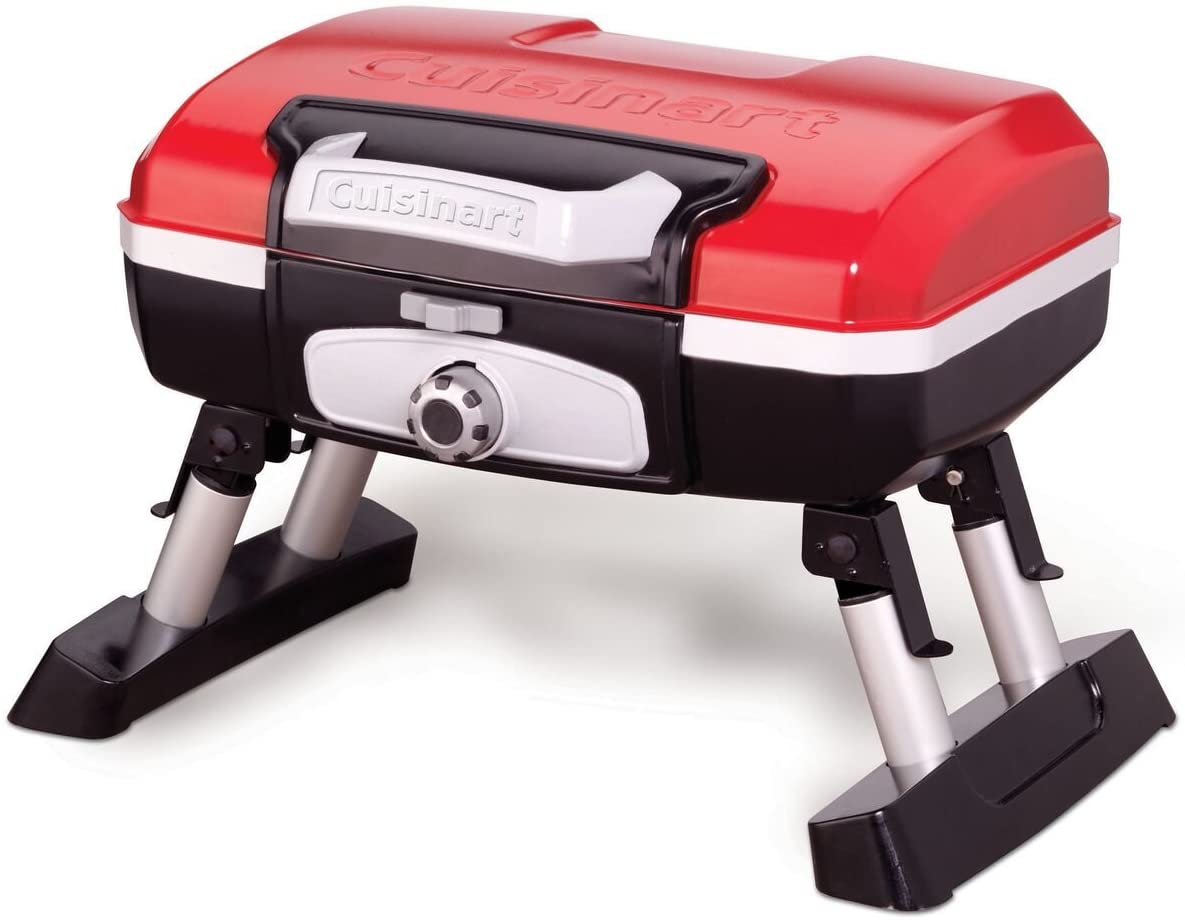
Photo credit for all photos above: Amazon
6. Don’t let the Grill Master inside you fade
A lot of hikers carry small stoves to boil water and cook their food, but if you bring a small grill on your hike, you can have it all! With this grill you can barbecue and boil water at the same time.
April Fools’!
We do not actually recommend any of these tips, unless you really like cargo shorts. Then you ROCK those cargo shorts!
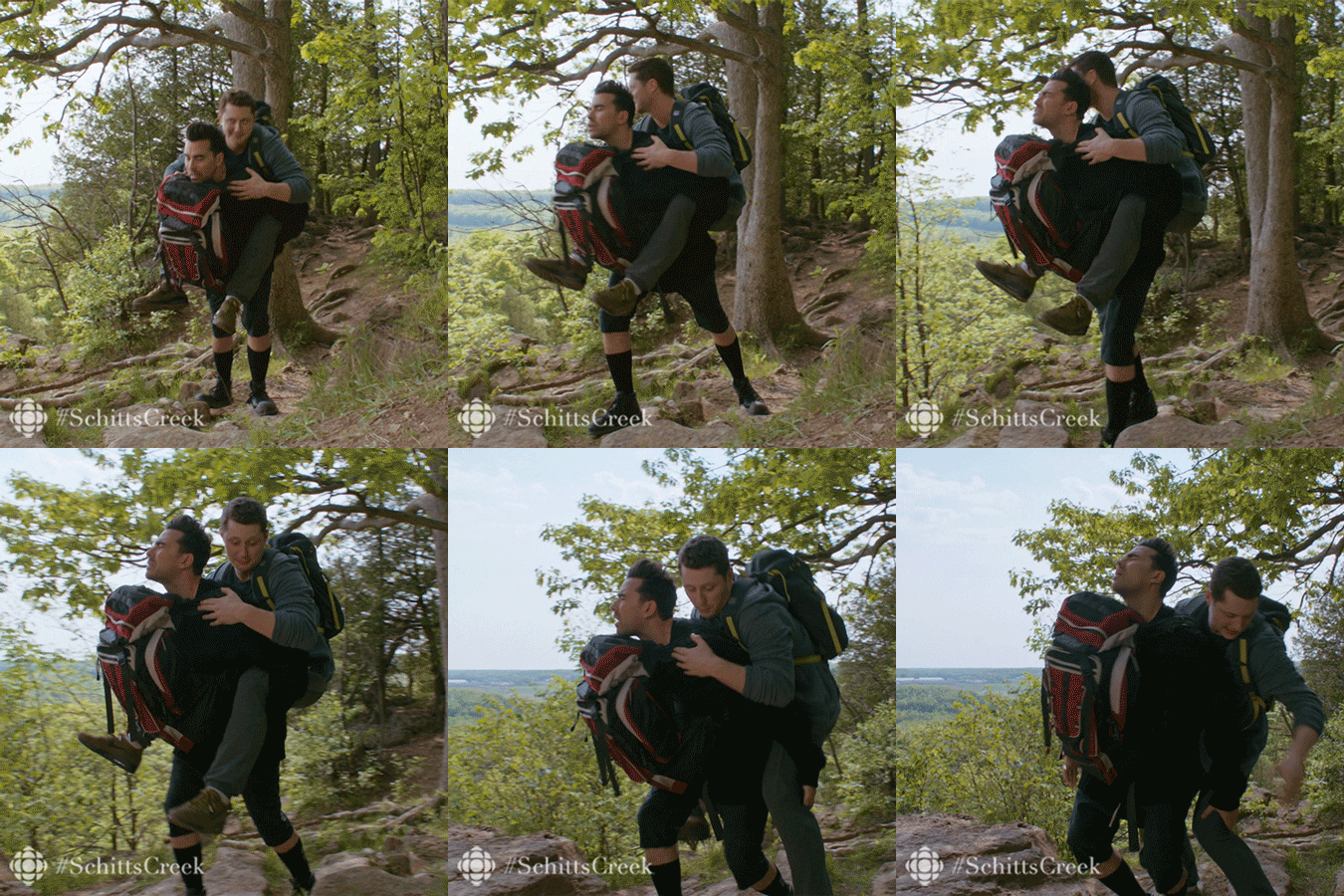
GIPH CREDIT: GIPHY – CBC
Want to keep up with all that’s going on at Atlas Guides? Sign up for our newsletter!
Read more!
Check out some related blog posts!
Download our popular hiking and biking guides!


Trail guides that get you to places you’ve dreamed of.
As the makers of Guthook Guides, Bikepacking Guides, and Cyclewayz, we help you navigate the most popular trails around the world on your smartphone. Our hiking guides and biking guides work completely offline. Let Guthook guide your next adventure!
Showers Lake Vista, Tahoe Rim Trail
Photo courtesy of the Tahoe Rim Trail Association

Showers Lake Vista, Tahoe Rim Trail
Photo courtesy of the Tahoe Rim Trail Association
Trail guides that get you to places you’ve dreamed of.
As the makers of Guthook Guides, Bikepacking Guides, and Cyclewayz, we help you navigate the most popular trails around the world on your smartphone. Our hiking guides and biking guides work completely offline. Let Guthook guide your next adventure!
Download our popular hiking and biking guides!
About the Author

Paul Bodnar
Paul has always liked hiking and thru-hiked the Pacific Crest Trail in 1997 after college. After years of working in chemistry, he wanted to create a career involving the outdoors, so he hiked the Pacific Crest Trail again in 2010 to do research for his guide book Pocket PCT. He realized that creating a smartphone app for navigating the outdoors would make it easier to keep the data current and provide a better way to navigate. While hiking with Ryan (aka Guthook) in 2010, they decided to work together to create the first comprehensive smartphone guide for the Pacific Crest Trail. Now with the help of a team of great people they have created over 50 guides for trails around the world.


10 Tips to Save Your Phone Battery on Trail
Planning an adventure? Check out our popular trail guides! 4.8 stars (17K+ ratings)
10 Tips to Save Your Phone Battery on Trail
We know that in order to use our app out on the trail, you have to keep your phone battery alive! Here are some tips to try and keep your phone from dying quickly while you’re out hiking off the grid.
Paul Bodnar Educational 3/10/2021
Paul Bodnar
Educational
3/10/2021
Keep in mind that these tips are just tips and they will not guarantee that your phone stays alive for a certain period of time. You also have to consider the type of phone you have as well as how old it is. We recommend that all hikers carry a compass and paper map as a backup. Technology can fail and we want you to be safe!
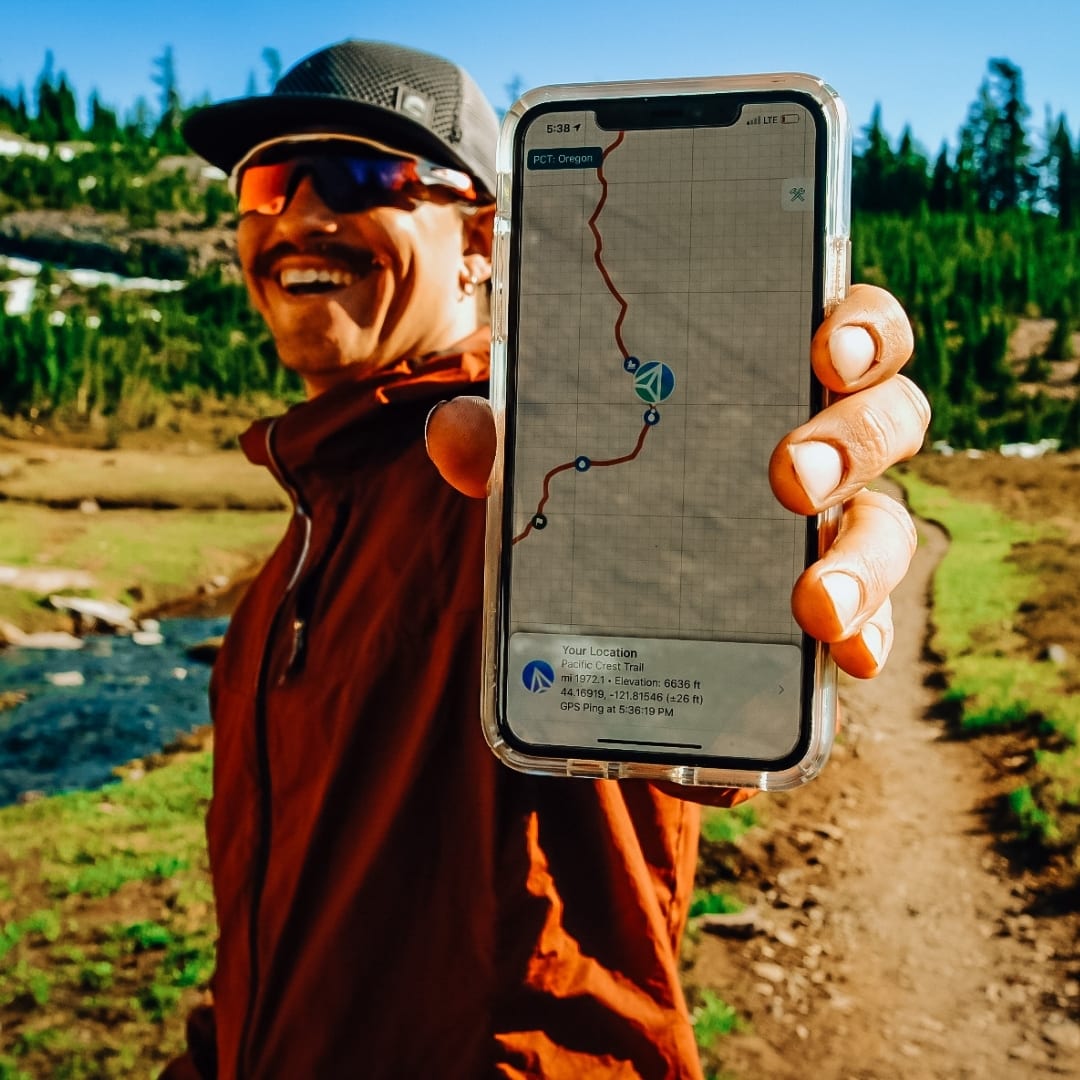
1. Turn off your cellular data, Bluetooth, GPS and WiFi when not in use. Or turn your phone on airplane mode when you’re in areas with no cell service.
2. Download offline maps and photos ahead of time so you aren’t using up your battery downloading them on trail.
3. Turn your phone completely off (or at least put it in airplane mode) while charging it from the external battery or you can accidentally drain both the phone and the battery!
4. Reduce display & brightness to a minimal level. A brighter screen uses a lot more power than a dim screen.
5. Use a dark background (wallpaper) on your screen. A bright white background uses more power than a dark background. Or turn your phone on “night mode”.
6. Set your screen timeout to the shortest possible time.
7. Turn off push notifications for apps that you don’t use or want to be notified of while on trail.
8. Do not leave apps running when not in use. Make sure to close out of them or completely quit them.
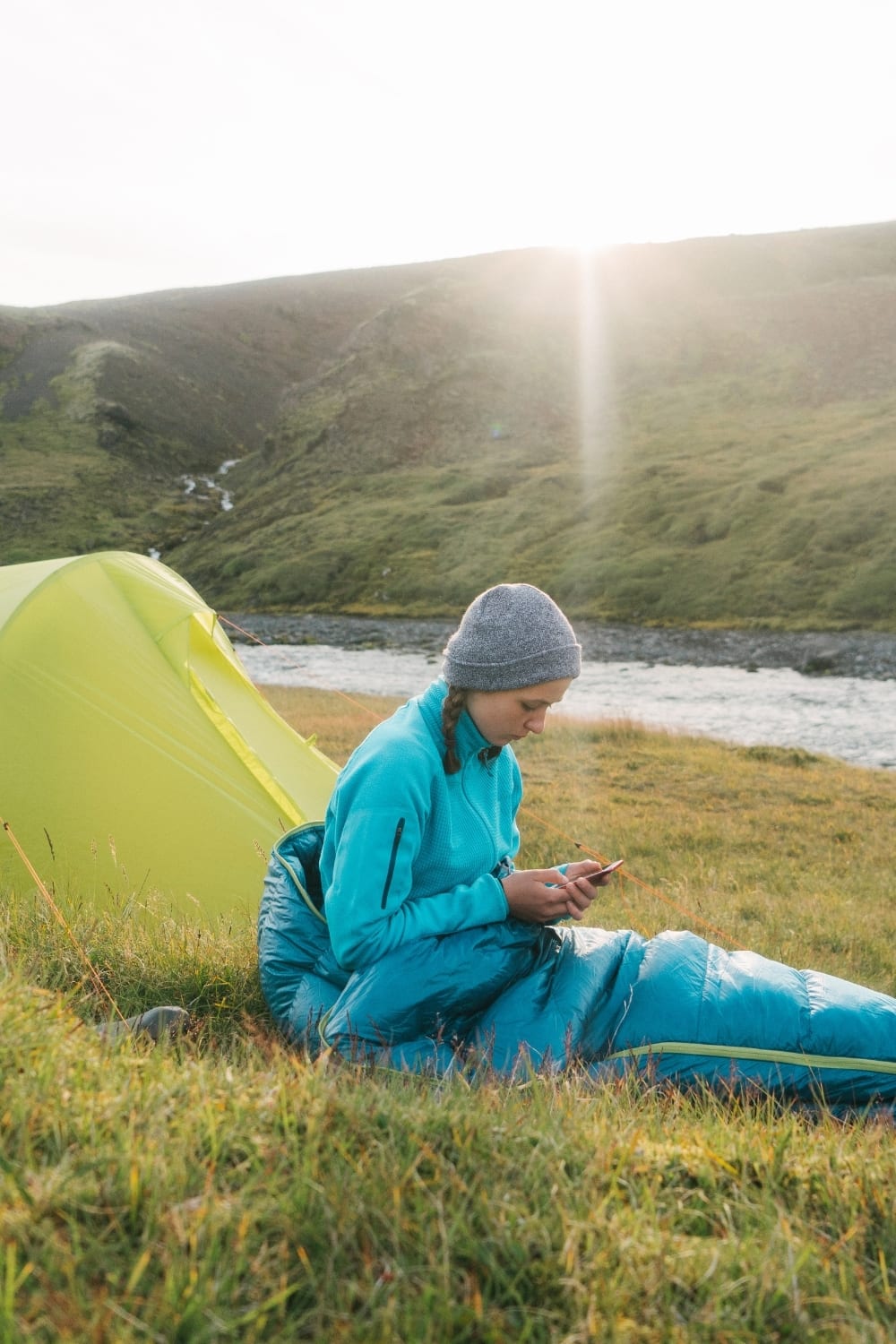
9. Avoid exposing your phone to extreme temperatures (e.g. put it in your sleeping bag at night when it’s cold and keep it out of the hot sun during the day).
10. Android users: carry an extra device battery rather than a heavier external battery.
Want to keep up with all that’s going on at Atlas Guides? Sign up for our newsletter!
Read more!
Check out some related blog posts!
Download our popular hiking and biking guides!
Trail guides that get you to places you’ve dreamed of.
As the makers of Guthook Guides, Bikepacking Guides, and Cyclewayz, we help you navigate the most popular trails around the world on your smartphone. Our hiking guides and biking guides work completely offline. Let Guthook guide your next adventure!
Showers Lake Vista, Tahoe Rim Trail
Photo courtesy of the Tahoe Rim Trail Association
Showers Lake Vista, Tahoe Rim Trail
Photo courtesy of the Tahoe Rim Trail Association
Trail guides that get you to places you’ve dreamed of.
As the makers of Guthook Guides, Bikepacking Guides, and Cyclewayz, we help you navigate the most popular trails around the world on your smartphone. Our hiking guides and biking guides work completely offline. Let Guthook guide your next adventure!
Download our popular hiking and biking guides!
About the Author
Paul Bodnar
Paul has always liked hiking and thru-hiked the Pacific Crest Trail in 1997 after college. After years of working in chemistry, he wanted to create a career involving the outdoors, so he hiked the Pacific Crest Trail again in 2010 to do research for his guide book Pocket PCT. He realized that creating a smartphone app for navigating the outdoors would make it easier to keep the data current and provide a better way to navigate. While hiking with Ryan (aka Guthook) in 2010, they decided to work together to create the first comprehensive smartphone guide for the Pacific Crest Trail. Now with the help of a team of great people they have created over 50 guides for trails around the world.

9 Luxury Items to Consider Bringing on Your Thru-Hike
Planning an adventure? Check out our popular trail guides! 4.8 stars (17K+ ratings)
9 Luxury Items to Consider Bringing on Your Thru-Hike
A luxury item can make a huge difference on your thru-hike. Yes, it’s still important to watch your pack weight, but sometimes a luxury item can actually save a hike by bringing some much needed comfort to you or your hiking partner. Here are some items you may want to consider bringing with you on your next thru-hike or backpacking trip.
Paul Bodnar Educational 02/18/2021
Paul Bodnar
Educational
2/18/2021

1. Waterproof Kindle (E-reader)
The waterproof Kindle reader (6.8 ounces or 191 grams) weighs less than a typical paperback book. This is a popular choice on trail because you can read an almost unlimited number of books with ease.
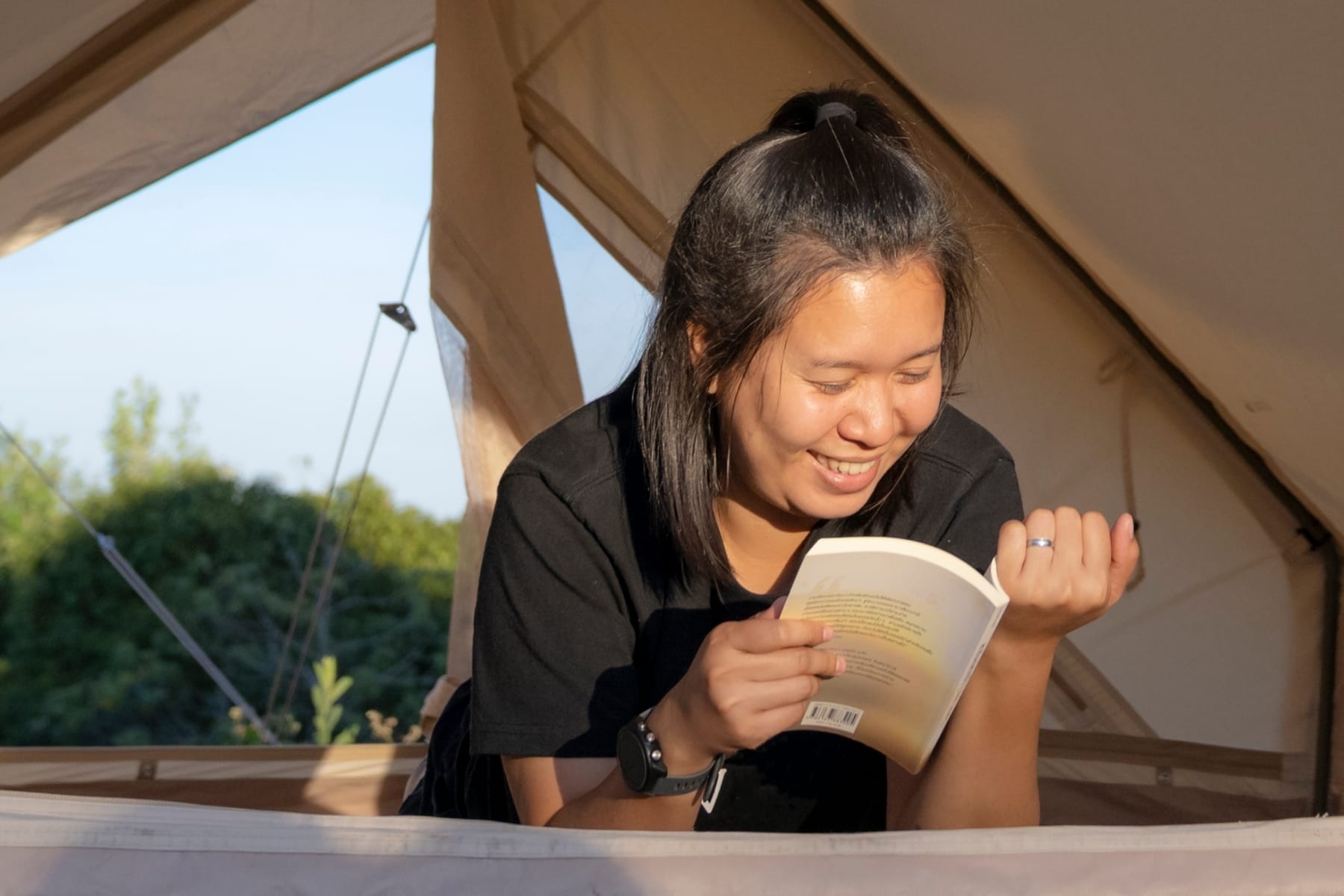
2. Paperback Book
If you are worried about electronics failing then carrying a good paperback book might be the best solution. Packing it in a plastic sealable bag will keep it safe from the elements. A typical small paperback book weighs around 10 ounces or 283 grams, but weight can vary.
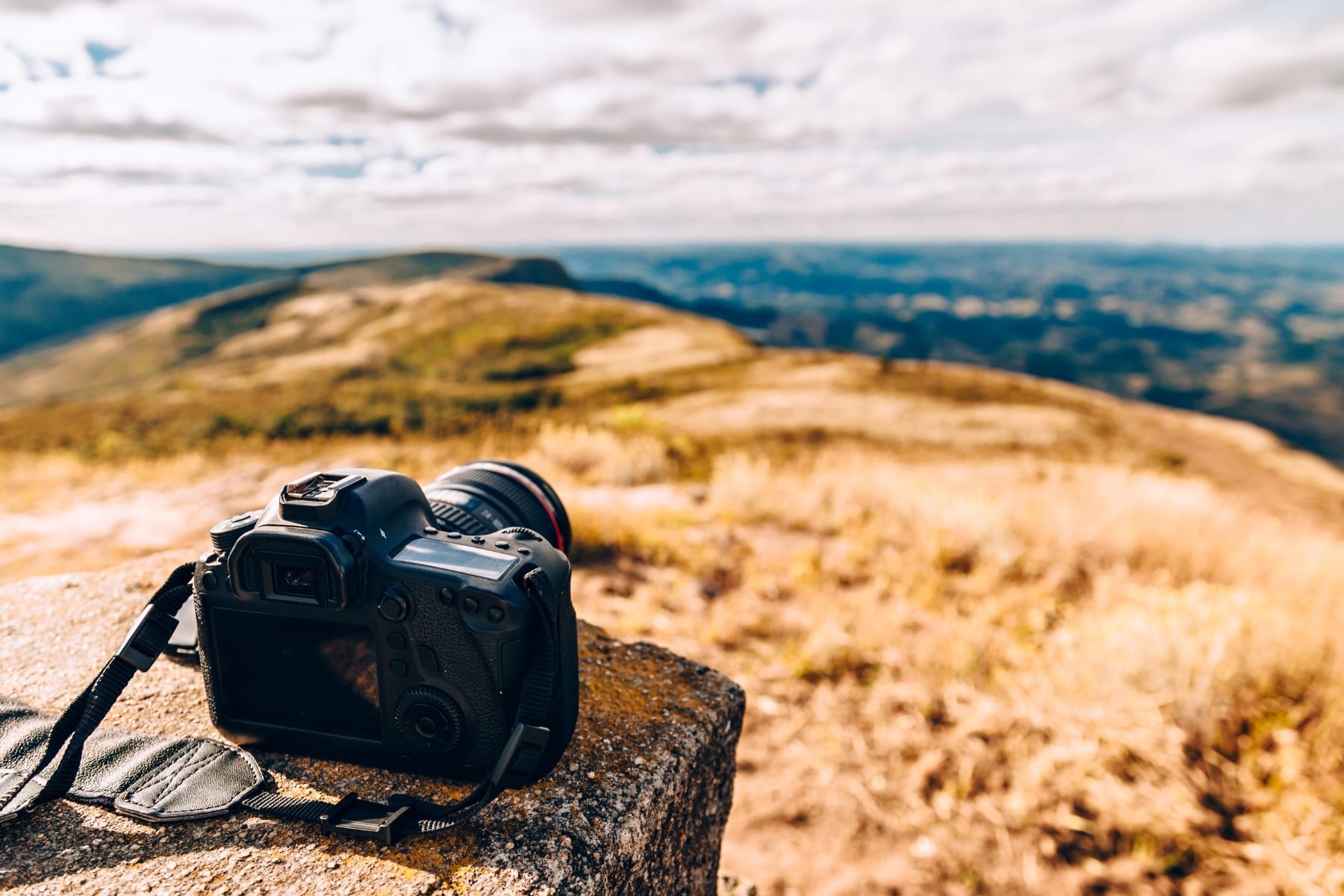
3. Digital SLR or Mirrorless Camera
Most people use their smartphone to capture all their pictures nowadays, but carrying a digital or mirrorless camera (with the knowledge on how to properly use it) will give you the chance to take some really nice photos that your smartphone might not be able to measure up to. A lightweight mirrorless camera can weigh around 12 ounces or 340 grams. A lightweight DSLR camera can weigh around 16 ounces or 454 grams. Although you could find ones that are lighter, most DSLRs you find will probably be heavier.
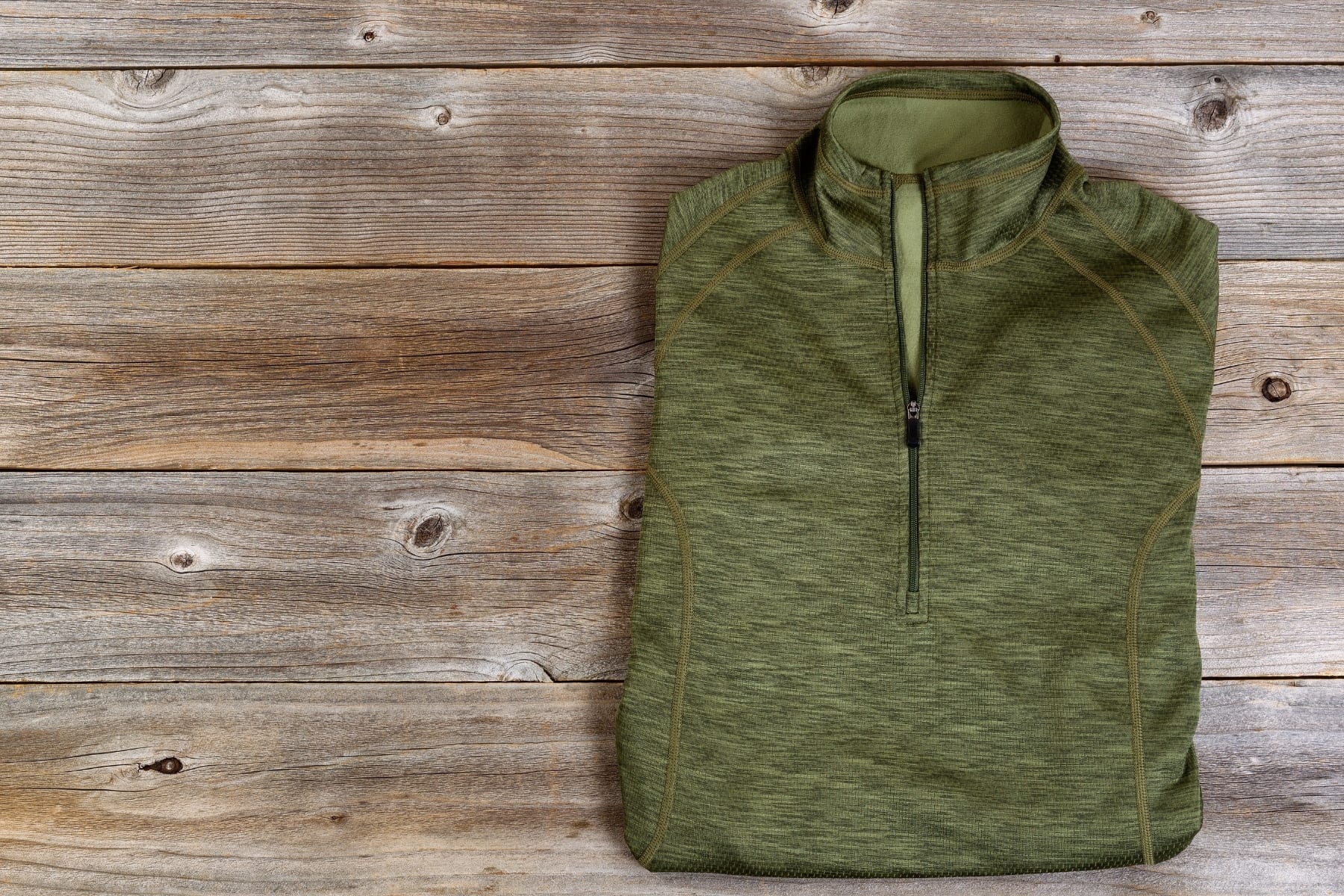
4. Town Shirt
A lightweight town shirt can bring a bit of needed separation from your “hikertrash life” on trail. It might feel so nice to change into a town shirt while you wash your smelly hiking/trail shirt at the local laundromat or in your hotel bathroom sink. The weight of a town shirt will vary depending on the fabric and size, but you can expect a town shirt to typically weigh between 4 to 6 ounces or 113 to 170 grams.
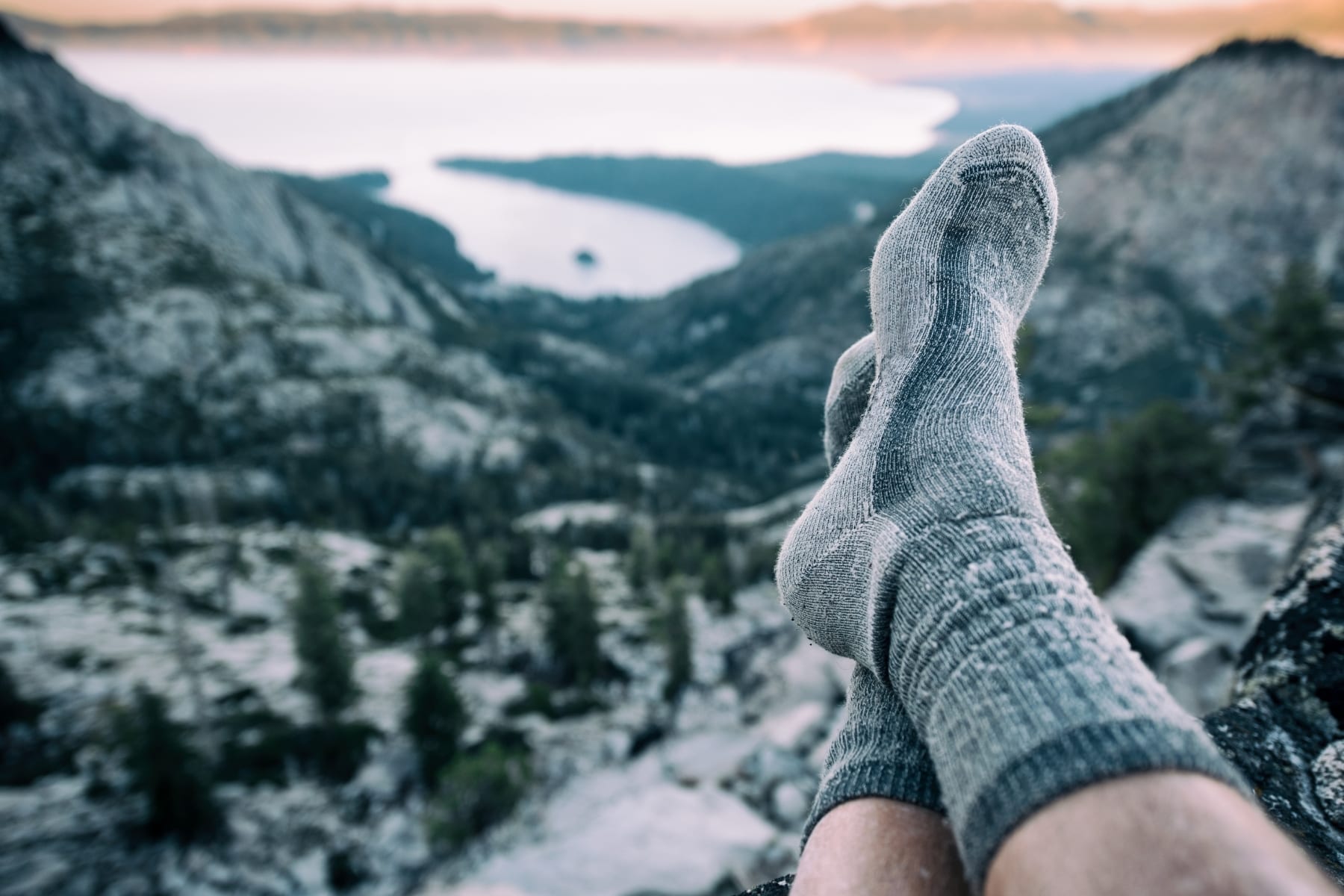
5. Extra Socks
An extra pair of clean socks can make a world of difference. You can deem them your “sleep socks” and wear them at night while you sleep, or you may just want to change into them on a day when you can no longer take your smelly trail socks that you’ve been hiking in for nine days straight. A typical pair of lightweight hiking socks can weigh about 2.3 ounces or 65 grams.
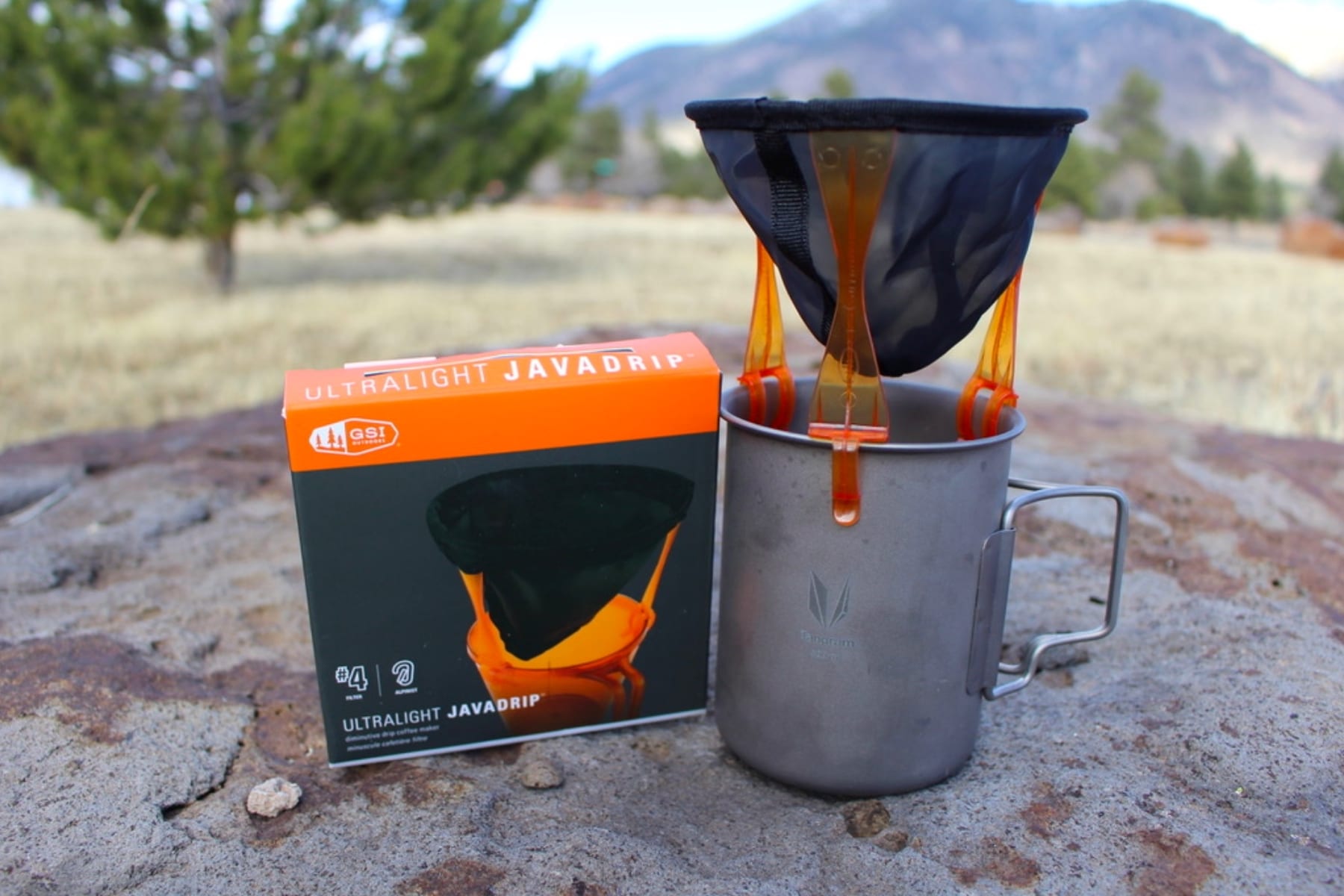
6. Coffee Maker
With a little planning it is possible to have a great tasting cup of coffee outdoors. If you’re a coffee addict like me, then you know you won’t be able to go a day without having that morning cup of joe first thing when you wake up. Bringing a lightweight, outdoor coffee maker might just be worth the extra weight. My favorite coffee maker is the GSI Outdoors Ultralight Java Drip and it only weighs 11 grams and costs $9.

7. Flying Disc or Frisbee
A flying disk or Frisbee can bring a lot of fun to a boring day at camp. It can also be a fun activity to do with other hikers in town while you’re waiting for your clothes to dry or a store to open. Weights will vary depending on the size and material, but a lightweight flying disc can typically weigh around 4.3 ounces or 122 grams.
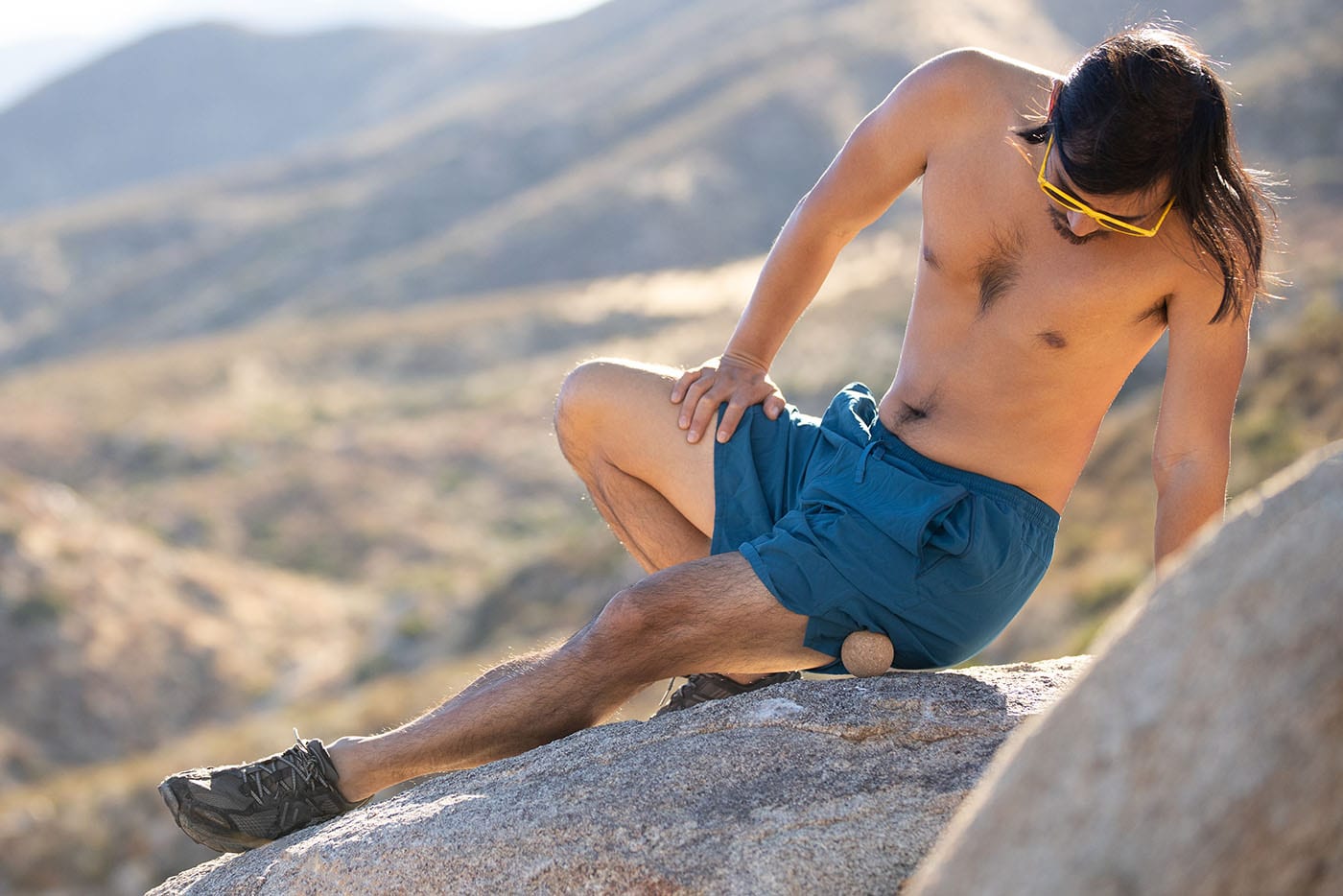
Photo credit: Rawlogy
8. Massage Ball
A massage ball can relieve soreness, discomfort and tightness which a lot of hikers experience every day on trail. Carrying a small massage ball with you may just be your saving grace when you get into camp and can’t take the pain in your foot or shoulder. Massage balls can weigh less than 0.7 ounces or 20 grams.

9. Camp Shoes
When most people get to camp after a long day of hiking, the first thing they want to do is take their backpack off and then their shoes. Having a pair of camp shoes, like Crocs or flip flops, to wear after taking your hiking shoes off can feel so nice. Although Crocs aren’t the most lightweight camp shoe, weighing around 12 ounces or 340 grams, they are waterproof and will be less likely to break than flip flops a few months into your hike.
My Luxury Item Top Pick:
My favorite luxury item is my GSI Outdoors Ultralight Java Drip coffee maker (11 grams). It doesn’t always make it into my pack but when it does I enjoy sharing a good morning coffee with friends.
Want to keep up with all that’s going on at Atlas Guides? Sign up for our newsletter!
Read more!
Check out some related blog posts!
Download our popular hiking and biking guides!
Trail guides that get you to places you’ve dreamed of.
As the makers of Guthook Guides, Bikepacking Guides, and Cyclewayz, we help you navigate the most popular trails around the world on your smartphone. Our hiking guides and biking guides work completely offline. Let Guthook guide your next adventure!
Showers Lake Vista, Tahoe Rim Trail
Photo courtesy of the Tahoe Rim Trail Association
Showers Lake Vista, Tahoe Rim Trail
Photo courtesy of the Tahoe Rim Trail Association
Trail guides that get you to places you’ve dreamed of.
As the makers of Guthook Guides, Bikepacking Guides, and Cyclewayz, we help you navigate the most popular trails around the world on your smartphone. Our hiking guides and biking guides work completely offline. Let Guthook guide your next adventure!
Download our popular hiking and biking guides!
About the Author
Paul Bodnar
Paul has always liked hiking and thru-hiked the Pacific Crest Trail in 1997 after college. After years of working in chemistry, he wanted to create a career involving the outdoors, so he hiked the Pacific Crest Trail again in 2010 to do research for his guide book Pocket PCT. He realized that creating a smartphone app for navigating the outdoors would make it easier to keep the data current and provide a better way to navigate. While hiking with Ryan (aka Guthook) in 2010, they decided to work together to create the first comprehensive smartphone guide for the Pacific Crest Trail. Now with the help of a team of great people they have created over 50 guides for trails around the world.
8 Things You Should Do to Prepare for a Thru-hike
Planning an adventure? Check out our popular trail guides! 4.8 stars (17K+ ratings)
8 Things You Should Do to Prepare for a Thru-hike
Preparing for a thru-hike or long-distance backpacking trip can be overwhelming if you don't have a plan. Here are 8 steps to get you started on your incredible journey. Yes, it will be more complicated than just following these steps, but this is a good start.
Paul Bodnar Educational 01/28/2021
Paul Bodnar
Educational
1/28/2021
1. Research the different trails and the best times to hike.
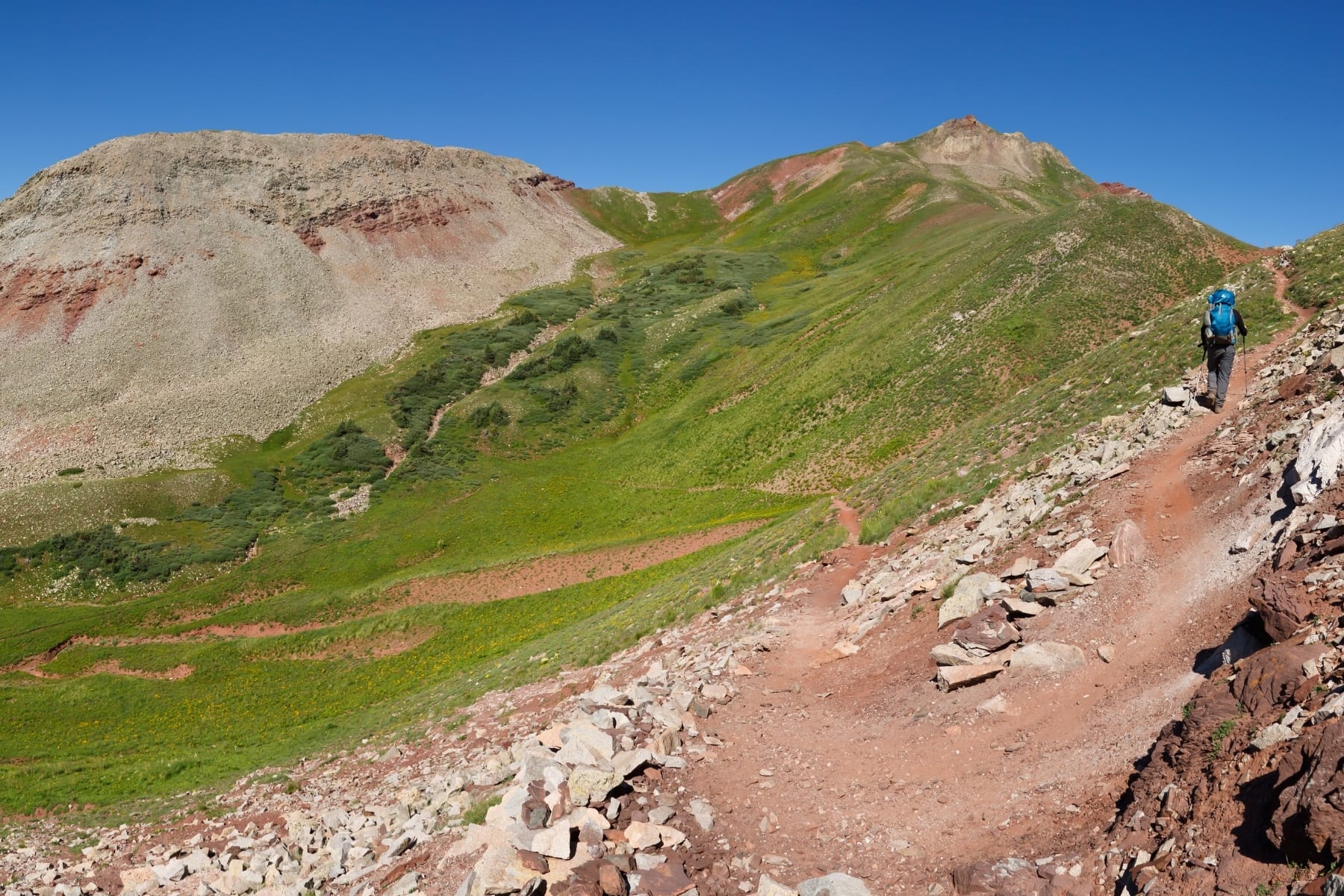
Each trail provides a different experience and hiking in different months of the year can also change the experience. For example hiking the John Muir Trail in May or June is a completely different experience than hiking in July and August. Some trails are more traveled and others can be very isolated. Check out our guides to find the best trail for you.
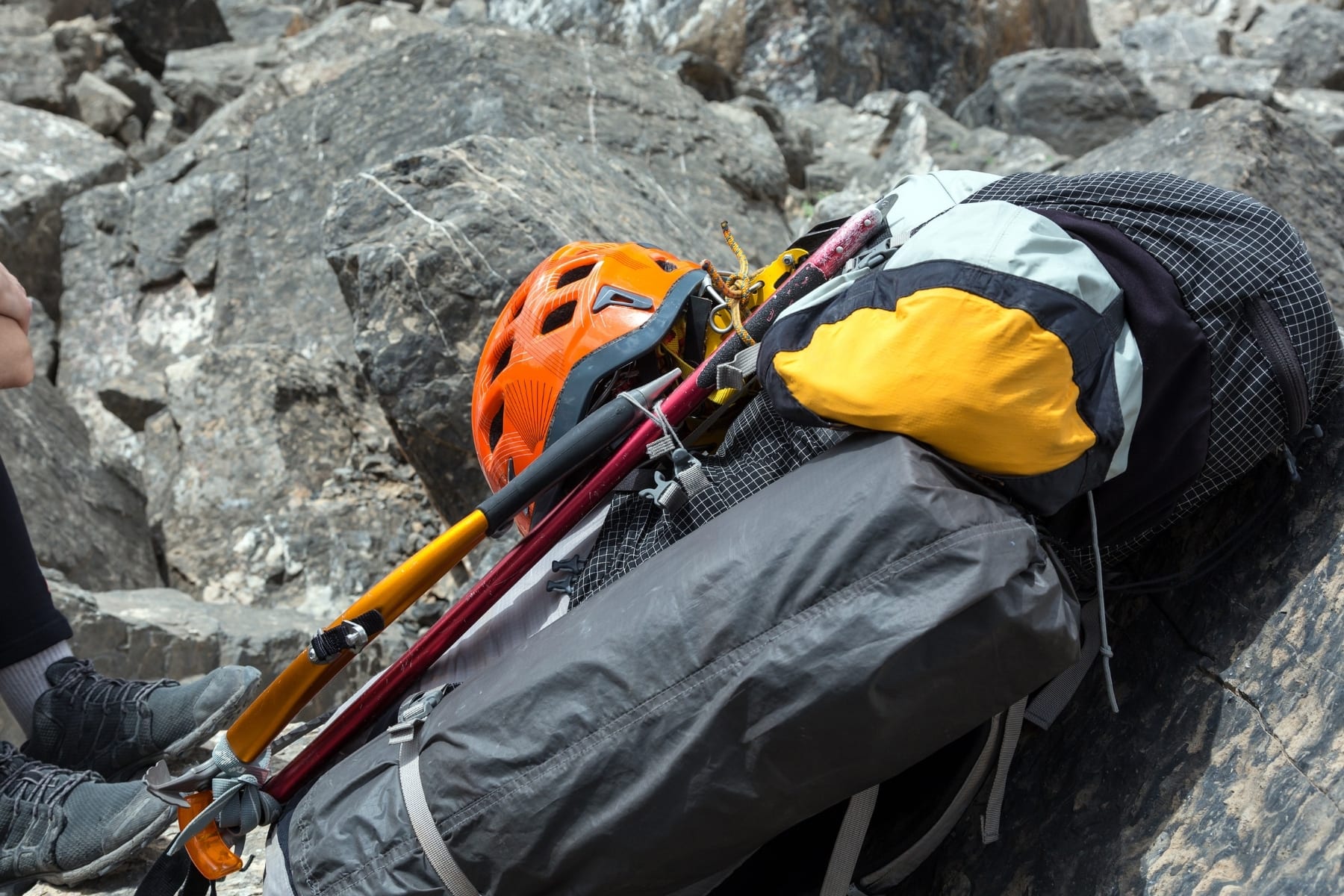
2. Research the gear you will need.
Different trails will require different gear. For example you might need an ice-axe and microspikes if you are thru-hiking the Pacific Crest Trail. These requirements can also change depending on time of the hike and winter snow conditions. But there is a lot of common backpacking equipment you need.
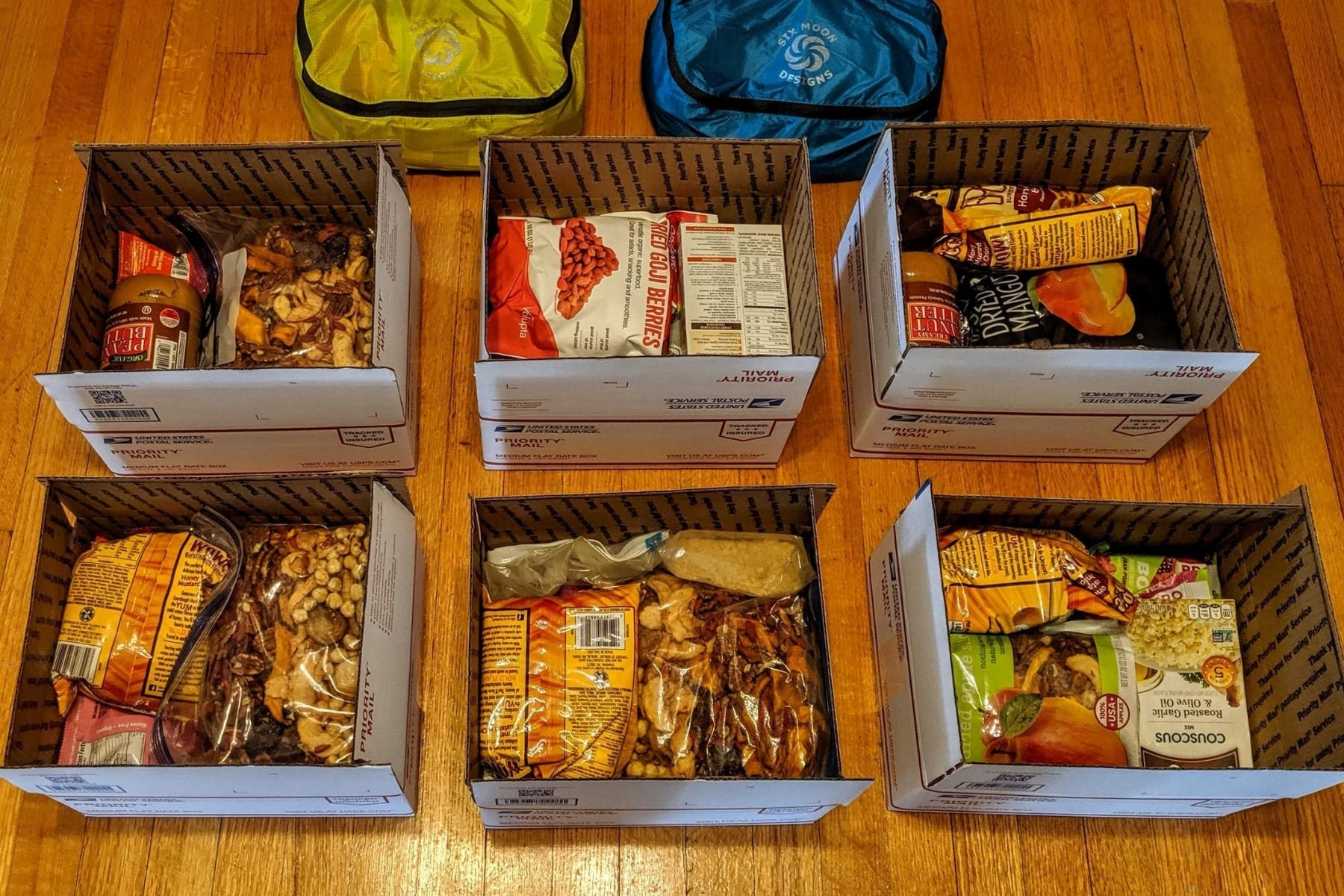
3. Research your resupply strategy.
Some trails are easy to buy food along the trail and other trails require you to mail food ahead. Most hikers do a combination of the two. You can estimate food weight for a specific hike here.
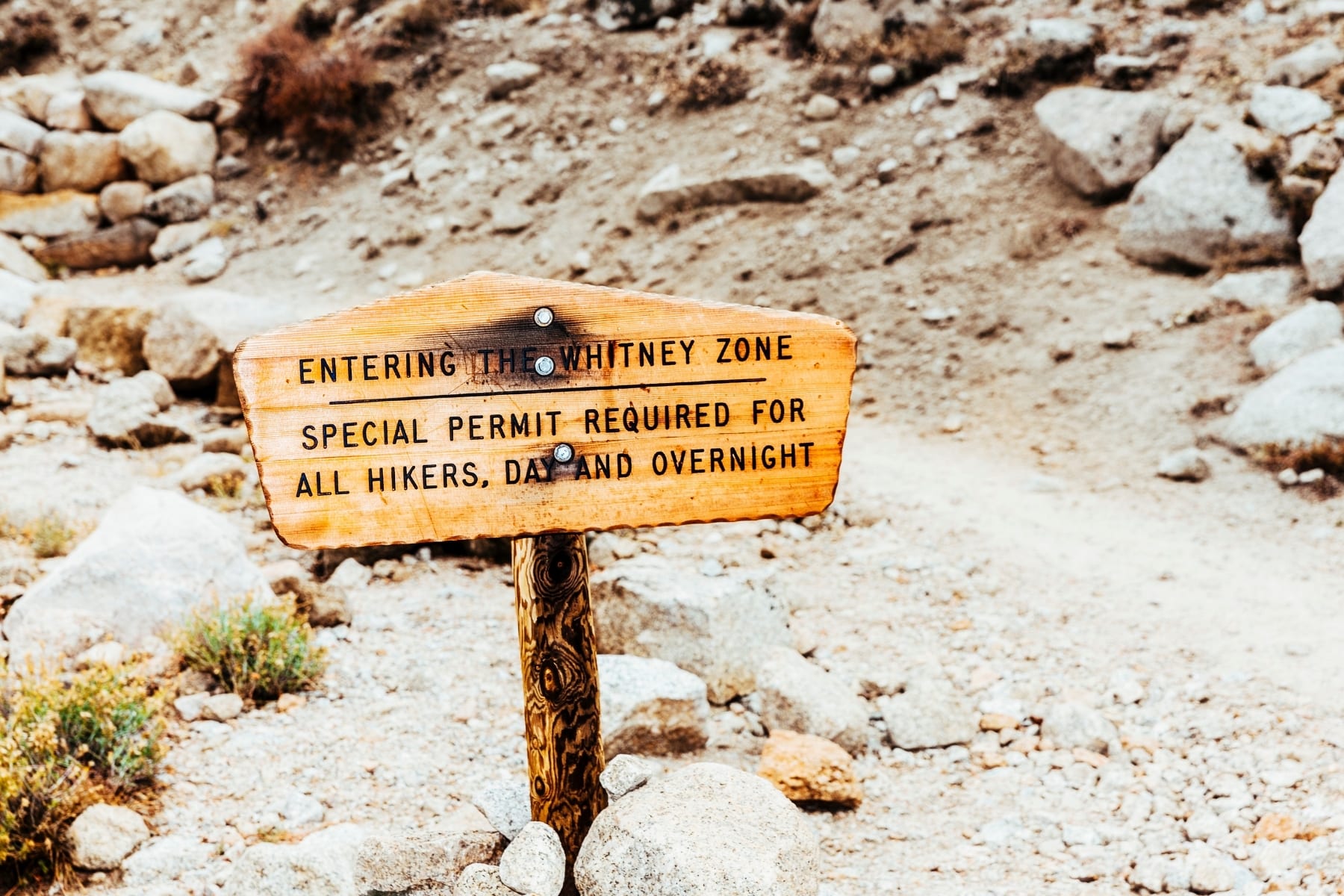
4. Research the permits you will need.
Some trails require permits and some don’t. We created a permit list for all of the trails we have guides for to make it easier to see.
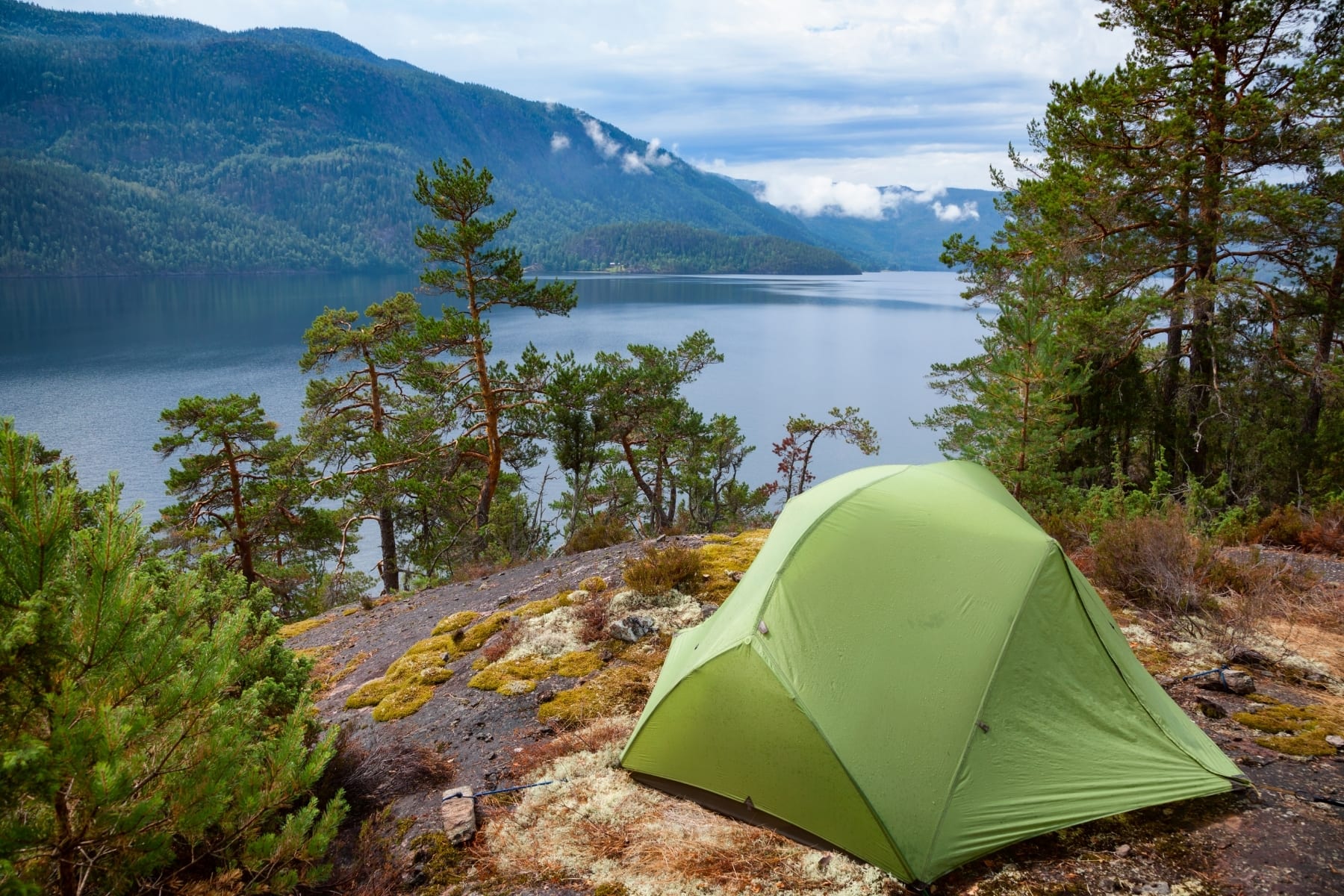
5. Go on short overnight test hikes
I recommend going on some short overnight hikes before your thru-hike to dial in your gear. In just one night of hiking you will have the time to test out almost all the gear you will be using on your thru-hike. It is almost guaranteed that you will find things you can improve or will want to change.
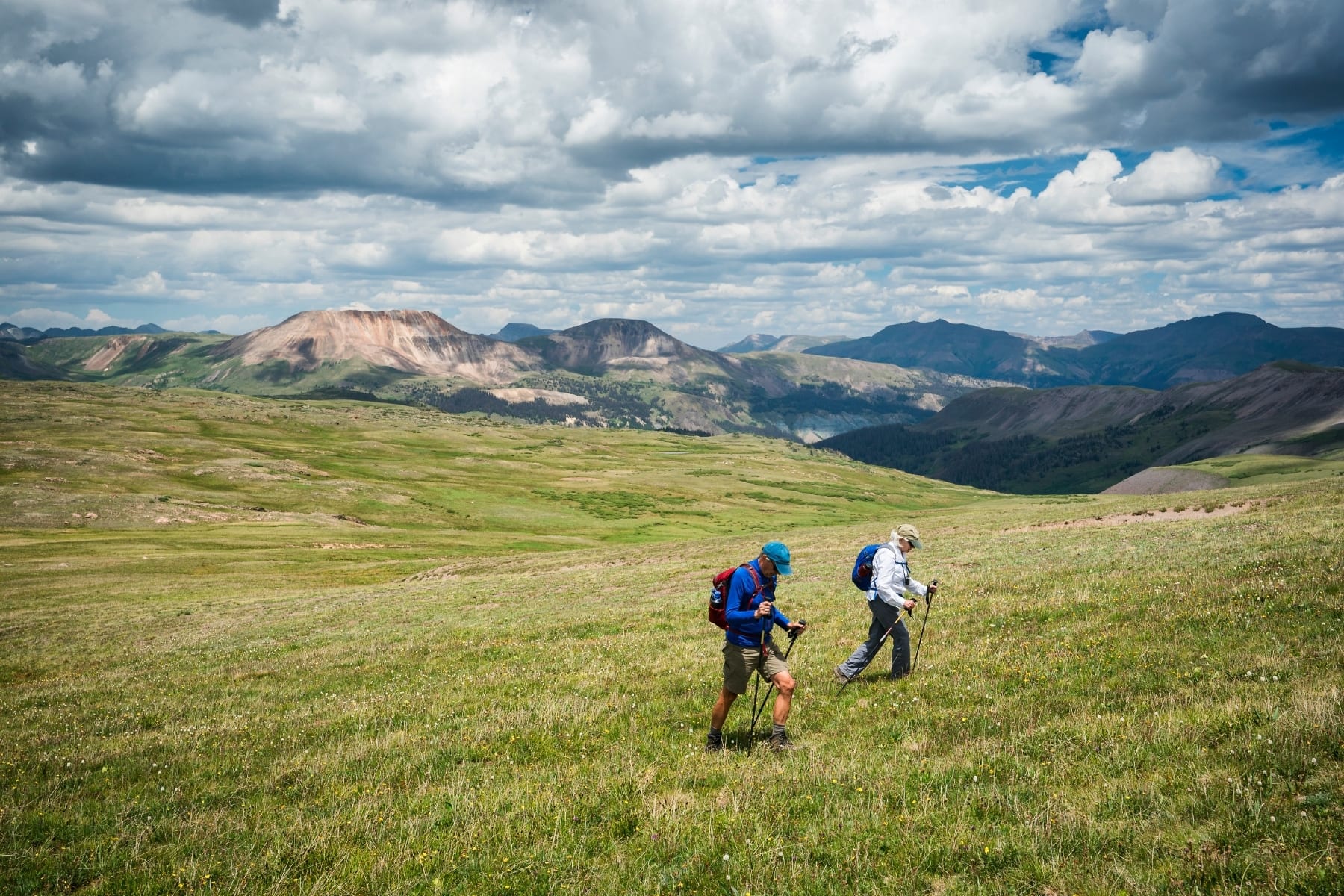
6. Make sure to train beforehand
The best way to get into physical shape is to practice hiking with your pack on. Select hikes with elevation changes similar to the trail you are hiking. I would recommend starting out with hiking just a mile or two on more level terrain. Then gradually increasing the miles and slope until you can easily hike the lower end of your daily mileage of your long-distance hike.

7. Start saving
Make sure you have enough money for your specific thru-hike. The cost of your hike can vary a lot depending on the length of the hike and your town spending. Check out our thru-hiking cost calculator here:

8. Make it fun
Preparing should be fun. Researching, buying new equipment, and learning about your hike should be fun. If you feel overwhelmed it is okay to take a couple of days off and relax.
Want to keep up with all that’s going on at Atlas Guides? Sign up for our newsletter!
Read more!
Check out some related blog posts!
Download our popular hiking and biking guides!
Trail guides that get you to places you’ve dreamed of.
As the makers of Guthook Guides, Bikepacking Guides, and Cyclewayz, we help you navigate the most popular trails around the world on your smartphone. Our hiking guides and biking guides work completely offline. Let Guthook guide your next adventure!
Showers Lake Vista, Tahoe Rim Trail
Photo courtesy of the Tahoe Rim Trail Association
Showers Lake Vista, Tahoe Rim Trail
Photo courtesy of the Tahoe Rim Trail Association
Trail guides that get you to places you’ve dreamed of.
As the makers of Guthook Guides, Bikepacking Guides, and Cyclewayz, we help you navigate the most popular trails around the world on your smartphone. Our hiking guides and biking guides work completely offline. Let Guthook guide your next adventure!
Download our popular hiking and biking guides!
About the Author
Paul Bodnar
Paul has always liked hiking and thru-hiked the Pacific Crest Trail in 1997 after college. After years of working in chemistry, he wanted to create a career involving the outdoors, so he hiked the Pacific Crest Trail again in 2010 to do research for his guide book Pocket PCT. He realized that creating a smartphone app for navigating the outdoors would make it easier to keep the data current and provide a better way to navigate. While hiking with Ryan (aka Guthook) in 2010, they decided to work together to create the first comprehensive smartphone guide for the Pacific Crest Trail. Now with the help of a team of great people they have created over 50 guides for trails around the world.

How to Make an Ultralight Glasses Case for Your Thru-Hike
Planning an adventure? Check out our popular trail guides! 4.8 stars (17K+ ratings)
How to Make an Ultralight Glasses Case for Your Thru-Hike
Regular eyeglasses cases are heavy. We came up with a better, ultralight idea for you to consider for your thru-hiking or backpacking trip.
Paul Bodnar Gear Review 11/05/2020
Paul Bodnar
Gear Review
11/05/2020
NOT Ultralight:
Standard glasses cases weigh a lot. I measured the weight of three standard glasses cases, which weigh between 102 to 121 grams (3.6 to 4.3 ounces) with an average weight of 114 grams (4 ounces).
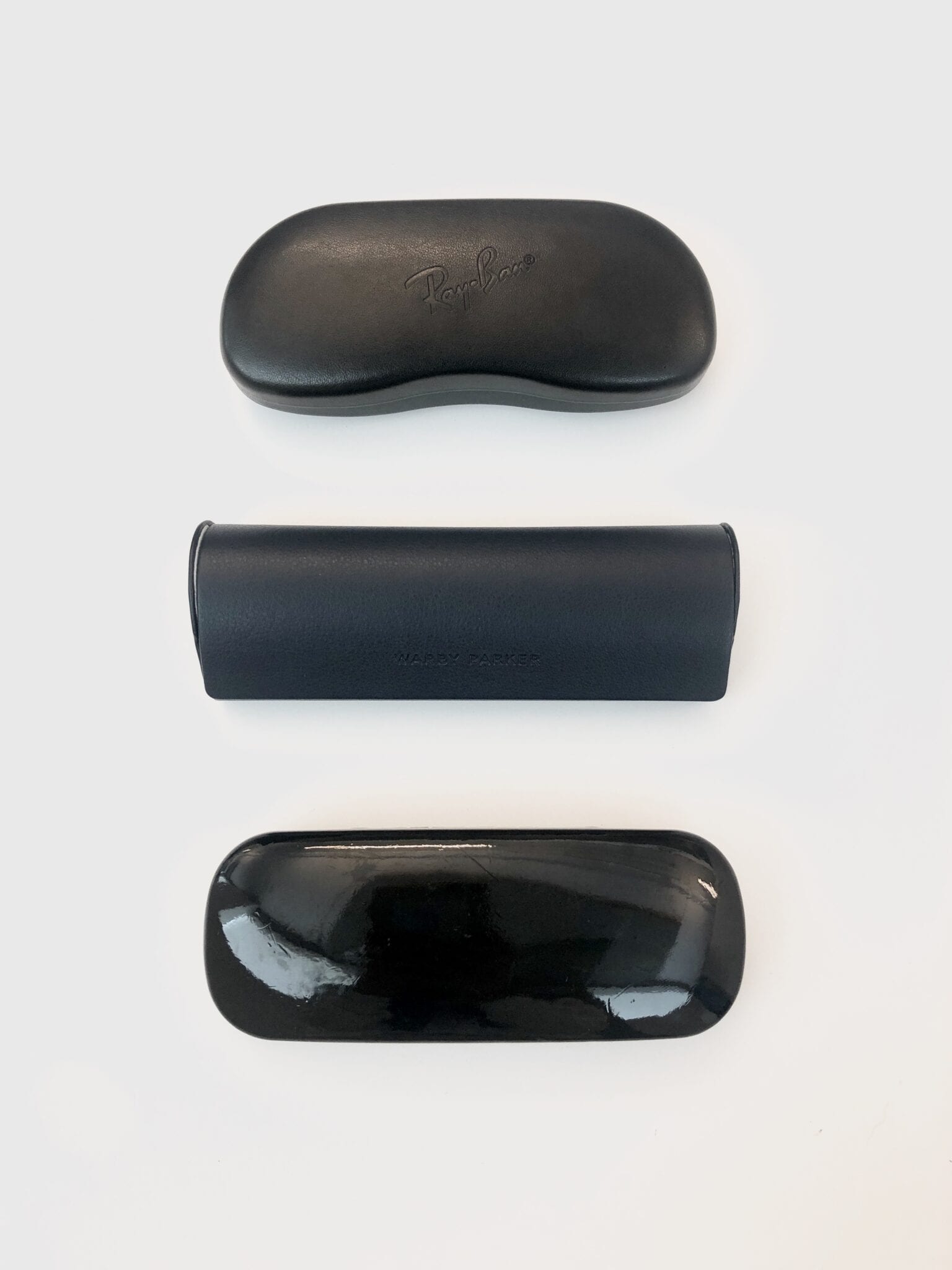
Three standard glasses cases: average weight 4 ounces.
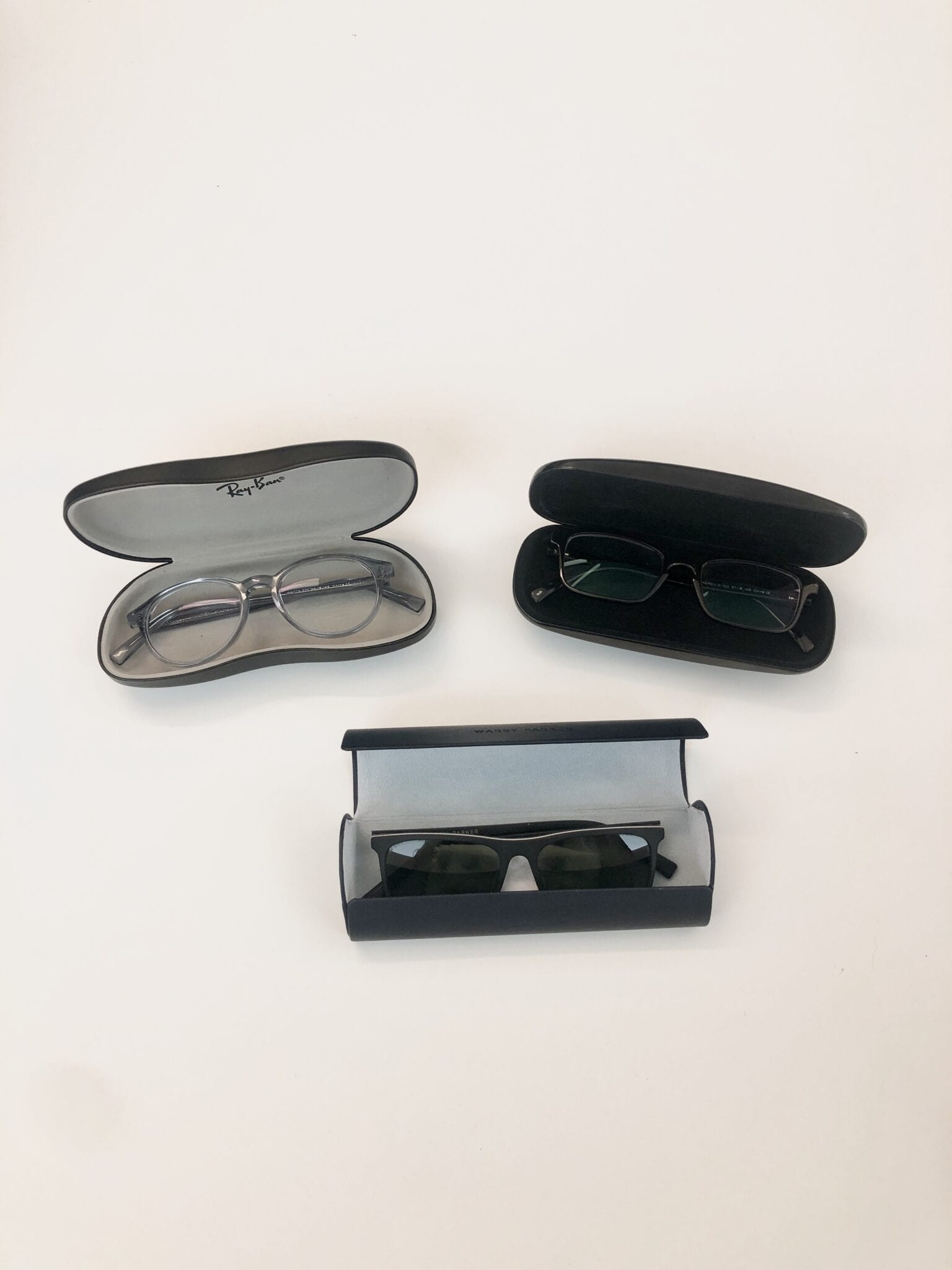
Standard glasses cases with eyeglasses inside.
How to Make it Ultralight:
Use a Crystal Light container as your glasses case! It brings the weight down to 30 grams or 1.06 ounces.
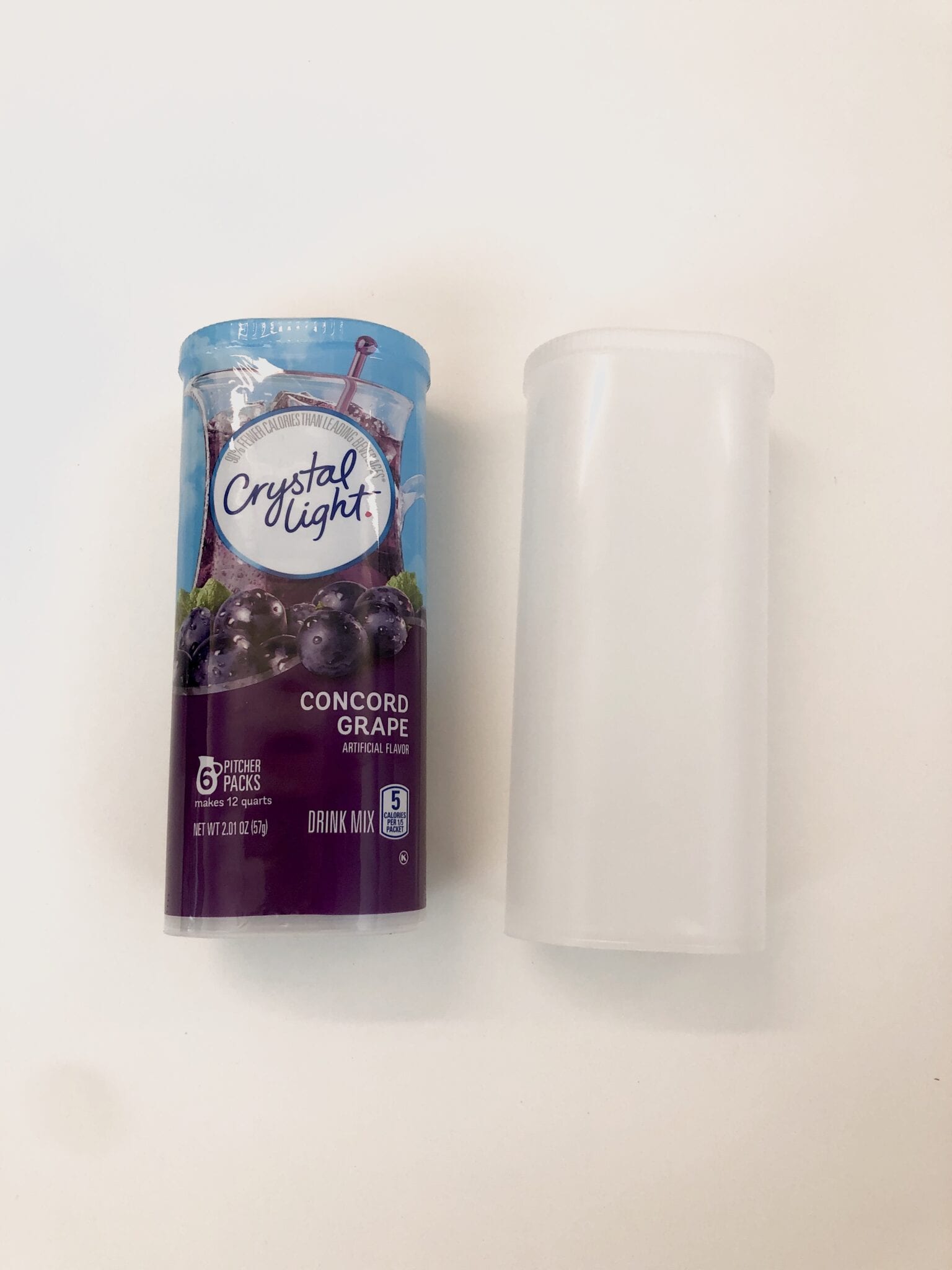
Left: Crystal Light. Right: wrapper removed -> glasses case!
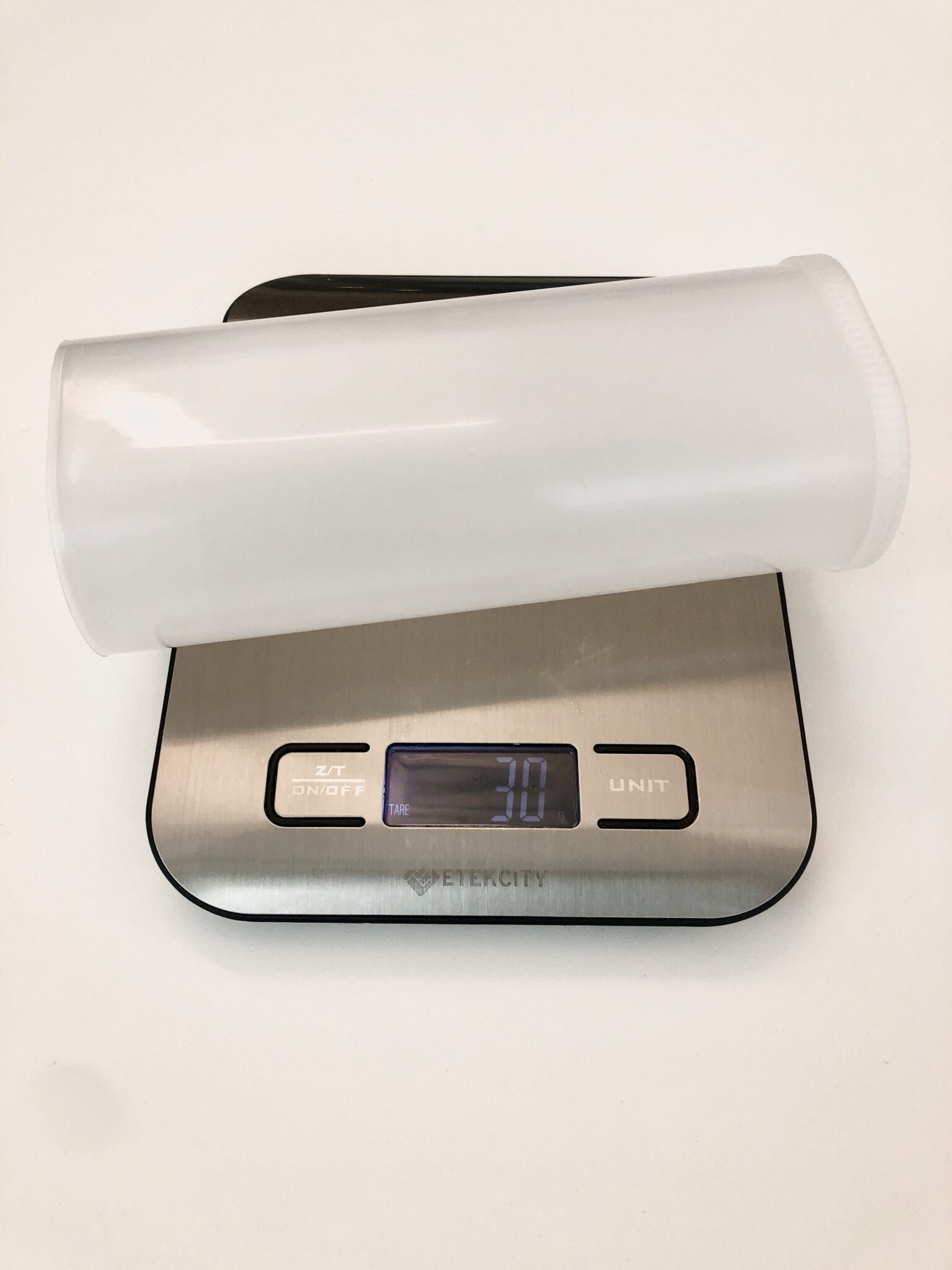
Only 30 grams! Compare that to 114 grams for an average eyeglasses case.
The Crystal Lite case fits most large sunglasses or two normal sized eyeglasses. I recommend adding some padding inside to reduce any motion if your glasses are in your pack while you’re walking. A microfiber lens cleaning cloth makes great padding and also keeps your glasses clean without scratching the lenses.
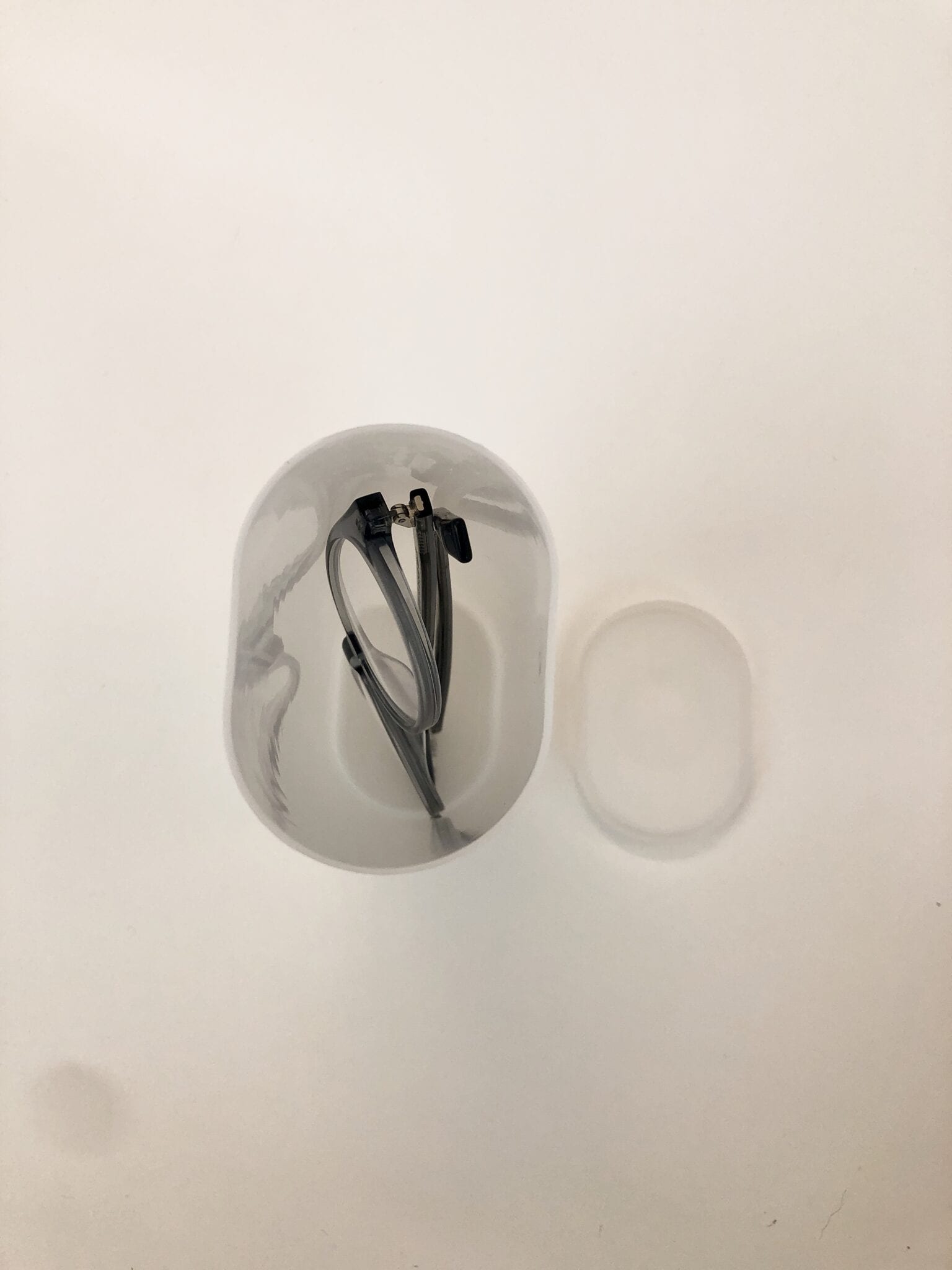
Standard eyeglasses in Crystal Lite container – no padding.
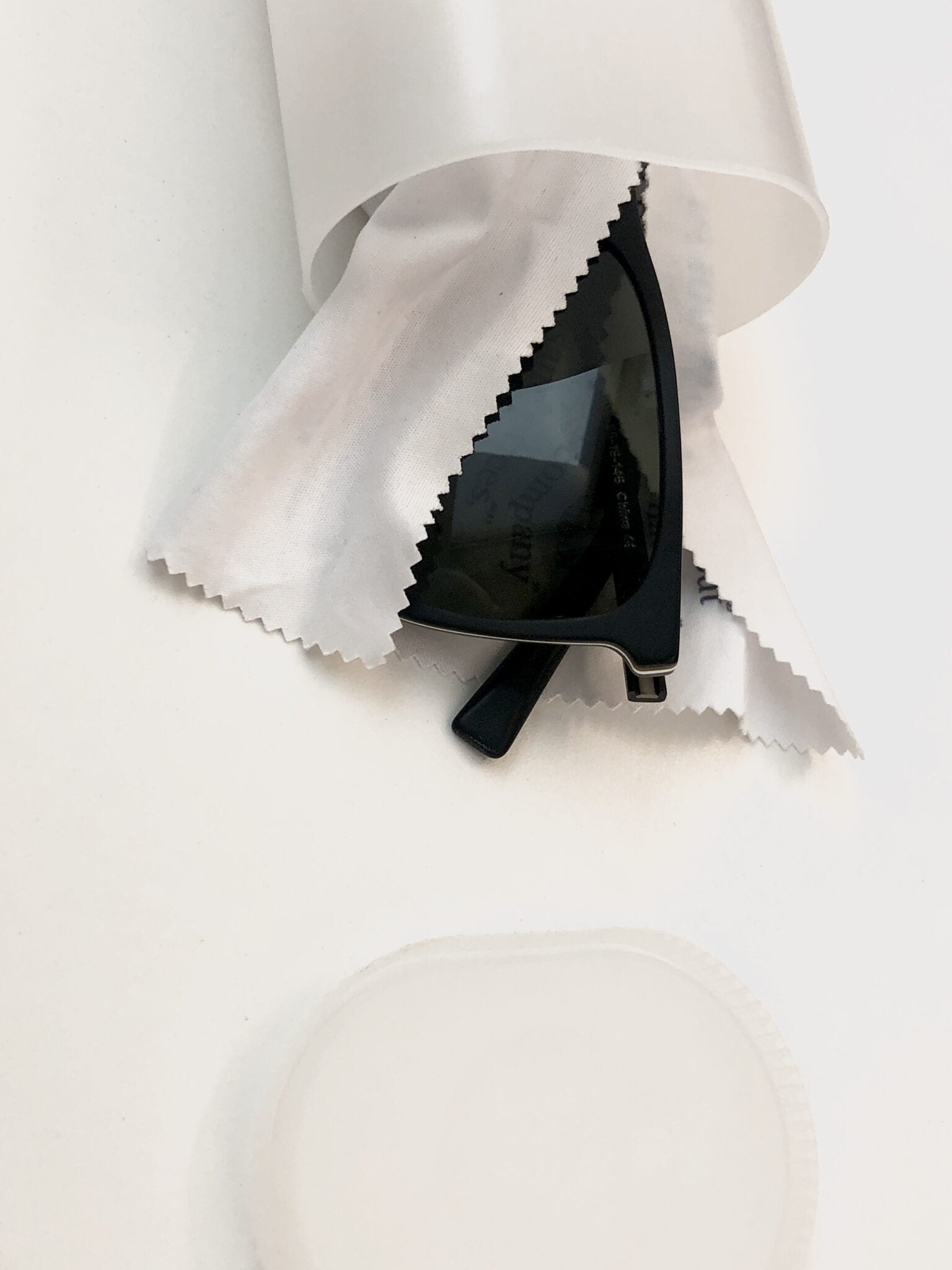
Standard prescription sunglasses, wrapped in a microfiber cloth.
Read more!
Check out some related blog posts!

Download our popular hiking and biking guides!
Trail guides that get you to places you’ve dreamed of.
As the makers of Guthook Guides, Bikepacking Guides, and Cyclewayz, we help you navigate the most popular trails around the world on your smartphone. Our hiking guides and biking guides work completely offline. Let Guthook guide your next adventure!
Showers Lake Vista, Tahoe Rim Trail
Photo courtesy of the Tahoe Rim Trail Association
Showers Lake Vista, Tahoe Rim Trail
Photo courtesy of the Tahoe Rim Trail Association
Trail guides that get you to places you’ve dreamed of.
As the makers of Guthook Guides, Bikepacking Guides, and Cyclewayz, we help you navigate the most popular trails around the world on your smartphone. Our hiking guides and biking guides work completely offline. Let Guthook guide your next adventure!
Download our popular hiking and biking guides!
About the Author
Paul Bodnar
Paul has always liked hiking and thru-hiked the Pacific Crest Trail in 1997 after college. After years of working in chemistry, he wanted to create a career involving the outdoors, so he hiked the PCT again in 2010 to do research for his guide book, Pocket PCT. He realized that creating a smartphone app for navigating the outdoors would make it easier to keep the data current and provide a better way to navigate. While hiking with Ryan (aka Guthook) in 2010, they decided to work together to create the first comprehensive smartphone guide for the PCT.
Thru-Hiking 101: 4 Popular Fuel Canisters Compared
Planning an adventure? Check out our popular trail guides! 4.8 stars (17K+ ratings)
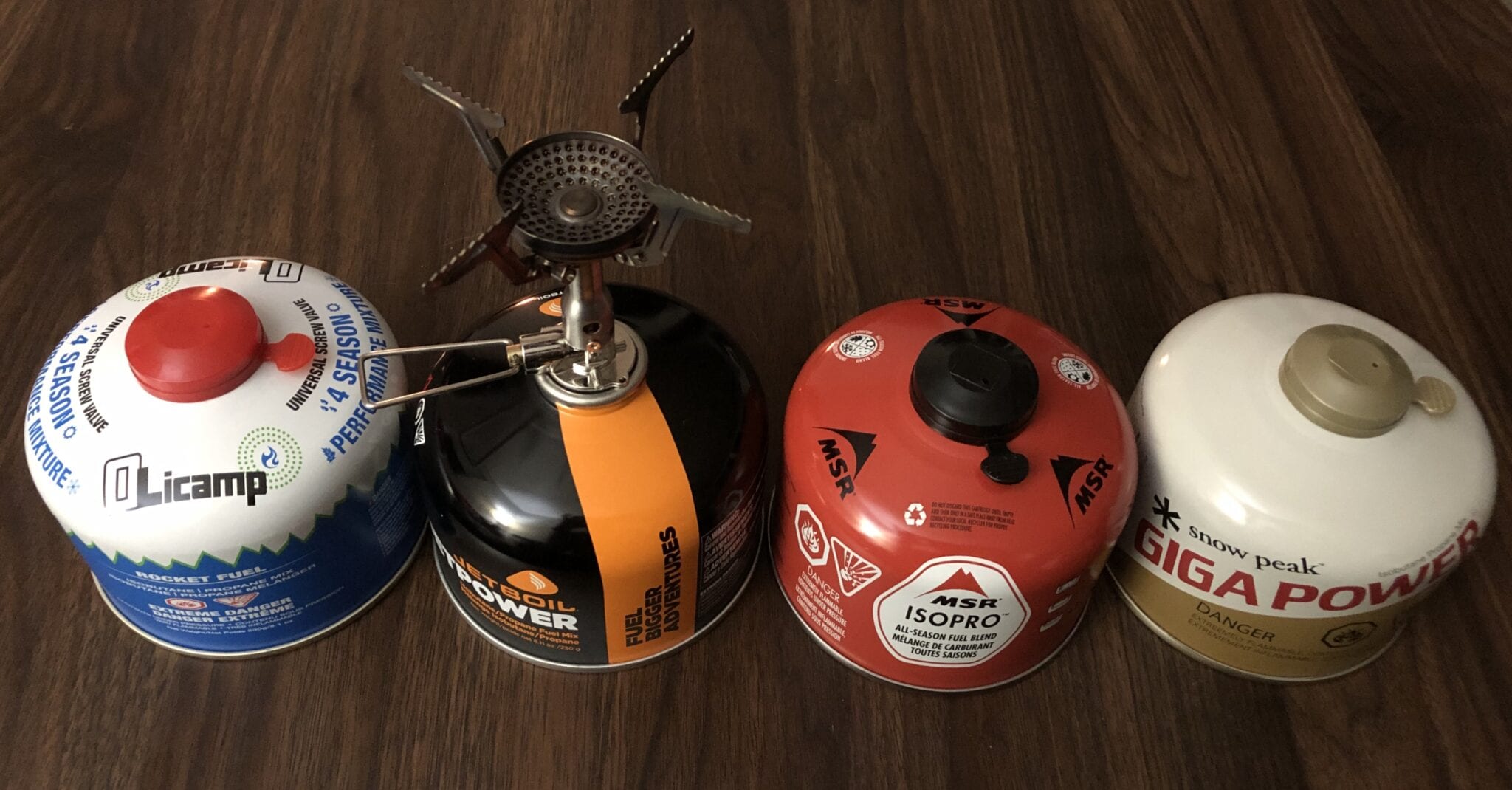
I analyzed the differences between the MSR IsoPro, Snow Peak Giga Power, OLicamp and the Jet Boil Jetpower fuel canisters to see which performed the best.
Paul Bodnar Educational 8/28/2020
Paul Bodnar
Educational
8/28/2020
We analyzed the differences between the MSR IsoPro, Snow Peak Giga Power, OLicamp Rocket Fuel and the Jet Boil JetPower fuel canisters. For the analysis I used full canisters (220 to 230 grams) and a new Soto Amicus stove.

For this test I heated 2 cups of room temperature water (72° F) to a boil (elevation of 5280 feet) using the maximum heat setting. I repeated this process three times for each brand of fuel and then averaged the values.

All the canisters tested boiled water in about 1 minute and 50 seconds (110 seconds) with an average consumption of 8 grams of fuel per boil. The MSR IsoPro brand performed on average one second better but the difference was not significant (<1%).

I believe the biggest decision in selecting a canister is determining the size not brand. The smaller fuel canisters (100 to 110-gram fuel weight) have a weight savings of around 170 grams (6 ounces) over the medium sized fuel canisters (220 to 230-gram fuel weight). But these smaller fuel canisters are almost double the cost per gram. If money isn’t a concern, then I would recommend the smaller lighter weight canisters. For the cost sensitive hiker, the medium sized canister provides a lot of value without adding too much weight.

CONCLUSION:
MSR IsoPro, Snow Peak Giga Power, OLicamp Rocket Fuel and the Jet Boil Jetpower fuel performed about the same.

Read more!
Check out some related blog posts!
Download our popular hiking and biking guides!
Trail guides that get you to places you’ve dreamed of.
As the makers of Guthook Guides, Bikepacking Guides, and Cyclewayz, we help you navigate the most popular trails around the world on your smartphone. Our hiking guides and biking guides work completely offline. Let Guthook guide your next adventure!
Showers Lake Vista, Tahoe Rim Trail
Photo courtesy of the Tahoe Rim Trail Association
Showers Lake Vista, Tahoe Rim Trail
Photo courtesy of the Tahoe Rim Trail Association
Trail guides that get you to places you’ve dreamed of.
As the makers of Guthook Guides, Bikepacking Guides, and Cyclewayz, we help you navigate the most popular trails around the world on your smartphone. Our hiking guides and biking guides work completely offline. Let Guthook guide your next adventure!
Download our popular hiking and biking guides!
About the Author
Paul Bodnar
Paul has always liked hiking and thru-hiked the Pacific Crest Trail in 1997 after college. After years of working in chemistry, he wanted to create a career involving the outdoors, so he hiked the Pacific Crest Trail again in 2010 to do research for his guide book Pocket PCT. He realized that creating a smartphone app for navigating the outdoors would make it easier to keep the data current and provide a better way to navigate. While hiking with Ryan (aka Guthook) in 2010, they decided to work together to create the first comprehensive smartphone guide for the Pacific Crest Trail. Now with the help of a team of great people they have created over 50 guides for trails around the world.

Thru-hiking 101: Calculate the Cost of Your Thru-Hike
Planning an adventure? Check out our popular trail guides! 4.7 stars (14K+ ratings)
Thru-hiking 101: Calculate the Cost of Your Thru-Hike
How much does a thru-hike cost? We put together a thru-hike cost calculator so you can estimate the cost of your next long-distance hike based on your own hiking style.
Paul Bodnar Educational 8/27/2020
How much will your thru-hike cost?
I created this calculator so you can estimate the cost of your next long-distance hiking trip based on your personal hiking style. The calculator estimates the cost of consumables while on the trail and assumes that you have already purchased all of your hiking gear.
The cost of your hike can drastically change depending on your food preferences. If you buy grocery food instead of buying expensive freeze dried backpacking food you can save a lot of money. To learn more about planning your backpacking food, visit our Intro to Trail Food Blog.
Restaurant food in town can get expensive. But it’s hard to pass up the social aspect of eating out. To learn more about planning your town food, visit our Tips for Planning Your Food in Town Blog.
Town accommodations can be one the most expensive parts of a long-distance hike.
To learn more about town accommodations, visit our Trail Town Accommodations Blog.

Read more!
Check out some related blog posts!
Download our popular hiking and biking guides!
Trail guides that get you to places you’ve dreamed of.
As the makers of Guthook Guides, Bikepacking Guides, and Cyclewayz, we help you navigate the most popular trails around the world on your smartphone. Our hiking guides and biking guides work completely offline. Let Guthook guide your next adventure!
Showers Lake Vista, Tahoe Rim Trail
Photo courtesy of the Tahoe Rim Trail Association
Showers Lake Vista, Tahoe Rim Trail
Photo courtesy of the Tahoe Rim Trail Association
Trail guides that get you to places you’ve dreamed of.
As the makers of Guthook Guides, Bikepacking Guides, and Cyclewayz, we help you navigate the most popular trails around the world on your smartphone. Our hiking guides and biking guides work completely offline. Let Guthook guide your next adventure!
Download our popular hiking and biking guides!
About the Author
Paul Bodnar
Paul has always liked hiking and thru-hiked the Pacific Crest Trail in 1997 after college. After years of working in chemistry, he wanted to create a career involving the outdoors, so he hiked the Pacific Crest Trail again in 2010 to do research for his guide book Pocket PCT. He realized that creating a smartphone app for navigating the outdoors would make it easier to keep the data current and provide a better way to navigate. While hiking with Ryan (aka Guthook) in 2010, they decided to work together to create the first comprehensive smartphone guide for the Pacific Crest Trail. Now with the help of a team of great people they have created over 50 guides for trails around the world.
5 Stove Tips That Will Save You Fuel
Planning an adventure? Check out our popular trail guides! 4.8 stars (17K+ ratings)
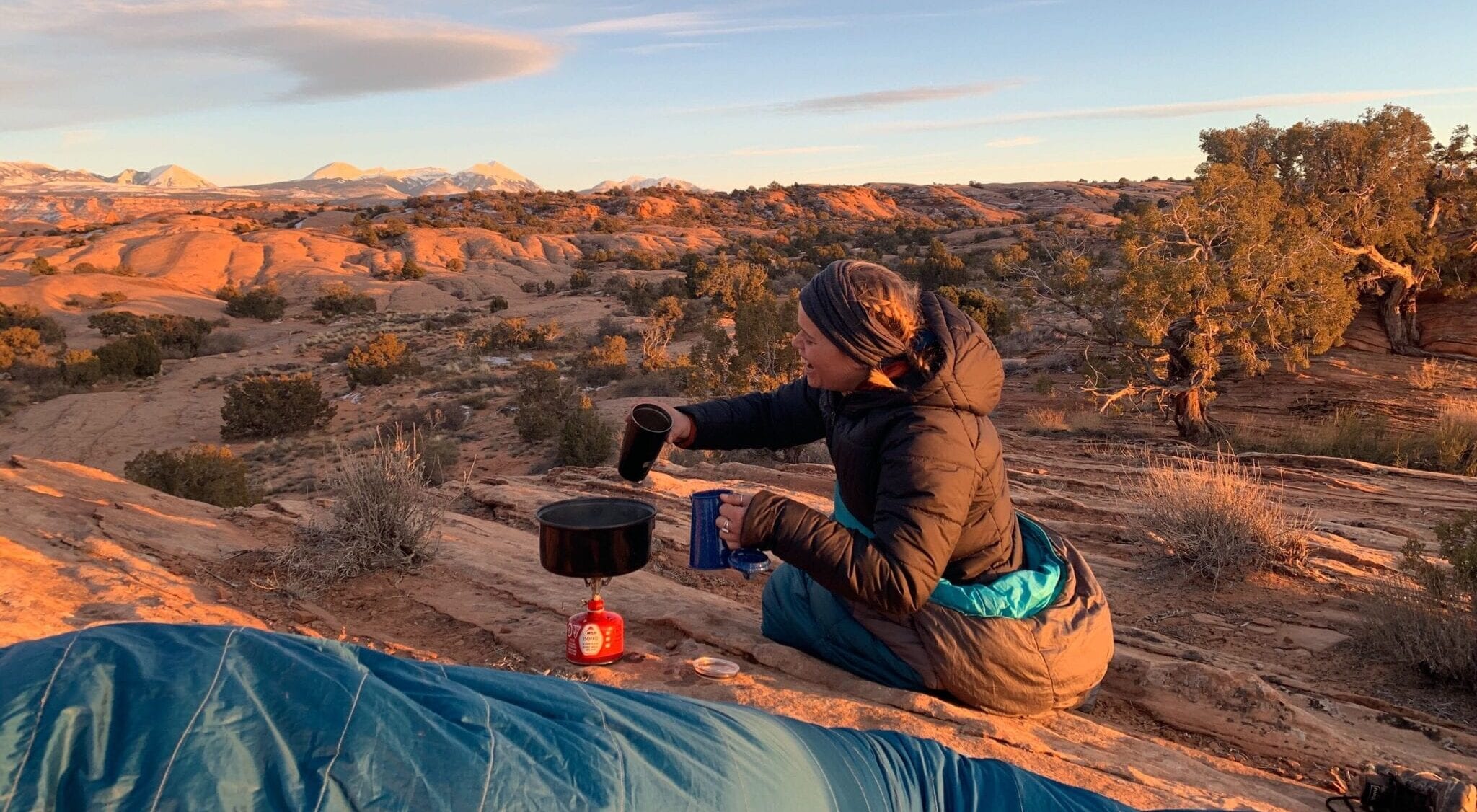
Photo provided by Kenna Sarae
The best way to make your fuel last is to follow these five simple backpacking stove tips. Doing so can potentially double the life of your fuel canister.
Paul Bodnar Educational 8/14/2020
Paul Bodnar
Educational
8/14/2020
In this test the Snow Peak Giga Power 1.0 stove was used. Performance characteristics will vary for different types of stoves but the general performance trends will be the same.

Tip #1: Use a lid when boiling water.
When boiling water without a lid, a lot of heat escapes through the top. When using a lid, the heat is more enclosed in the pot and the water temperature increases much faster. When using a lid, we saw a savings of 1.5 grams of fuel for a 2-cup water boil.

Tip #2: Avoid cooking in the wind.
Even a slight breeze will drastically reduce the efficiency of your stove. Cooking in the wind is one of the easiest ways to waste a lot of fuel. In a simulated wind test of just 1 mph it required an extra 6 grams of fuel to boil water.

Tip #3: Avoid using maximum heat while boiling water.
Using medium heat instead of the maximum heat setting saved 1 gram of fuel per 2-cup water boil.

Tip #4: Use water that has already warmed up in the sun.
Using room temperature water (71°F) instead of ice cold water (32°F) saved 1 gram of fuel per 2-cup water boil.

Tip #5: Only boil the exact amount of water you need.
Boiling an extra 1/4 cup of unneeded water could burn an extra 1.5 to 2 grams of fuel. Be sure to measure the exact amount you need.

CONCLUSION
The difference between doing everything right and everything wrong when cooking is astonishing.
Wrong: Boiling just an extra ¼ cup of water (2 1/4 cups instead of 2 cups), in windy conditions, not using a lid, using cold water (32°F) and using the maximum heat setting used a total 16 grams of fuel to bring the water to a boil.
Right: When using exactly 2 cups of water, cooking out of the wind, using a lid, using warm water (71°F), and using the medium heat setting only used a total 6 grams of fuel to bring the water to a boil.
– Practicing good stove habits can help your fuel go twice as far.

Read more!
Check out some related blog posts!
Download our popular hiking and biking guides!
Trail guides that get you to places you’ve dreamed of.
As the makers of Guthook Guides, Bikepacking Guides, and Cyclewayz, we help you navigate the most popular trails around the world on your smartphone. Our hiking guides and biking guides work completely offline. Let Guthook guide your next adventure!
Showers Lake Vista, Tahoe Rim Trail
Photo courtesy of the Tahoe Rim Trail Association
Showers Lake Vista, Tahoe Rim Trail
Photo courtesy of the Tahoe Rim Trail Association
Trail guides that get you to places you’ve dreamed of.
As the makers of Guthook Guides, Bikepacking Guides, and Cyclewayz, we help you navigate the most popular trails around the world on your smartphone. Our hiking guides and biking guides work completely offline. Let Guthook guide your next adventure!
Download our popular hiking and biking guides!
About the Author
Paul Bodnar
Paul has always liked hiking and thru-hiked the Pacific Crest Trail in 1997 after college. After years of working in chemistry, he wanted to create a career involving the outdoors, so he hiked the Pacific Crest Trail again in 2010 to do research for his guide book Pocket PCT. He realized that creating a smartphone app for navigating the outdoors would make it easier to keep the data current and provide a better way to navigate. While hiking with Ryan (aka Guthook) in 2010, they decided to work together to create the first comprehensive smartphone guide for the Pacific Crest Trail. Now with the help of a team of great people they have created over 50 guides for trails around the world.
Thru-Hiking 101: Measuring Cup Hacks
Planning an adventure? Check out our popular trail guides! 4.8 stars (17K+ ratings)
Thru-Hiking 101: Measuring Cup Hacks
Cooking a meal on the trail can be more difficult than cooking meals at home. Here are some tips and hacks to convert your cooking pot into a measuring cup.
Paul Bodnar Educational 7/29/2020
Convert your Cooking Pot into an Ultralight Measuring Cup
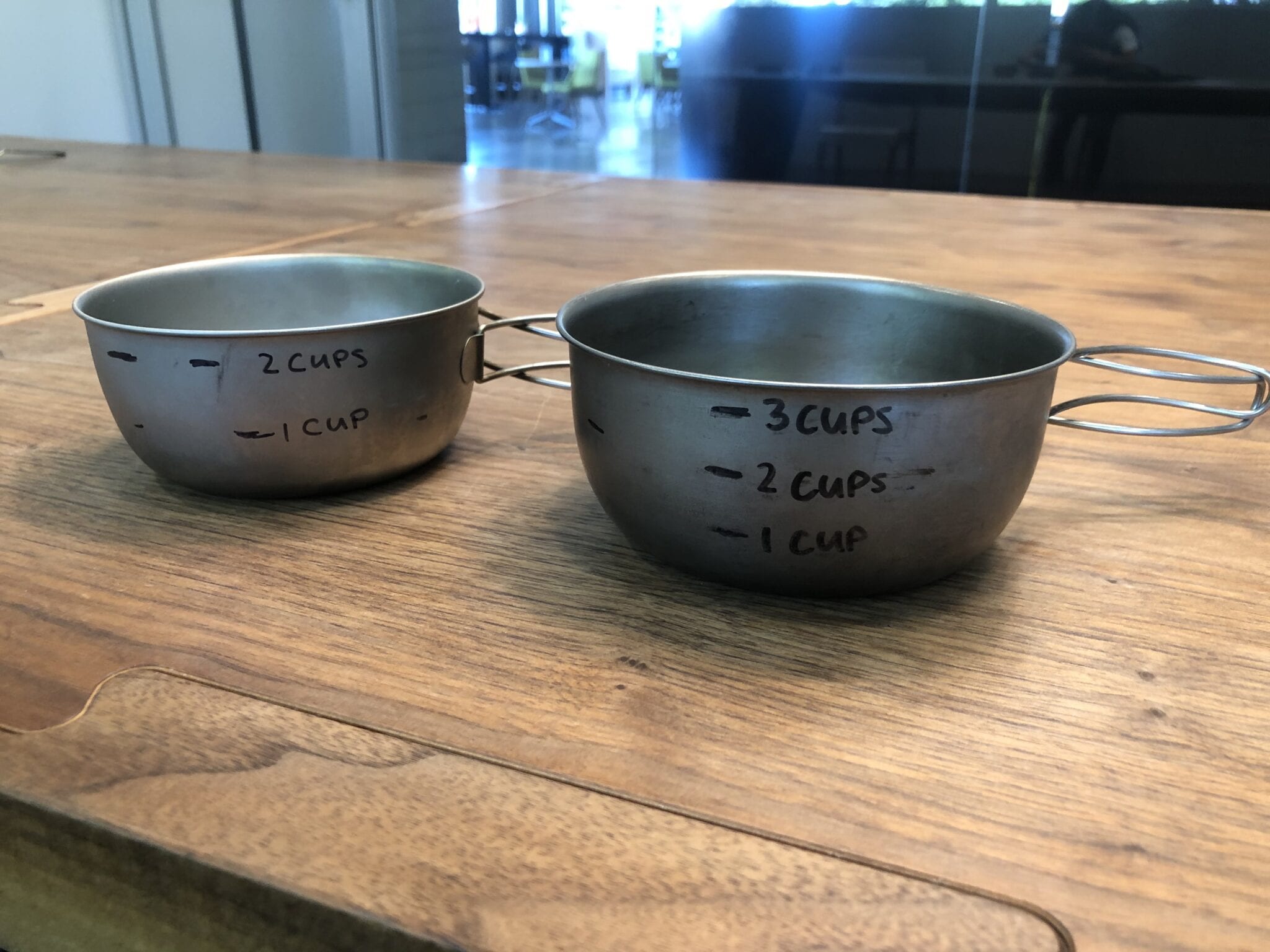
When cooking, it is important to know how much water you need for a specific recipe. But you don’t need to carry a measuring cup on the trail if you have a cooking pot. I like to mark the outside of my backpacking pot in 1 cup increments with a permanent Sharpie™ marker. This makes it easy to get about the right amount of water into the pot for cooking.
Step 1:
Use an actual measuring cup to measure 1 cup of water and pour it into your cooking pot.


Step 2:
See where 1 cup of water measures in your cooking pot and mark a line on the outside of your pot with a Sharpie marker.


Hack: Mark the Handle of Your Spoon
For more precise measurements you can mark the handle of your spoon with a Sharpie™ marker. So instead of approximating your measurement you will get an exact reading.


Mark your spoon at 1/2 cup and 1 cup

Mark your spoon at 2 cups, 3 cups, etc.

Read more!
Check out some related blog posts!
Download our popular hiking and biking guides!
Trail guides that get you to places you’ve dreamed of.
As the makers of Guthook Guides, Bikepacking Guides, and Cyclewayz, we help you navigate the most popular trails around the world on your smartphone. Our hiking guides and biking guides work completely offline. Let Guthook guide your next adventure!
Showers Lake Vista, Tahoe Rim Trail
Photo courtesy of the Tahoe Rim Trail Association
Showers Lake Vista, Tahoe Rim Trail
Photo courtesy of the Tahoe Rim Trail Association
Trail guides that get you to places you’ve dreamed of.
As the makers of Guthook Guides, Bikepacking Guides, and Cyclewayz, we help you navigate the most popular trails around the world on your smartphone. Our hiking guides and biking guides work completely offline. Let Guthook guide your next adventure!
Download our popular hiking and biking guides!
About the Authors
Paul Bodnar
Paul has always liked hiking and thru-hiked the Pacific Crest Trail in 1997 after college. After years of working in chemistry, he wanted to create a career involving the outdoors, so he hiked the Pacific Crest Trail again in 2010 to do research for his guide book Pocket PCT. He realized that creating a smartphone app for navigating the outdoors would make it easier to keep the data current and provide a better way to navigate. While hiking with Ryan (aka Guthook) in 2010, they decided to work together to create the first comprehensive smartphone guide for the Pacific Crest Trail. Now with the help of a team of great people they have created over 50 guides for trails around the world.

Thru-hiking 101: Warehouse vs Retail Food Prices
Planning an adventure? Check out our popular trail guides! 4.8 stars (17K+ ratings)
Thru-hiking 101: Warehouse vs Retail Food Prices
When it comes to purchasing backpacking food, taking advantage of warehouse stores like Costco or Sams Club can save time and money. Here are some useful tips to help you shop smart for your hiking food.
Paul Bodnar Educational 7/16/2020
Managing the cost of hiking food while thru-hiking can be complicated, especially when planning large quantities of resupplies in advance. Taking advantage of warehouse store prices and quantities can save considerable time, money, and headache, but likely can’t be your only source for groceries.


A typical warehouse store (i.e. Costco) is around 145,000 square feet and stocks around 4,000 different items. A typical grocery store (i.e. Safeway) is around 46,000 square feet and stocks around 40,000 different items. This means that a typical grocery store may have up to 10 times more variety than a warehouse store, and won’t require walking around as much. As such, it is easier to find exactly what you want at a grocery store than at a warehouse store.
Warehouse stores are great for stocking up on basic bulk items to save money but shouldn’t be considered the only place to shop for backpacking food. Also shopping at a grocery store will help to add variety to your diet. Varying your planned food greatly increases the likelihood you will enjoy your food on your long-distance backpacking trip (the importance of which cannot be understated).
The average savings at a warehouse store is 39%.
I compared the prices of some common backpacking food at warehouse and grocery stores, and the average cost savings was 39% (when comparing cost per serving). This is primarily because items in warehouse stores are either larger in volume or required multiple individual container purchases.


Pros of Warehouse Shopping
- Up to 50% savings over grocery store prices
Cons of Warehouse Shopping
- Requires an annual membership which typically cost $60 a year
- Most food requires repackaging which costs time and money
- Limited “backpacking type” food (i.e. smaller variety of options)
- Items must be purchased in bulk quantities, sometimes making it difficult to purchase the exact amount you need
- Can lead to more waste as food is more likely to expire before consumed
- More likely to purchase less variety of food, which can lead to getting sick of the food on trail
- Things are not as easy to find in warehouses


Recommendations
I recommend only shopping at warehouse stores after you have identified trail foods that you like — it’s definitely not cost effective to experiment with a new flavor of Nutella when you have to buy 5 pounds of it. I only use warehouses to stock up on items I know I like, eat a lot, and that provide the greatest cost savings.
Warehouse Shopping Tips:
Most warehouses allow you to shop with a member. If you already know a member, ask if you can tag along on their next trip and look around at your options before committing to a membership yourself!
Read more!
Check out some related blog posts!
Download our popular hiking and biking guides!
Trail guides that get you to places you’ve dreamed of.
As the makers of Guthook Guides, Bikepacking Guides, and Cyclewayz, we help you navigate the most popular trails around the world on your smartphone. Our hiking guides and biking guides work completely offline. Let Guthook guide your next adventure!
Showers Lake Vista, Tahoe Rim Trail
Photo courtesy of the Tahoe Rim Trail Association
Showers Lake Vista, Tahoe Rim Trail
Photo courtesy of the Tahoe Rim Trail Association
Trail guides that get you to places you’ve dreamed of.
As the makers of Guthook Guides, Bikepacking Guides, and Cyclewayz, we help you navigate the most popular trails around the world on your smartphone. Our hiking guides and biking guides work completely offline. Let Guthook guide your next adventure!
Download our popular hiking and biking guides!
About the Author
Paul Bodnar
Paul has always liked hiking and thru-hiked the Pacific Crest Trail in 1997 after college. After years of working in chemistry, he wanted to create a career involving the outdoors, so he hiked the Pacific Crest Trail again in 2010 to do research for his guide book Pocket PCT. He realized that creating a smartphone app for navigating the outdoors would make it easier to keep the data current and provide a better way to navigate. While hiking with Ryan (aka Guthook) in 2010, they decided to work together to create the first comprehensive smartphone guide for the Pacific Crest Trail. Now with the help of a team of great people they have created over 50 guides for trails around the world.